From rotator cuff tears to plantar fasciitis: What conditions can focused shockwave therapy treat
By Jared Croskey • September 26, 2026

Think shockwave therapy is just for heel pain or plantar fasciitis? Think again. When chronic tendon stiffness, joint pain, or stubborn muscle strains linger despite weeks of rest and icing, the underlying issue isn't a lack of downtime. Damaged tissue remains stuck in a dormant loop where natural healing stops.
Understanding why traditional rest fails for chronic tissue damage and exploring how non-invasive acoustic technology repairs eight major body zones reveals how to reignite stalled biological healing without surgery or injections. For active adults seeking specialized "shockwave therapy services near me," advanced acoustic wave care offers a clear path to conquer chronic pain and return to peak athletic performance.
TL;DR
- Focused shockwave therapy delivers high-energy acoustic pulses deep into damaged muscle, tendon, and ligament tissue without irritating surface skin.
- Powered by the clinical-grade Storz Duolith system, this technology treats stubborn conditions across eight primary anatomical zones, from rotator cuff tears to plantar fasciitis.
- Acoustic waves trigger cellular mechanotransduction, breaking up calcifications, accelerating collagen production, and stimulating neovascularization.
- Integrated alongside Active Release Techniques (ART), dry needling, Graston, and sports rehab to address root-cause movement mechanics without injections or surgery.
Understanding how acoustic waves repair stubborn tissue

Soft tissue injuries move through predictable biological stages of healing: acute inflammation, cell proliferation, and structural remodeling. When an injury becomes chronic, such as long-standing Achilles tendonitis, tennis elbow, or rotator cuff tendinopathy, the tissue gets stuck in a stalled, degenerative loop known as tendinosis. During this phase, the body stops sending fresh blood flow and vital healing factors to the site, replacing healthy, elastic Type I collagen with weak, disorganized Type III collagen and stiff scar tissue.
Extracorporeal shockwave therapy (ESWT) uses acoustic pressure pulses to reactivate the body's natural healing cascade. Unlike electrical stimulation or passive heat therapy, acoustic waves create localized mechanical pressure deep within affected tissues. In medical literature, this process is known as "mechanotransduction."
This mechanical pressure signals cell receptors to activate several key repair processes:
- Neovascularization occurs as shockwaves stimulate the expression of vascular endothelial growth factor (VEGF), spurring new capillary formation to restore vital nutrient supply and oxygenation to oxygen-deprived (ischemic) tissue.
- Collagen remodeling signals tenocytes and fibroblasts to synthesize fresh, parallel Type I collagen fibers, transforming brittle scar tissue back into flexible, functional muscle and tendon.
- Pain receptor desensitization reduces local concentrations of Substance P, a neurotransmitter responsible for transmitting chronic pain signals to the brain, while hyper-stimulating nerve fibers to dull pain perception immediately.
- Dissolution of calcifications disrupts micro-calcifications and acoustic density mismatches in chronically inflamed tendons, allowing surrounding lymphatic tissue to absorb debris naturally over subsequent weeks.
- Lubricin expression stimulates the secretion of lubricin in tendon sheaths and joint capsules, reducing internal friction during repetitive gliding movements.
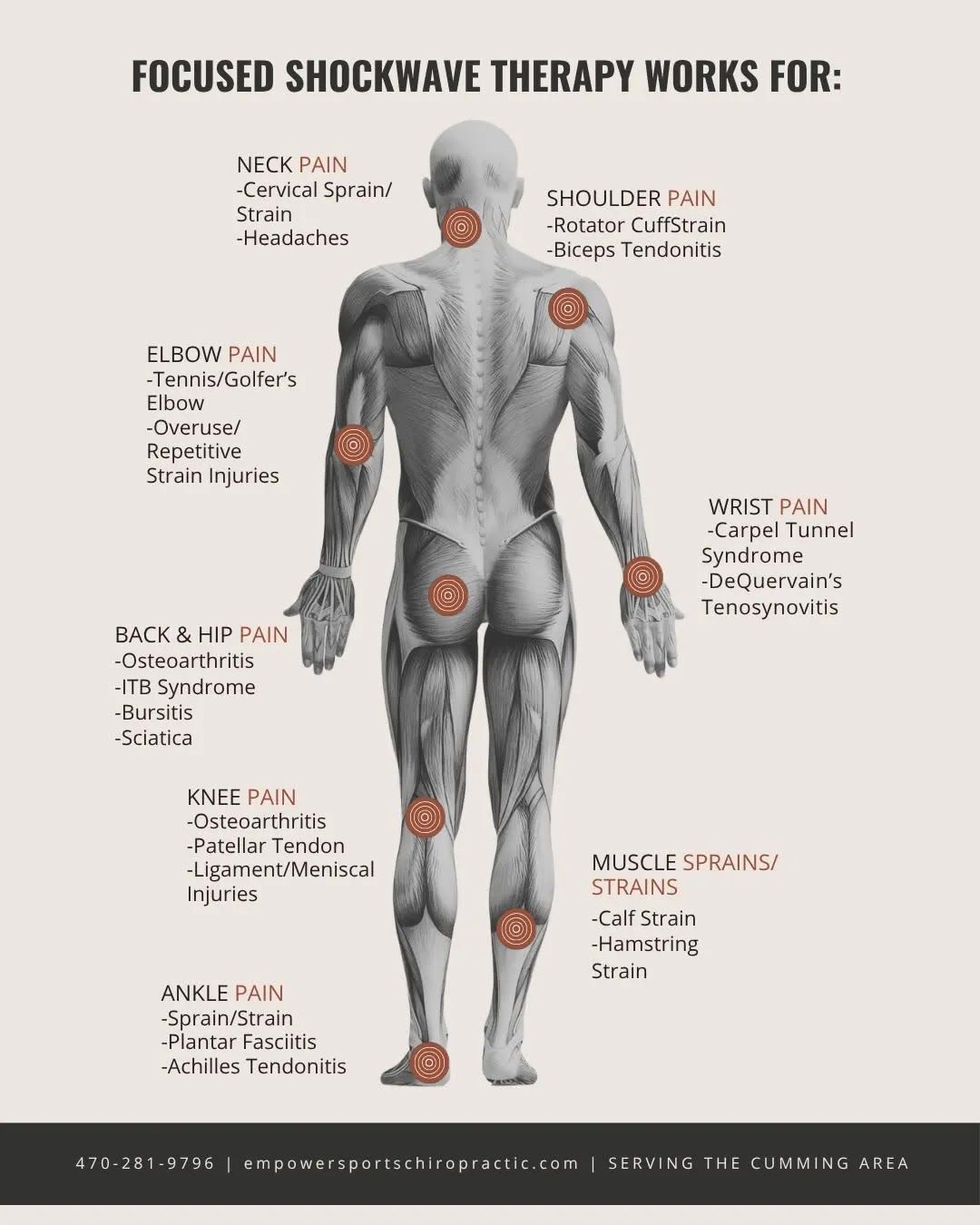
Conditions treated across eight anatomical zones

Upper extremity conditions
Neck pain and cervicogenic headaches
Repetitive desk work, posture stress, or athletic impact trauma can cause chronic strain in the upper trapezius, suboccipital, and levator scapulae muscles. Focused shockwaves relax tight muscle trigger points and relieve localized nerve entrapment that contributes to tension headaches and neck stiffness during daily rotation.
Shoulder pain and rotator cuff injuries
Rotator cuff tendinopathy, biceps tendinitis, subacromial bursitis, and calcific tendinitis frequently limit overhead reaching and sleep quality. Focused acoustic waves penetrate deep into the supraspinatus tendon insertion and subacromial space, breaking down degenerative tissue without damaging delicate surrounding shoulder cartilage or joint capsules.
Elbow tendonitis (tennis and golfer's elbow)
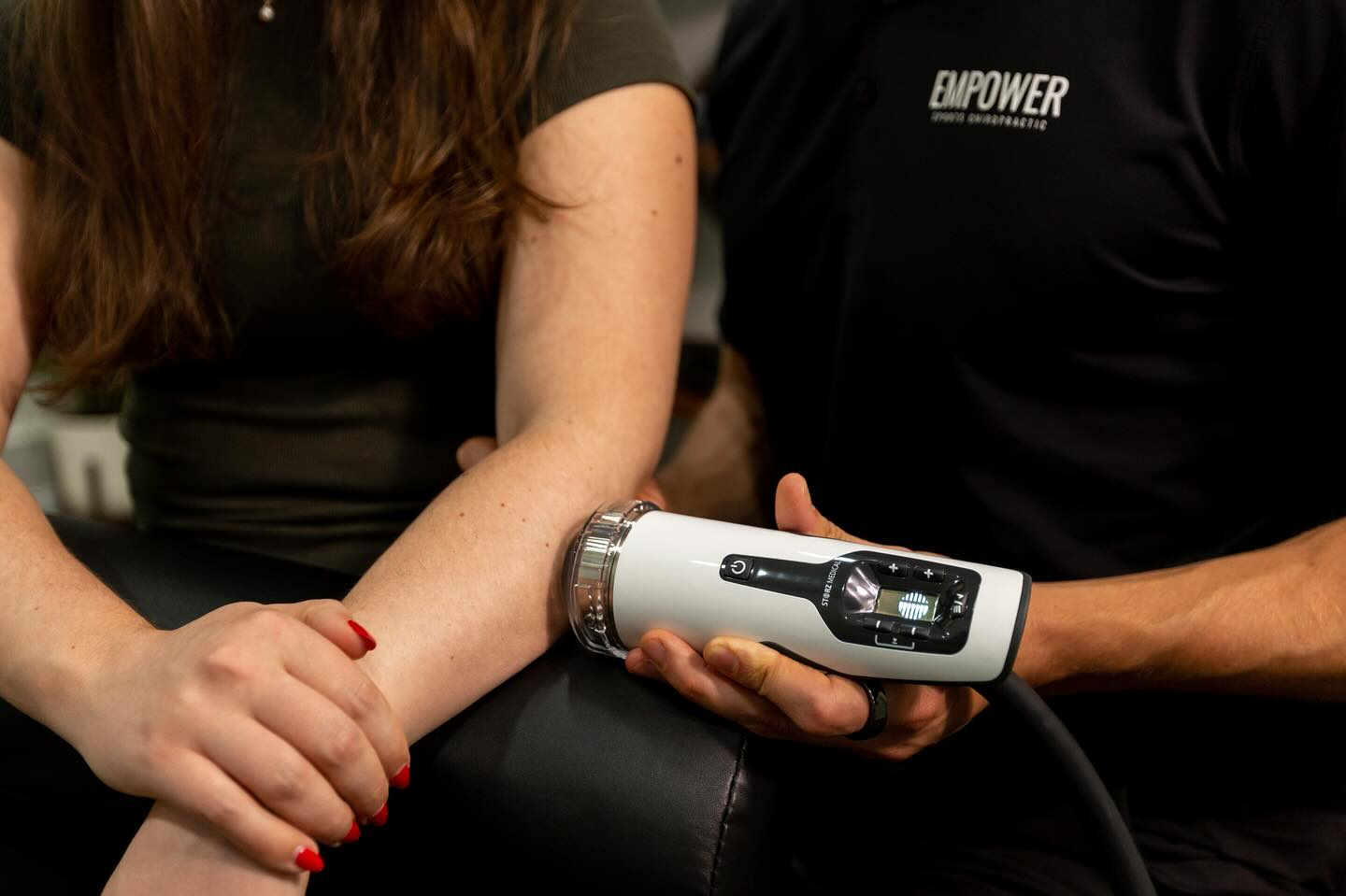
Lateral epicondylitis (tennis elbow) and medial epicondylitis (golfer's elbow) result from repetitive forearm extension or flexor strain, creating sharp pain when gripping objects or opening doors. Focused shockwave application delivers precise micro-trauma directly to the origin of the extensor or flexor tendon, stimulating stubborn elbow tendons to rebuild stronger, parallel fibers.
Wrist and hand pain
De Quervain's tenosynovitis and carpal tunnel syndrome create burning pain, swelling, and weakness in the thumb, wrist, and fingers. Targeted acoustic waves reduce inflammation and thickening within the flexor retinaculum and tendon sheaths (abductor pollicis longus and extensor pollicis brevis), restoring smooth nerve gliding and functional grip strength.
Lower extremity and spinal conditions
Back, hip, low back, and sciatic nerve pain
Greater trochanteric hip bursitis, iliotibial (IT) band friction syndrome, gluteal tendinopathy, and low back discomfort frequently mimic or aggravate lumbar spine pain. Focused shockwave therapy reaches deep hip rotators and gluteal tendon insertions, lowering local tissue tension around the sciatic nerve path (when clinically appropriate). Clinical guidance highlights shockwave therapy as an effective conservative option for recalcitrant hip and pelvic tendinopathies that fail to respond to standard physical therapy.
Knee pain and patellar tendinopathy
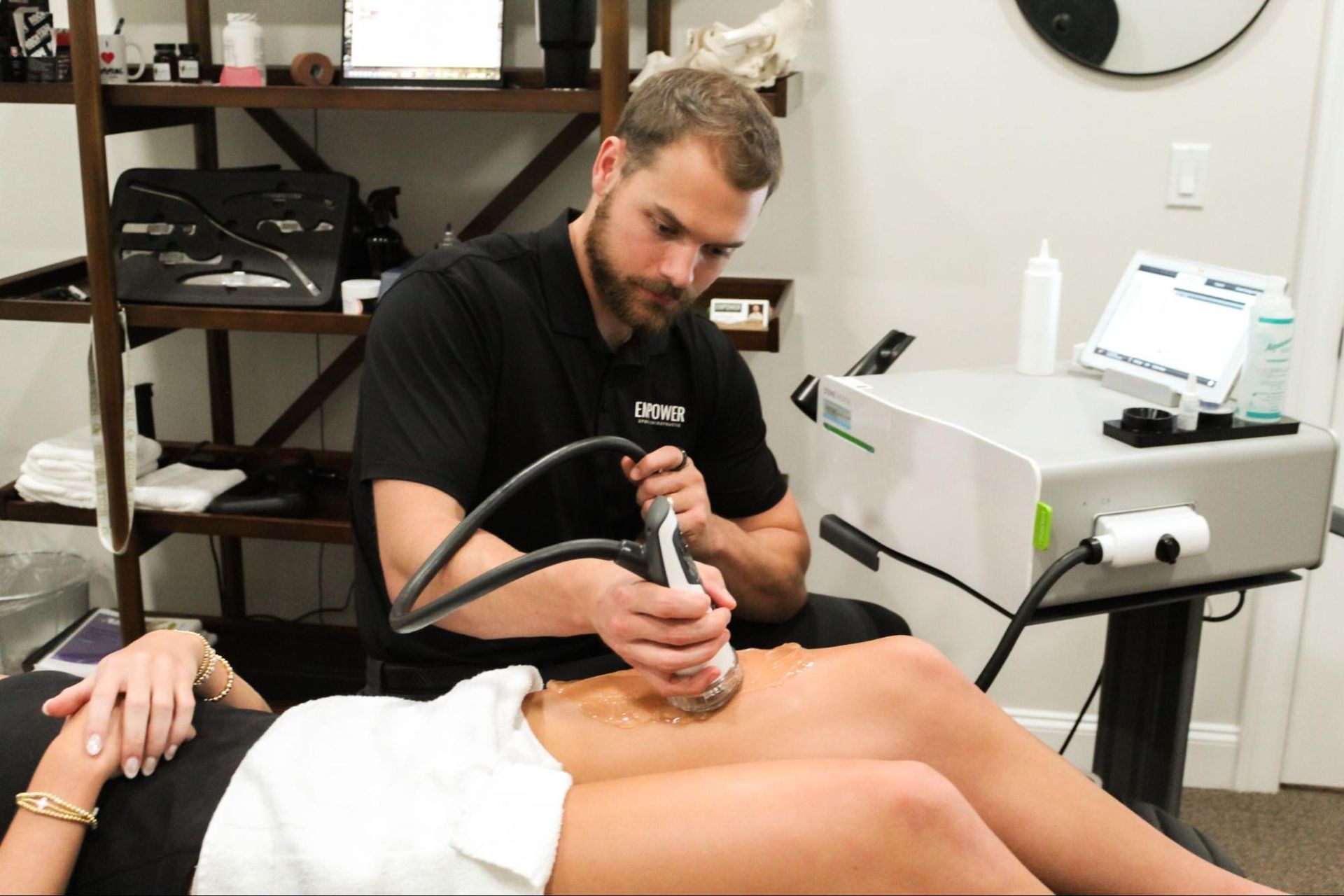
Jumpers, runners, squatters, and lifters frequently experience patellar tendinopathy (jumper's knee), osteoarthritis, or chronic anterior knee joint degeneration. Focused shockwaves stimulate deep patellar tendon fibers, quad tendon insertions, and surrounding retinaculum tissue, significantly reducing joint stiffness during squatting, jumping, or descending stairs.
Ankle, foot, and Achilles tendon pain
Plantar fasciitis and Achilles tendinopathy are among the most thoroughly researched clinical applications for focused shockwaves. Clinical trials indexed by the National Institutes of Health demonstrate significant pain reduction and functional loading improvements in patients with chronic plantar fasciopathy after just 3 weeks of shockwave sessions.
Deep muscle sprains and strains
Calf strains, hamstring micro-tears, and adductor strains can leave behind dense myofascial scar tissue that pulls on adjacent joints during high-speed running. Focused shockwaves soften dense fibrous adhesions, allowing muscle bellies to lengthen fully without re-tearing during explosive movements.
Anatomical treatment overview matrix
| Anatomical Zone | Common Diagnoses Treated | Primary Treatment Target | Expected Clinical Benefit |
|---|---|---|---|
| Neck & Head | Cervical strain, cervicogenic headaches | Upper trapezius & suboccipitals | Reduced muscle guarding, improved head rotation |
| Shoulder | Rotator cuff tendinopathy, biceps tendinitis | Supraspinatus tendon & bursa | Pain-free overhead reaching and lifting |
| Elbow | Tennis elbow, golfer's elbow | Extensor/flexor tendon origins | Restored grip strength and wrist extension |
| Wrist & Hand | Carpal tunnel syndrome, De Quervain's | Abductor pollicis / extensor pollicis brevis & flexor retinaculum | Decreased tingling, restored thumb mobility |
| Back & Hip | Hip bursitis, IT band syndrome, gluteal tendinopathy, low back pain, sciatica | Gluteus medius, trochanteric bursa & lumbar myofascia | Smooth walking stride, pain-free sleep on side |
| Knee | Patellar tendinopathy, knee osteoarthritis | Patellar tendon & periarticular tissue | Reduced stiffness when climbing stairs |
| Ankle & Foot | Plantar fasciitis, Achilles tendinopathy | Plantar fascia insertion & calcaneus | Pain-free first steps in the morning |
| Muscular | Calf strains, hamstring tears | Myofascial junction & scar tissue | Full stride length without pulling sensations |
Differences between focused and radial shockwave therapy

Not all shockwave devices are built the same way. Understanding the technical distinction between focused and radial shockwaves ensures you receive the correct modality for your specific depth of injury.
Radial shockwave therapy generates energy mechanically using a pneumatically driven applicator. Energy spreads outward and dissipates rapidly near the skin surface, making it effective primarily for widespread, superficial muscle tightness or shallow trigger points.
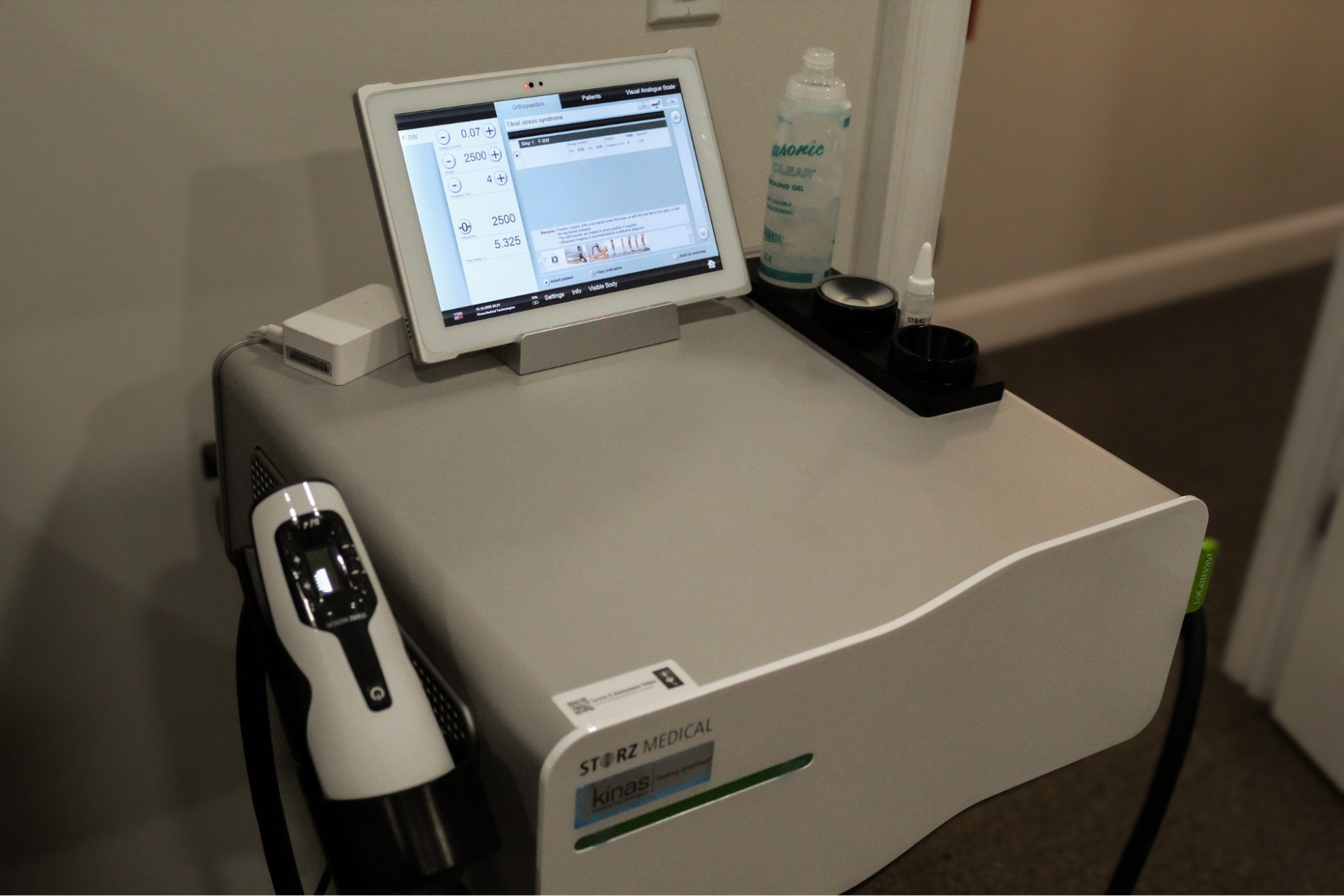
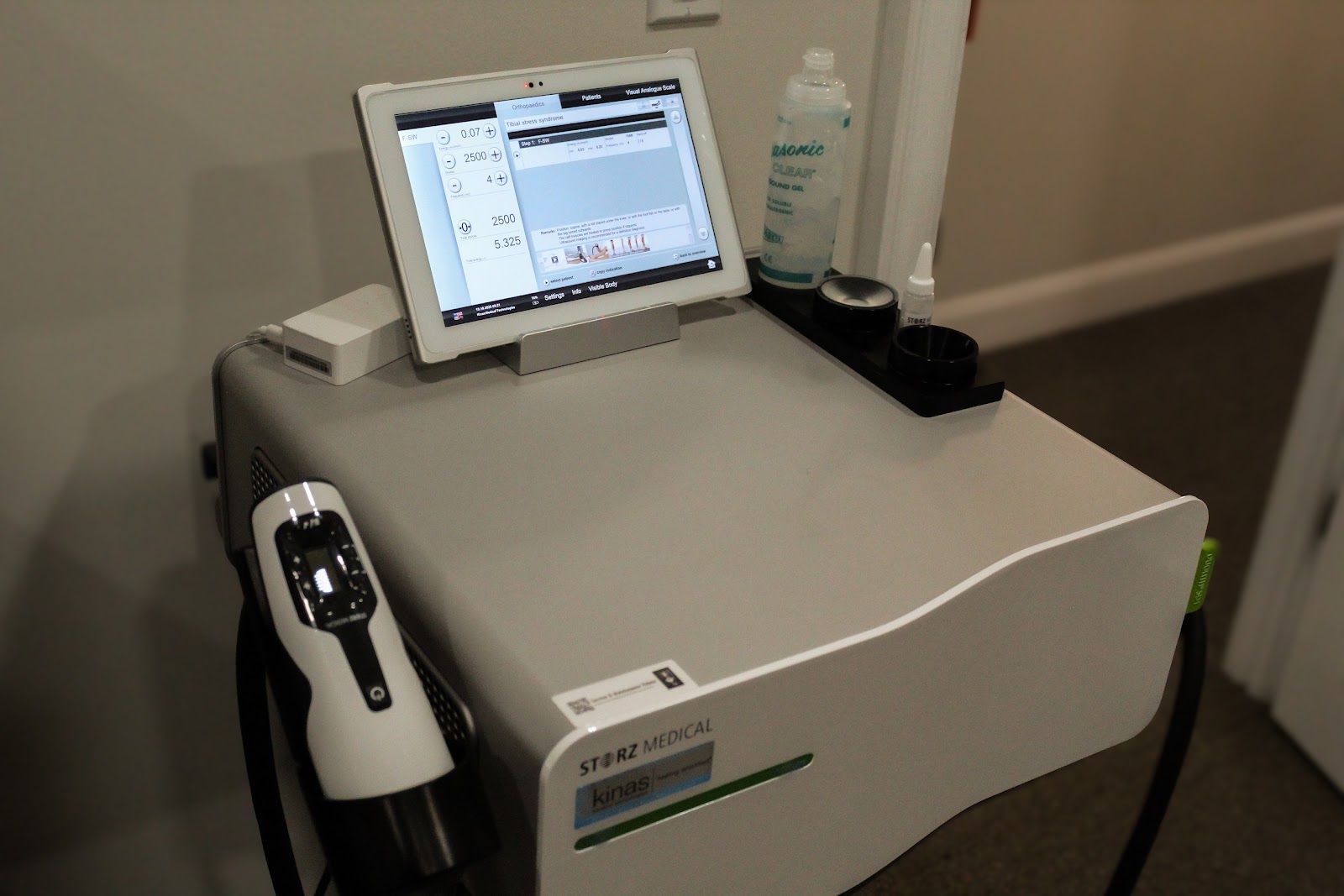
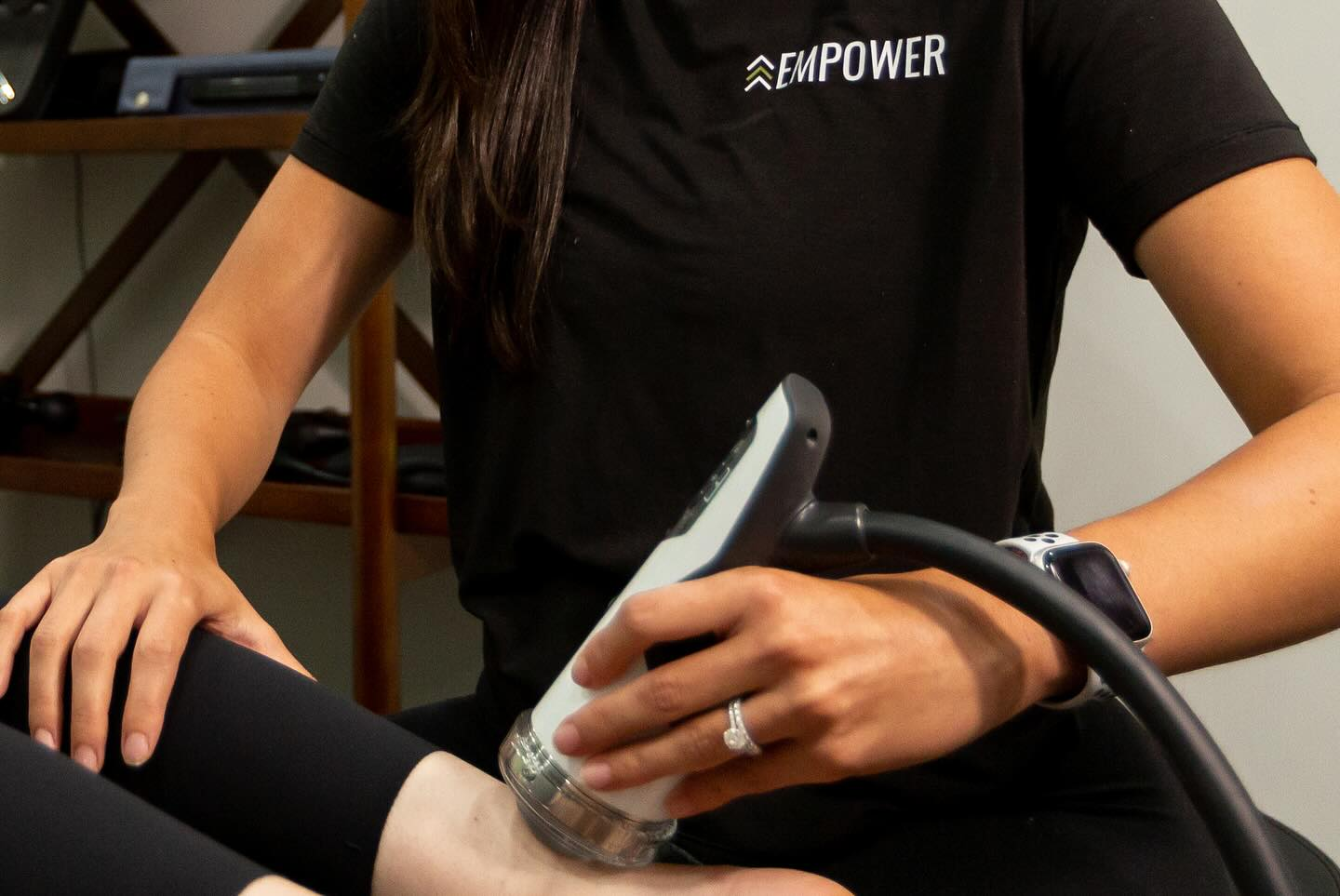
Focused shockwave therapy generates high-amplitude acoustic energy using electromagnetic or piezoelectric technology. At Empower Sports Chiropractic, we utilize the industry-leading Storz Duolith focused shockwave system. The energy passes harmlessly through superficial skin layers and converges at a precise, adjustable target point deep within joint capsules, ligaments, or thick tendon insertions.
During your initial biomechanical evaluation, we determine whether focused shockwave therapy modalities or a combined soft tissue approach will yield the fastest functional recovery.
What to expect during your shockwave treatment session

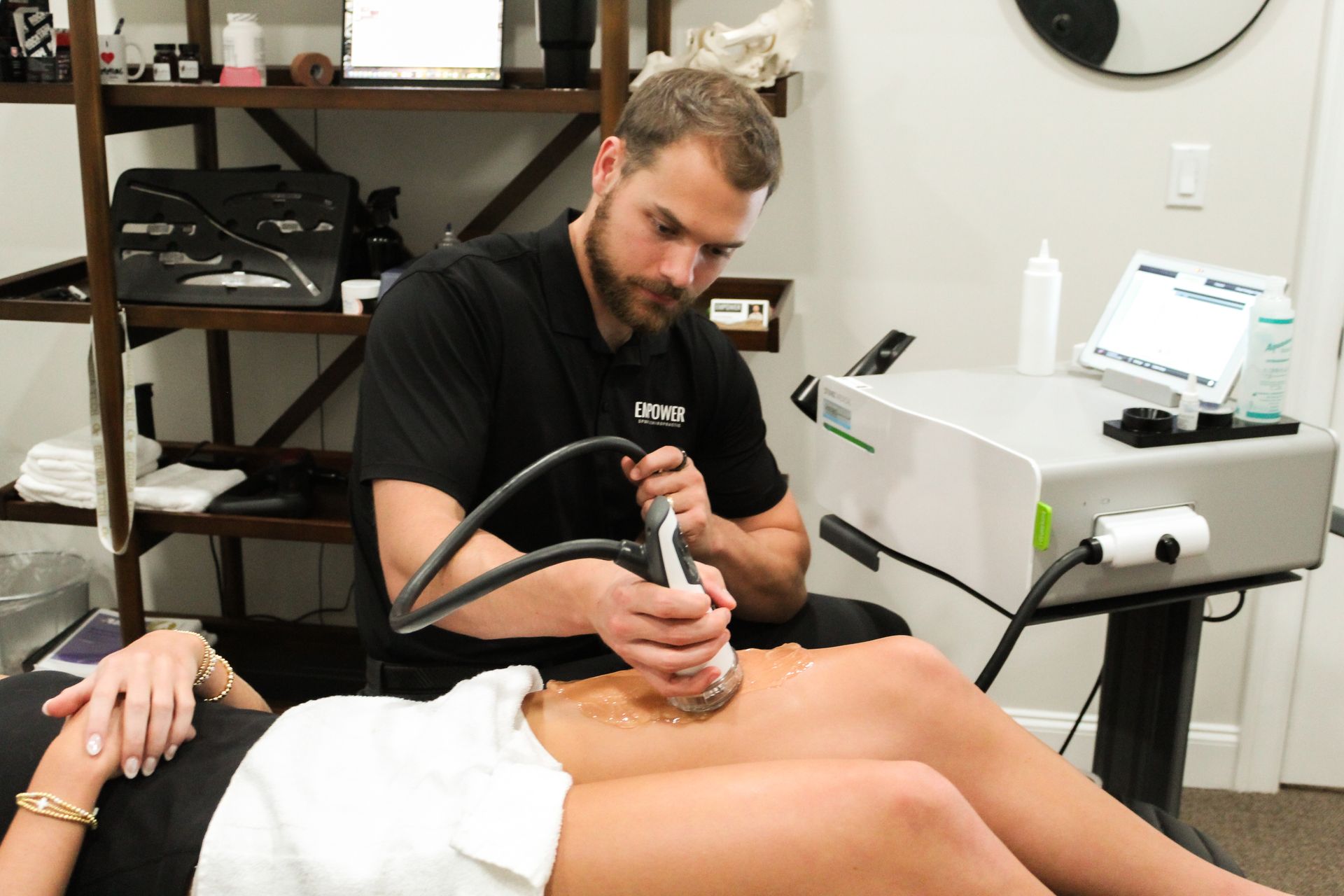
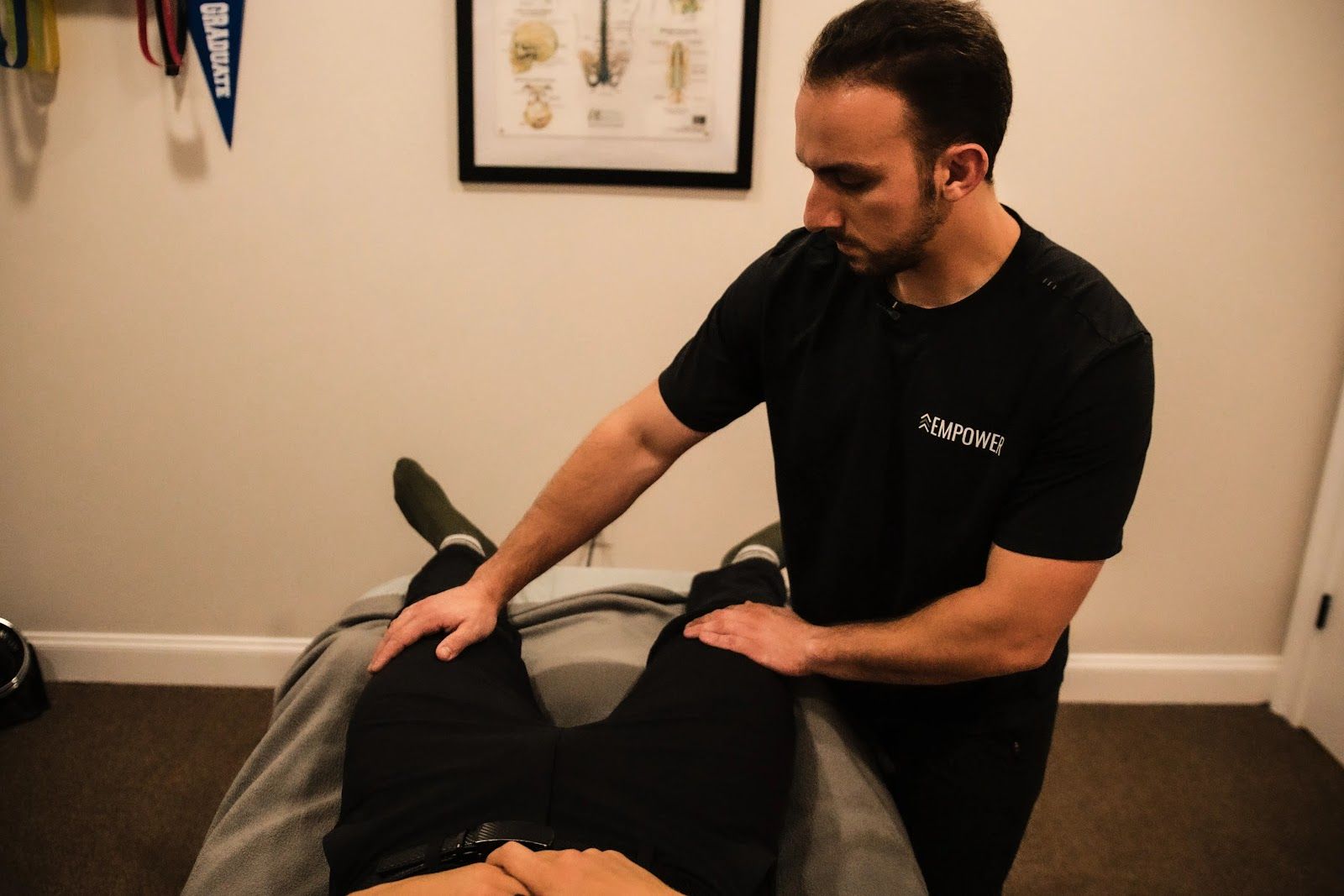
At Empower Sports Chiropractic, focused shockwave therapy is never applied as a passive, stand-alone gimmick. We combine the Storz Duolith system alongside Active Release Techniques (ART), dry needling, Graston instrument-assisted soft tissue mobilization, sports massage, targeted chiropractic adjustments, and personalized rehabilitation exercises. This comprehensive care model addresses the root cause of your movement restrictions rather than simply masking symptoms.
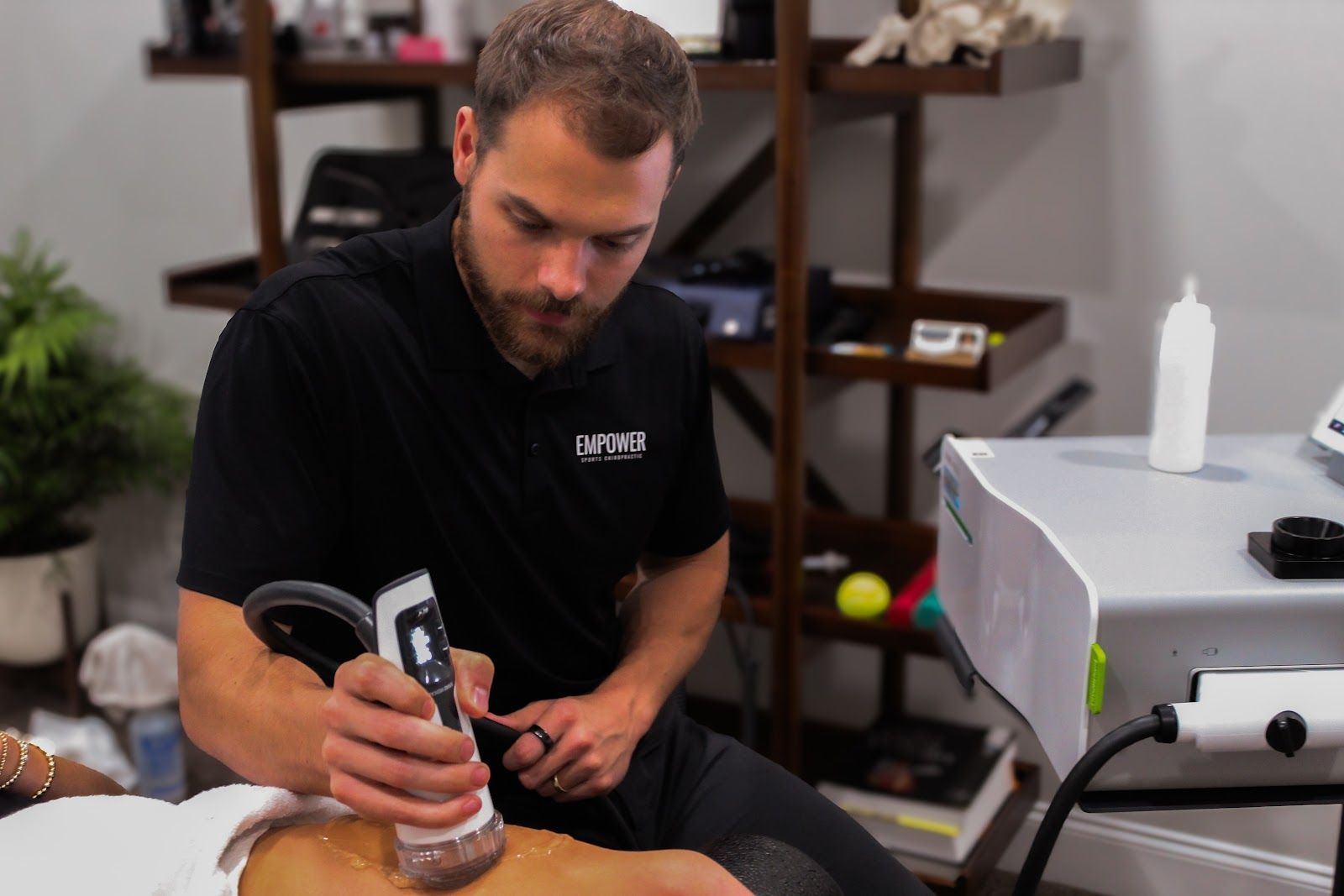
First, we locate the precise area of maximum tenderness and tissue alteration using manual palpation and functional movement testing. Next, a clear ultrasound coupling gel is applied to your skin to ensure smooth, loss-free transmission of acoustic waves into target tissues.
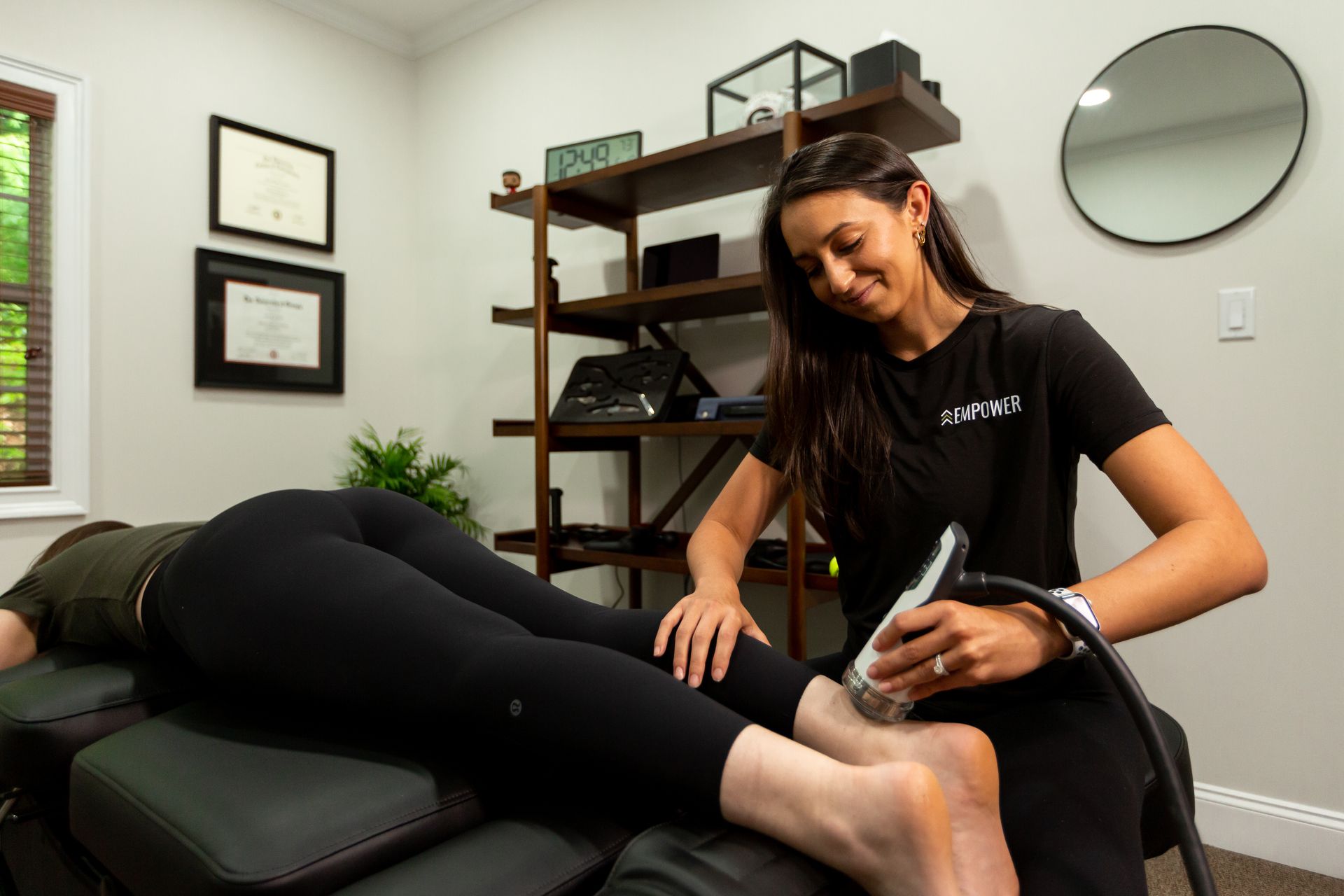
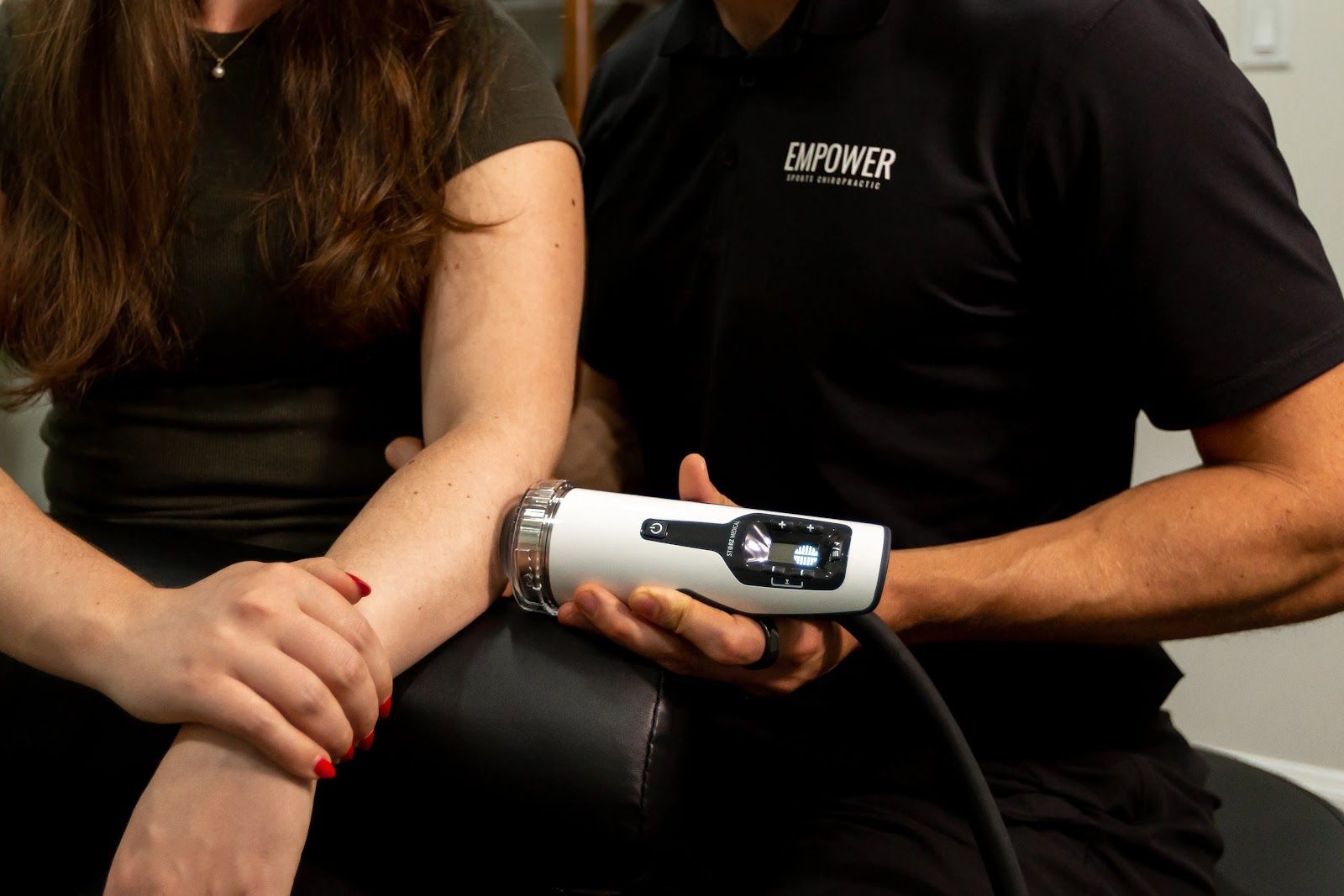
During treatment, the specialized Storz Duolith applicator head is placed gently against the target area. You will hear a steady pulsing sound and feel a deep, localized tapping sensation as acoustic waves reach the damaged tissue. Individual treatment sessions last between 5 to 10 minutes per anatomical zone, and most patients notice an immediate improvement in range of motion right after their visit.
Typical treatment frequency and recovery protocol
A standard care plan typically consists of 3 to 6 treatments scheduled once every 5 to 7 days. This spacing gives your body sufficient time to carry out the biological vascularization and collagen synthesis triggered by each session. Resume light daily activities immediately after care. Because shockwaves trigger an active healing response, don't take anti-inflammatory medications (like ibuprofen) right after care, as this blunts your body's natural rebuilding signals.
Take the next step toward pain-free movement

If you've been dealing with stubborn pain that just won't go away, focused shockwave therapy may be the missing piece in your recovery plan. Chronic tendonitis, persistent muscle strains, and stiff joints don't have to dictate your active lifestyle or keep you on the sidelines.
Schedule your clinical evaluation at Empower Sports Chiropractic today to discover how focused acoustic wave technology can help you move without pain.
Author bio

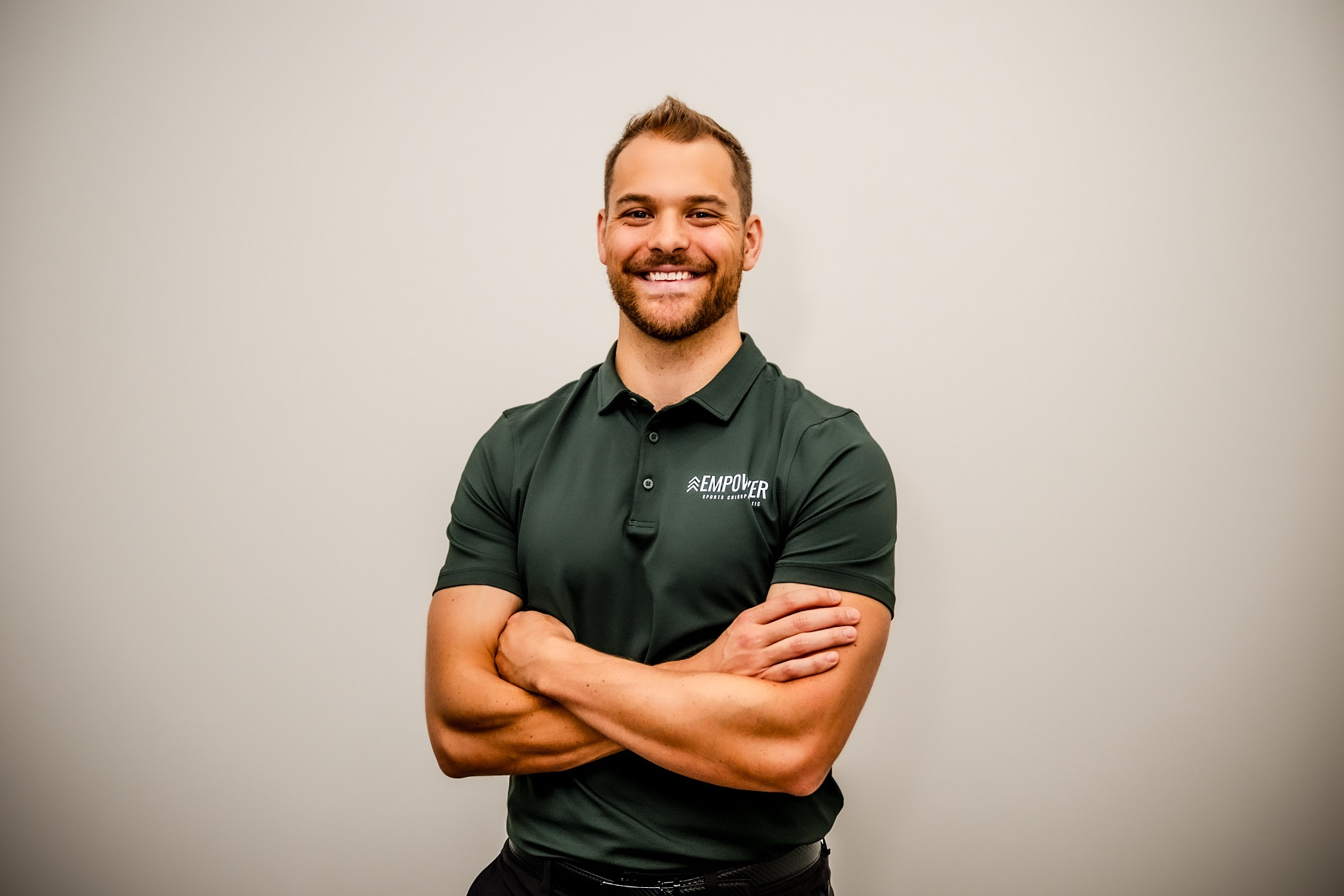
Dr. Jared Croskey, DC, is the founder and lead clinical director at Empower Sports Chiropractic. As a former Georgia Tech Football Team Chiropractor, Dr. Croskey specializes in sports injury rehabilitation, biomechanical movement analysis, and advanced soft tissue therapies, including Active Release Technique (ART), Graston, dry needling, and Storz Duolith focused shockwave therapy. He is dedicated to helping athletes, runners, and active individuals in the North Georgia community recover from root-cause injuries and achieve peak physical performance.
Get Back in the Game, Pain-Free
Recover faster and move better with expert sports chiropractic care.
Pro Tips for Athletes & Active Lifestyles
Stay ahead with chiropractic insights, recovery strategies, and performance hacks.
Contact Us
We will get back to you as soon as possible.
Please try again later.
SHARE THIS