What Actually Happens During a Shockwave Therapy Session (And Why Most People Are Surprised)
By Jared Croskey • April 13, 2026
If you're an athlete or active adult dealing with a tendon injury that has stalled your training, kept you off the field, or limited you to a version of your sport you barely recognize, you've probably heard about shockwave therapy at some point. A sports medicine doctor mentioned it. A training partner who dealt with the same problem swore by it.
So you searched for it. And you found a lot of pages explaining that shockwave therapy is "innovative" and "non-invasive" and "clinically proven," without telling you what it's actually like to sit through a session, whether it's going to hurt, or how realistic it is to expect results from something that sounds, frankly, a little dramatic.
This is the article that those other pages aren't writing. At
Empower Sports Chiropractic, shockwave is offered as SoftWave therapy using the Storz Duolith system. Here is a complete walkthrough of what a session actually involves.
TL;DR — 7 Evidence-Based Ways Shockwave Therapy Helps Athletes Recover Faster and Perform Better
- SoftWave therapy delivers acoustic pressure waves into soft tissue to restart stalled healing. The mechanism is mechanical, not electrical or thermal.
- Best results: chronic tendinopathy, plantar fasciitis, calcific shoulder, and tennis elbow. These are injuries that have plateaued on standard care.
- Sessions run 15–30 minutes total. You'll feel rhythmic pressure, not sharp pain. Some areas are more sensitive than others.
- Expect mild soreness for 24–48 hours after each session. That's the process working, not something going wrong.
- Most protocols: 3–6 sessions, 5–7 days apart; noticeable changes usually between sessions 2 and 3.
- Avoid NSAIDs 48 hours before each session. They suppress the exact response the treatment is designed to trigger.
The Science Behind SoftWave Therapy — What It Actually Does in the Tissue
SoftWave therapy generates high-energy acoustic waves and delivers them through the skin to a targeted zone of soft tissue. The term "shockwave" describes the pressure wave profile itself: a rapid increase in pressure followed by a negative phase, not anything electrical or thermal. The tissue isn't being heated or run through with electrical current. It's a mechanical intervention with a distinct biological mechanism.
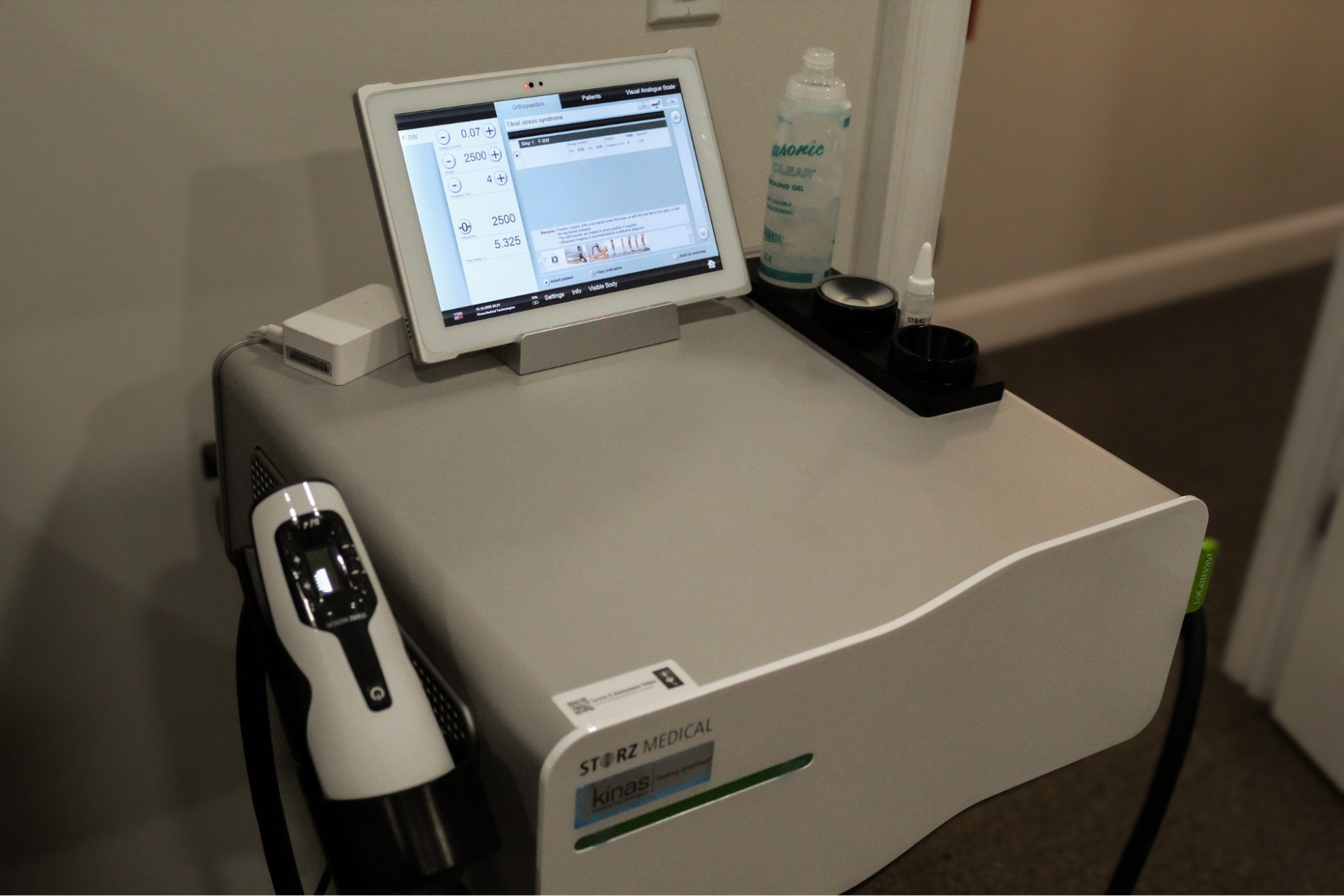
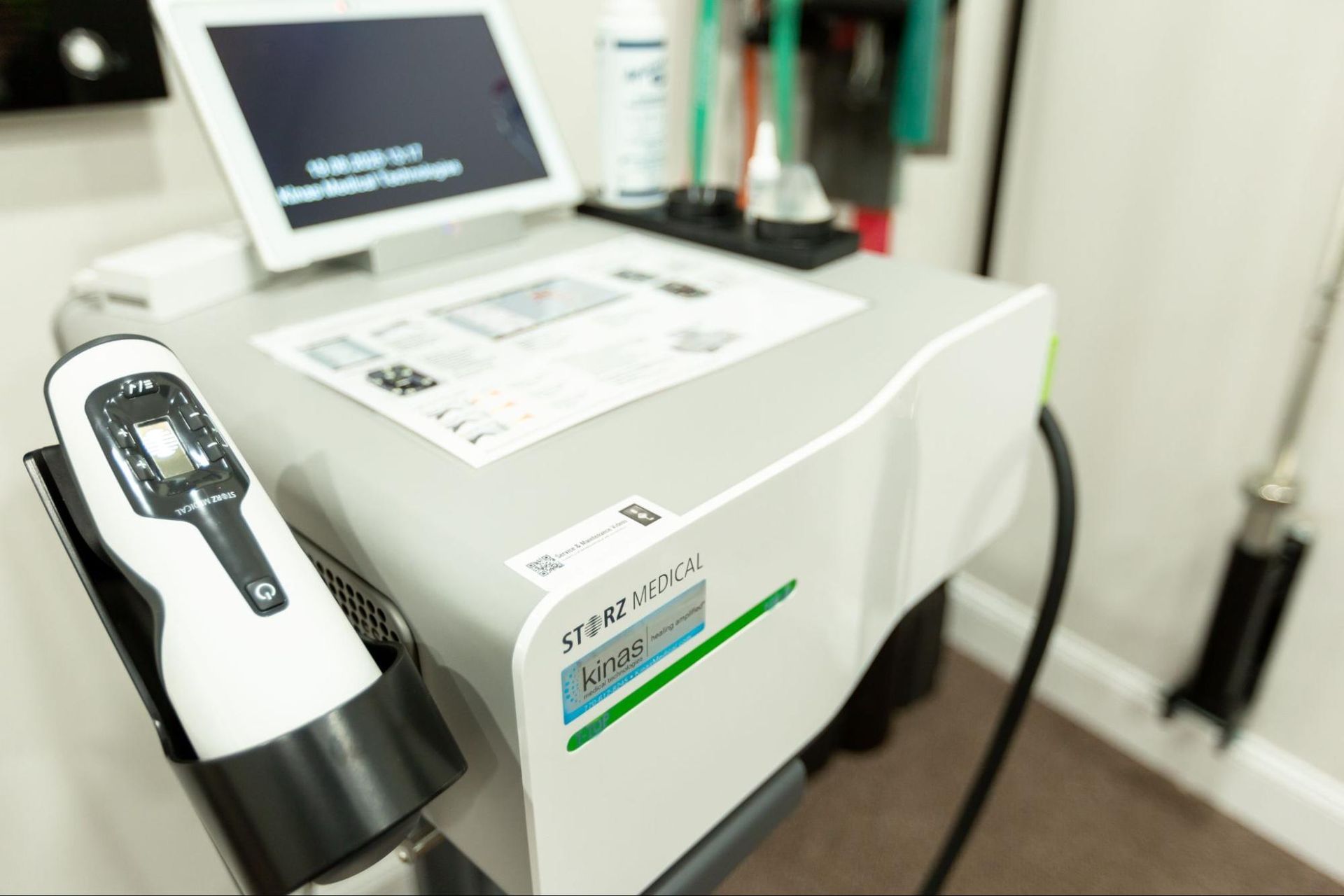
At Empower Sports Chiropractic, SoftWave therapy is delivered via the Storz Duolith — Swiss-engineered equipment with two distinct therapy modes. Radial waves treat broader soft tissue zones. Focused waves target precise, deep-tissue areas. The system reaches tissue up to 5.5 inches beneath the skin's surface, which matters clinically for deeper structures like the Achilles insertion, rotator cuff, or hip abductors, where many other devices fall short.
When delivered to a chronically injured area (a degenerated tendon, calcified insertion point, or irritated fascia), the mechanical stimulus triggers a cascade of biological activity: increased local blood flow, fibroblast activation, collagen synthesis, and breakdown of calcific deposits where those are present.
The reason this matters for chronic injuries specifically is that chronic soft tissue damage tends to involve what clinicians call failed healing. The tissue has been injured, attempted to repair, and ended up with disorganized collagen, poor vascularity, and a stalled repair process. The body has essentially moved on. SoftWave therapy creates the biological conditions to restart that process from the ground up, rather than just reducing symptoms.
Randomized controlled trials on shockwave therapy for tendinopathy consistently show meaningful reductions in pain and functional improvement, particularly for patients who haven't responded adequately to conservative care. Results hold at 12-week follow-up in multiple trials. The evidence base is strongest where the injury has been present for at least 6–12 weeks.
One thing worth knowing before you continue: Shockwave is not ultrasound therapy, not TENS, not a laser. These are distinct modalities with different mechanisms. If you've had the others and they didn't help, that's not a data point about SoftWave therapy. They're not doing the same thing.
Is SoftWave Therapy Right for Your Injury?
The honest answer: it depends on what you're dealing with and how long you've been dealing with it.
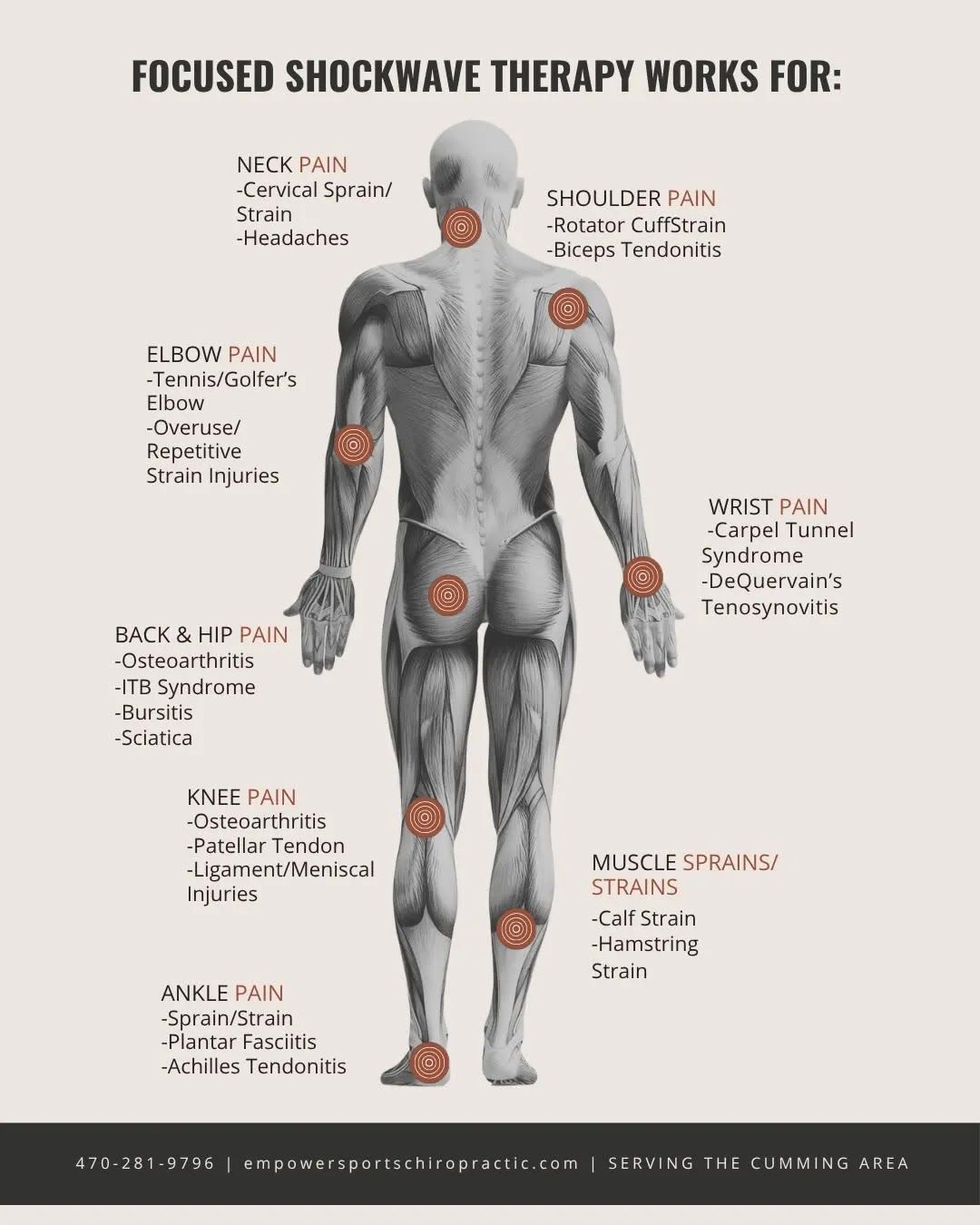
Conditions where the clinical evidence is strong, and outcomes are consistently good:
- Plantar fasciitis: particularly chronic cases (3+ months) that haven't resolved with orthotics, stretching, or cortisone
- Achilles tendinopathy: mid-portion and insertional, especially in active adults and athletes
- Patellar tendinopathy (jumper's knee): one of the better-studied applications in sport
- Lateral epicondylopathy (tennis elbow): consistent trial results, particularly when combined with exercise
- Calcific tendinitis of the rotator cuff: Shockwave is specifically effective at breaking down calcium deposits
- Greater trochanteric pain syndrome: hip abductor tendinopathy, less commonly treated but well-supported
You can see the full range of
the conditions we treat most often in athletes at Empower Sports Chiropractic.
Conditions where shockwave may be part of the plan but isn't typically the lead tool: acute muscle tears, joint cartilage issues, nerve-related pain. Not contraindications. Just cases where the mechanism is less directly applicable, and the evidence is thinner.
Absolute contraindications, where SoftWave therapy is not appropriate regardless of the injury:
- Active infection or an open wound over the treatment area
- Blood clotting disorders or anticoagulant therapy
- Malignancy in the treatment region
- Pregnancy
- Cardiac pacemaker
- Active growth plates in skeletally immature patients (near the growth plate specifically)
This isn't a complete clinical checklist. It's context for understanding that the evaluation before your first session isn't a formality. It's the step that confirms whether SoftWave therapy is the right tool for your specific situation.
The Evaluation — What Happens Before Any Treatment
Before any treatment begins, we run
a thorough movement and intake assessment before your first session.
Having served as team chiropractor for Georgia Tech Football and worked with the Atlanta Falcons, we built Empower Sports Chiropractic to bring that same standard of musculoskeletal care to athletes and active individuals in Cumming. That standard starts here, before any device is turned on.
Your injury history: how long it's been present, what triggered it or whether it came on gradually, what's been tried, what helped, and what didn't. The symptom pattern matters. Whether it's worse first thing in the morning, whether it builds through activity, whether rest makes it better, or just temporarily quieter.
Physical assessment of the target area: direct palpation to locate the most symptomatic tissue zone, range of motion testing, and movement assessment to understand the functional impact of the problem. This step determines exactly where the treatment gets directed. SoftWave therapy applied to the wrong area or the wrong tissue layer produces different results than treatment applied precisely to the affected tissue. Precision here is not a minor detail.
Imaging review, if available. X-ray, MRI, or diagnostic ultrasound can be useful, particularly for calcific presentations or to rule out structural pathology that would change the clinical picture. It's not always required, but if you have it, bring it.
The evaluation also screens for contraindications and determines whether SoftWave therapy is appropriate in isolation or should be combined with other treatments from the start.
What a SoftWave Therapy Session Actually Looks Like
The Setup
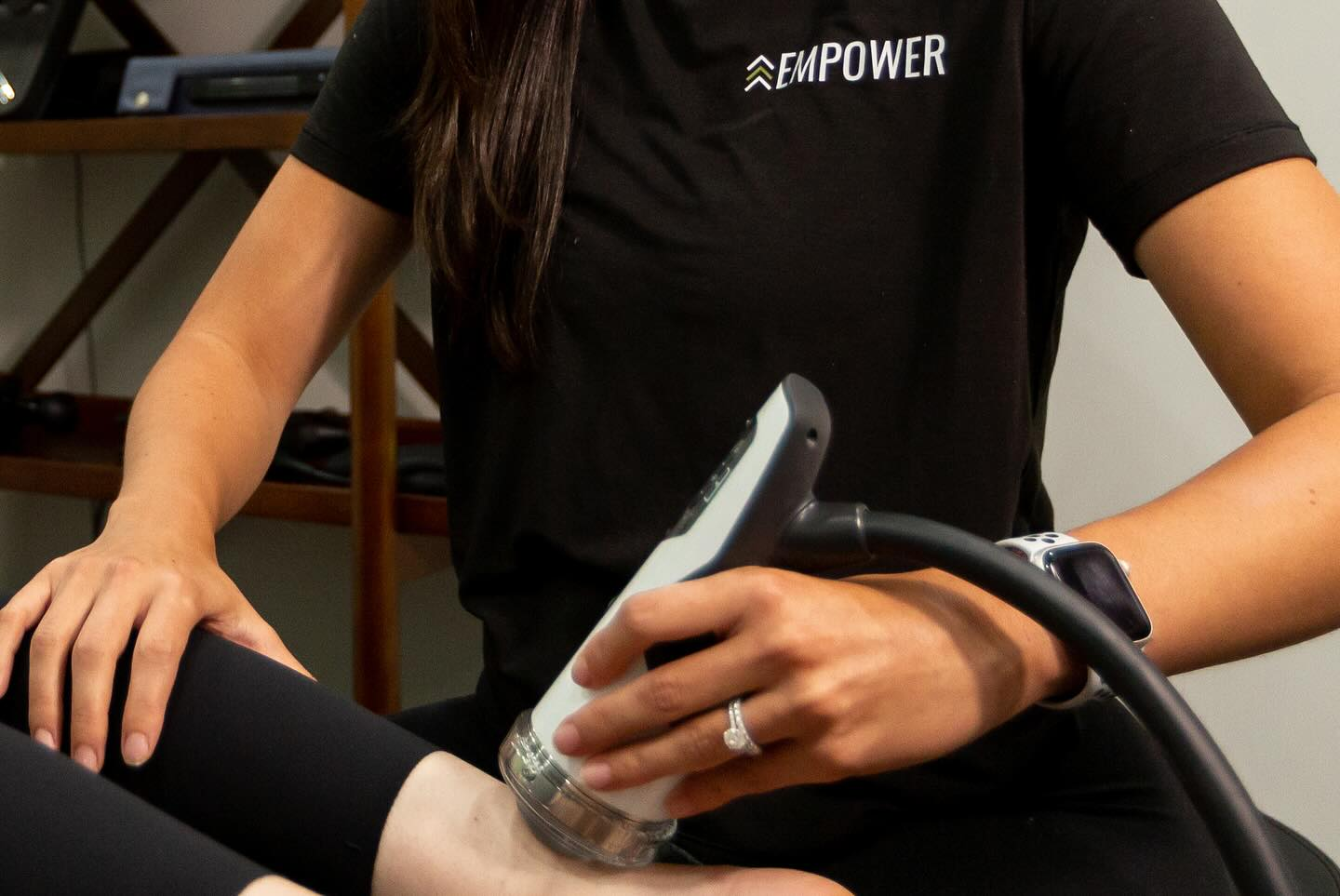
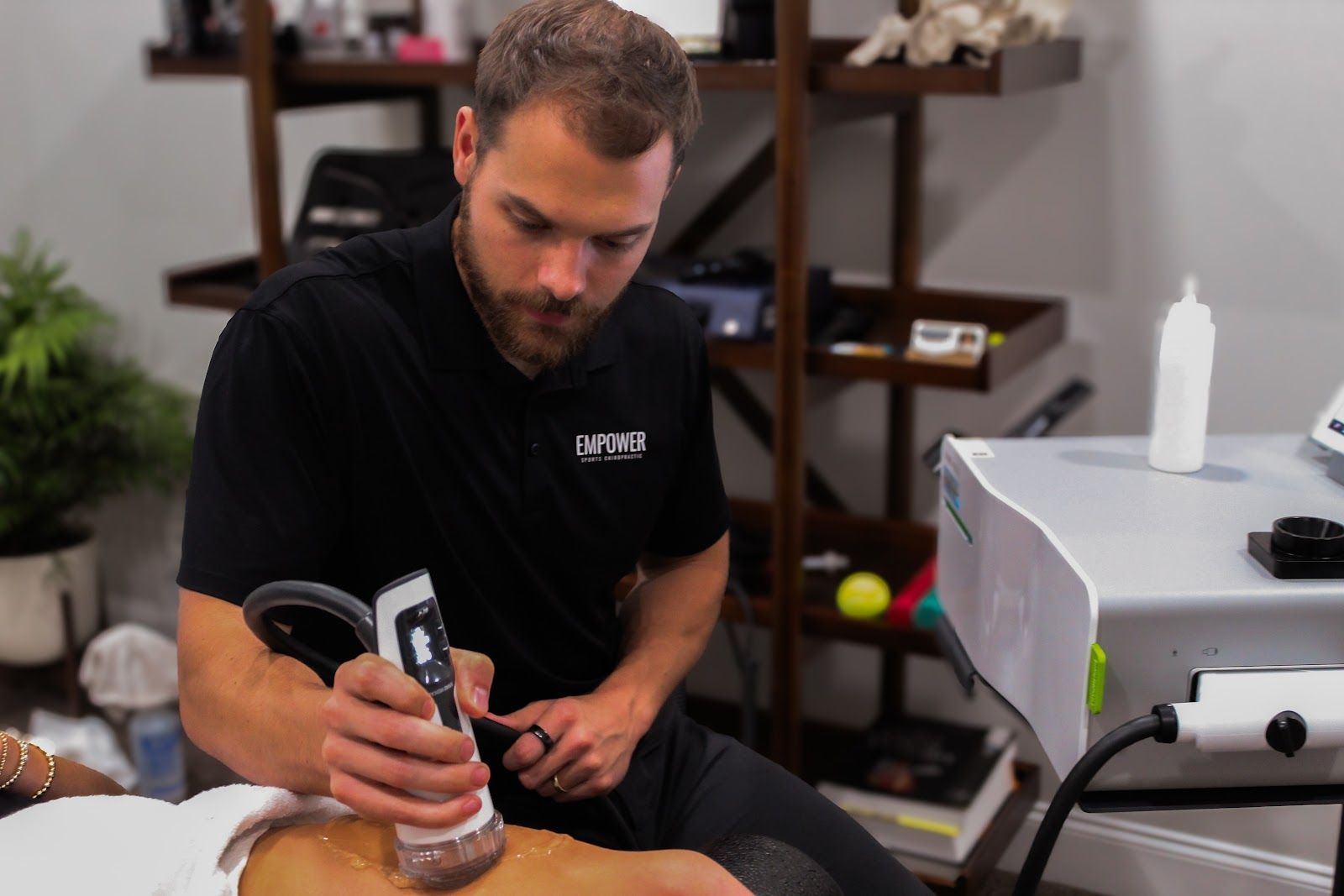
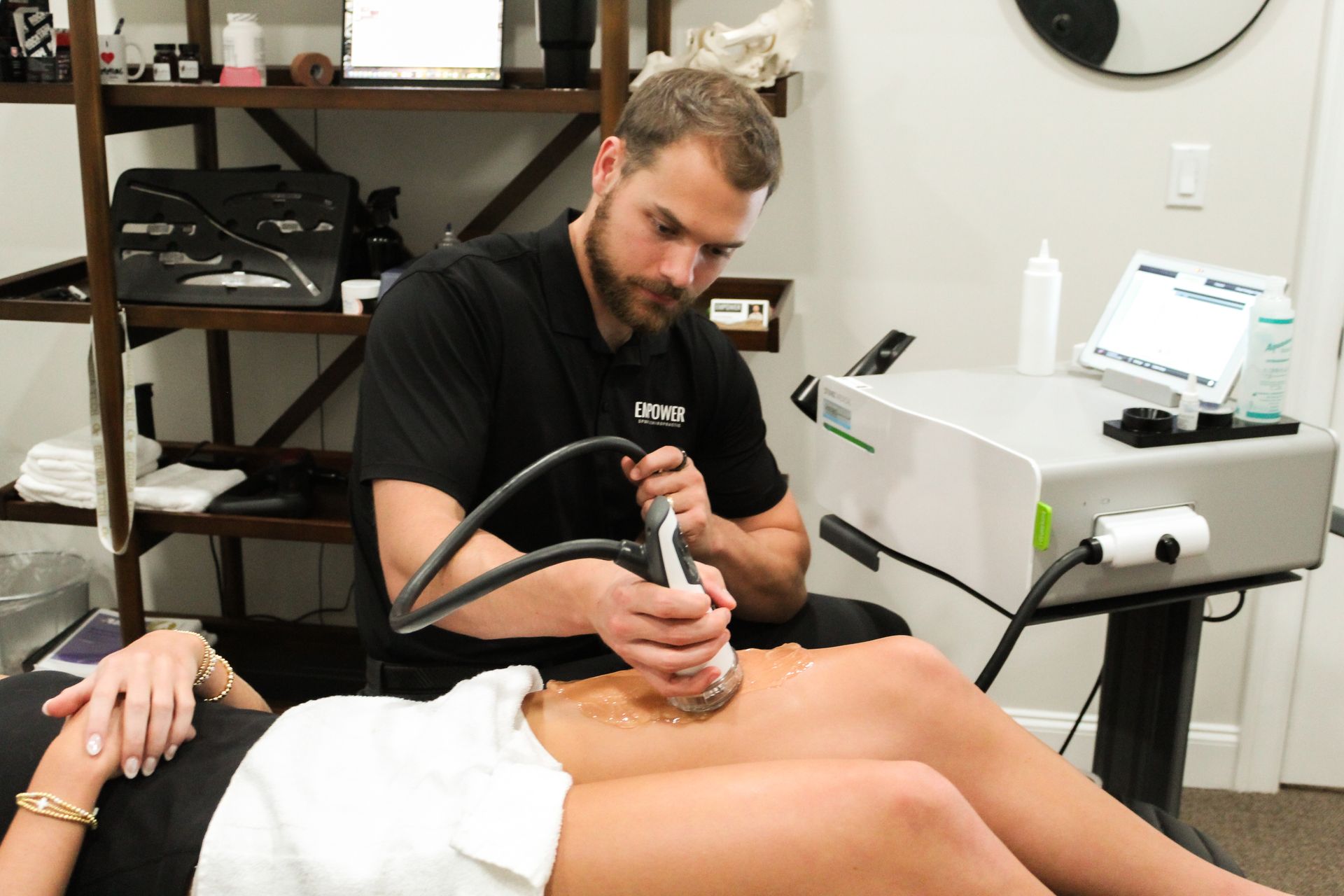
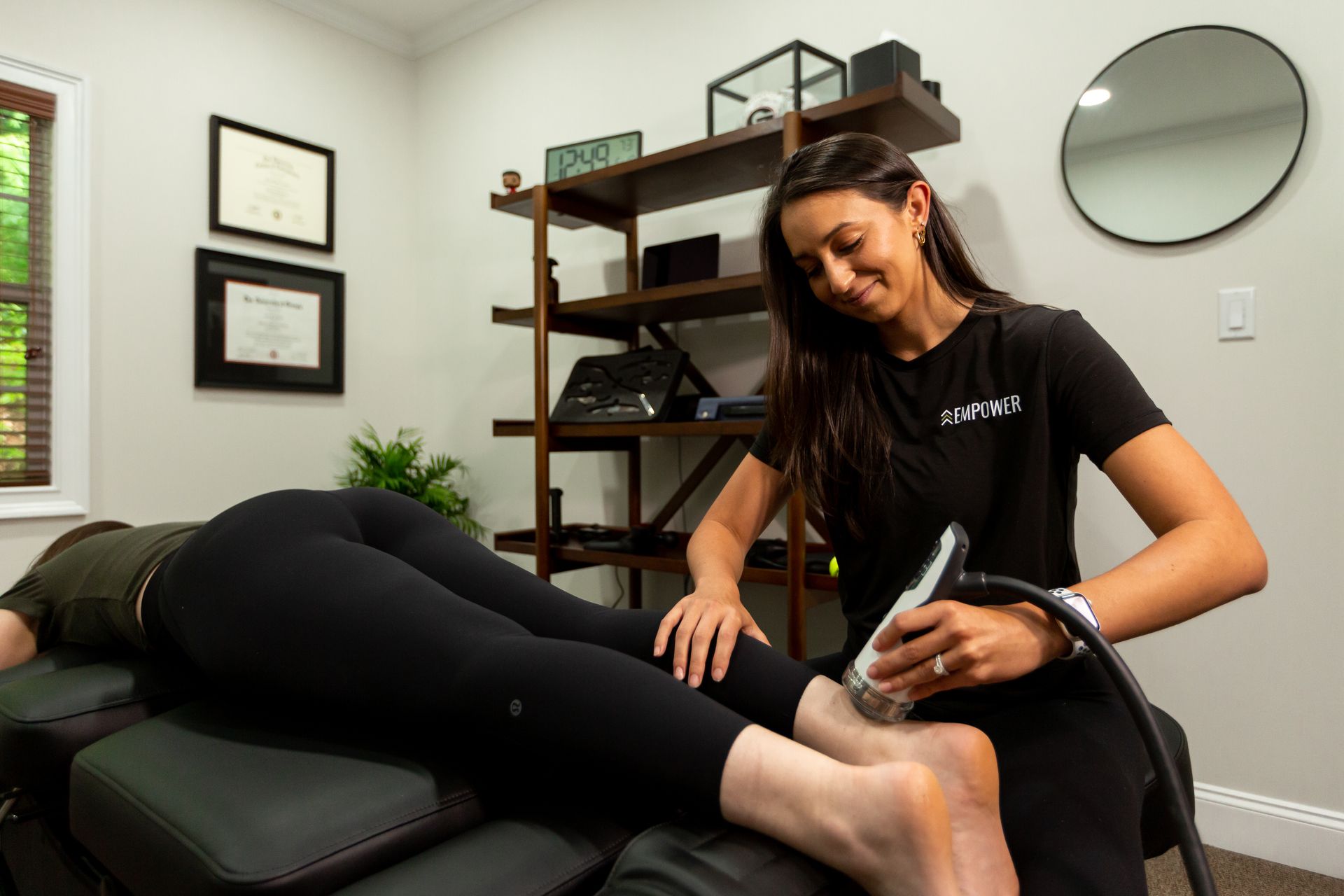
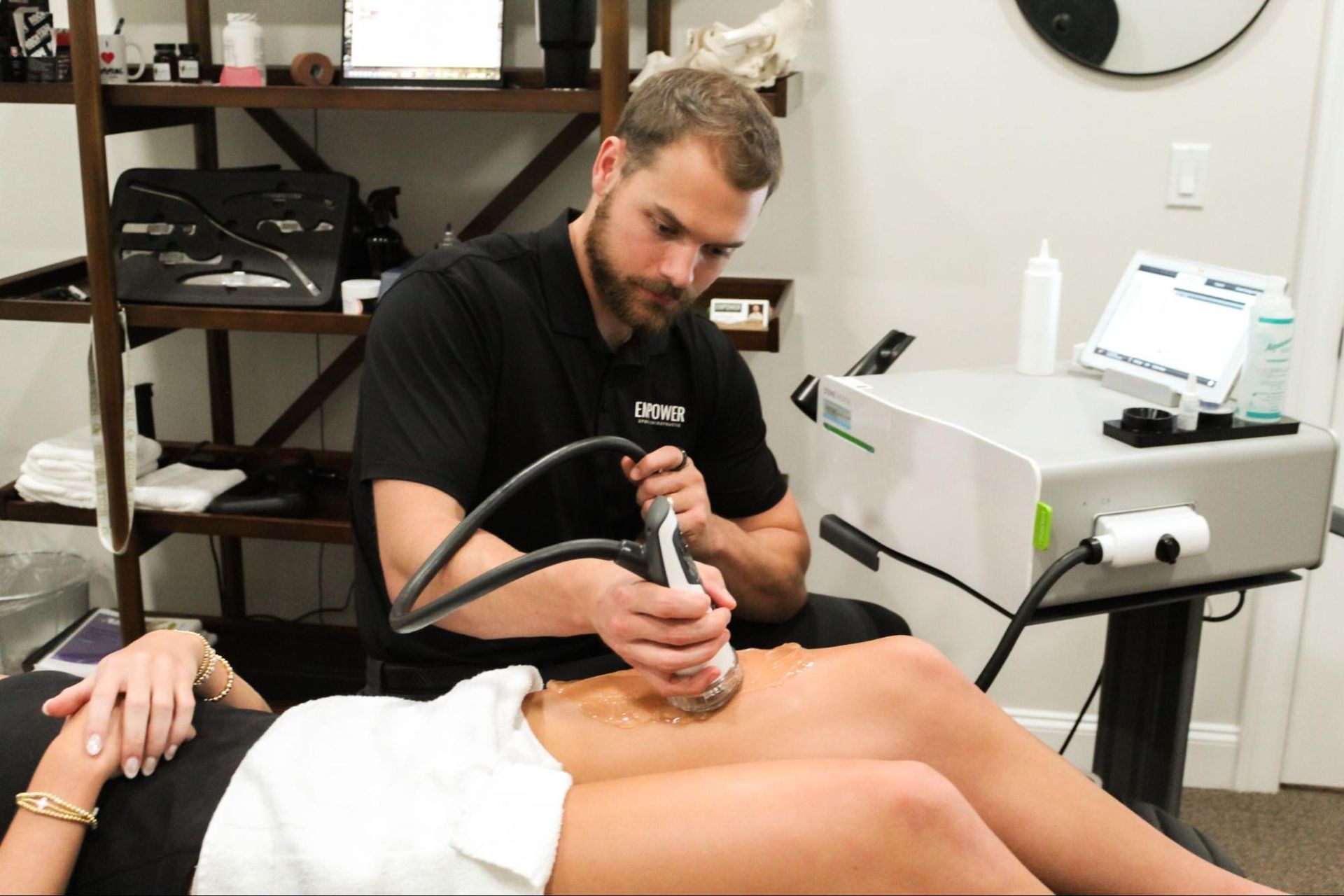
You'll be positioned seated or lying down, depending on the area being treated. Shoulder work is typically done seated. Lower extremity treatment (Achilles, plantar fascia, patellar tendon) is usually done lying down, on your back or stomach, depending on access.
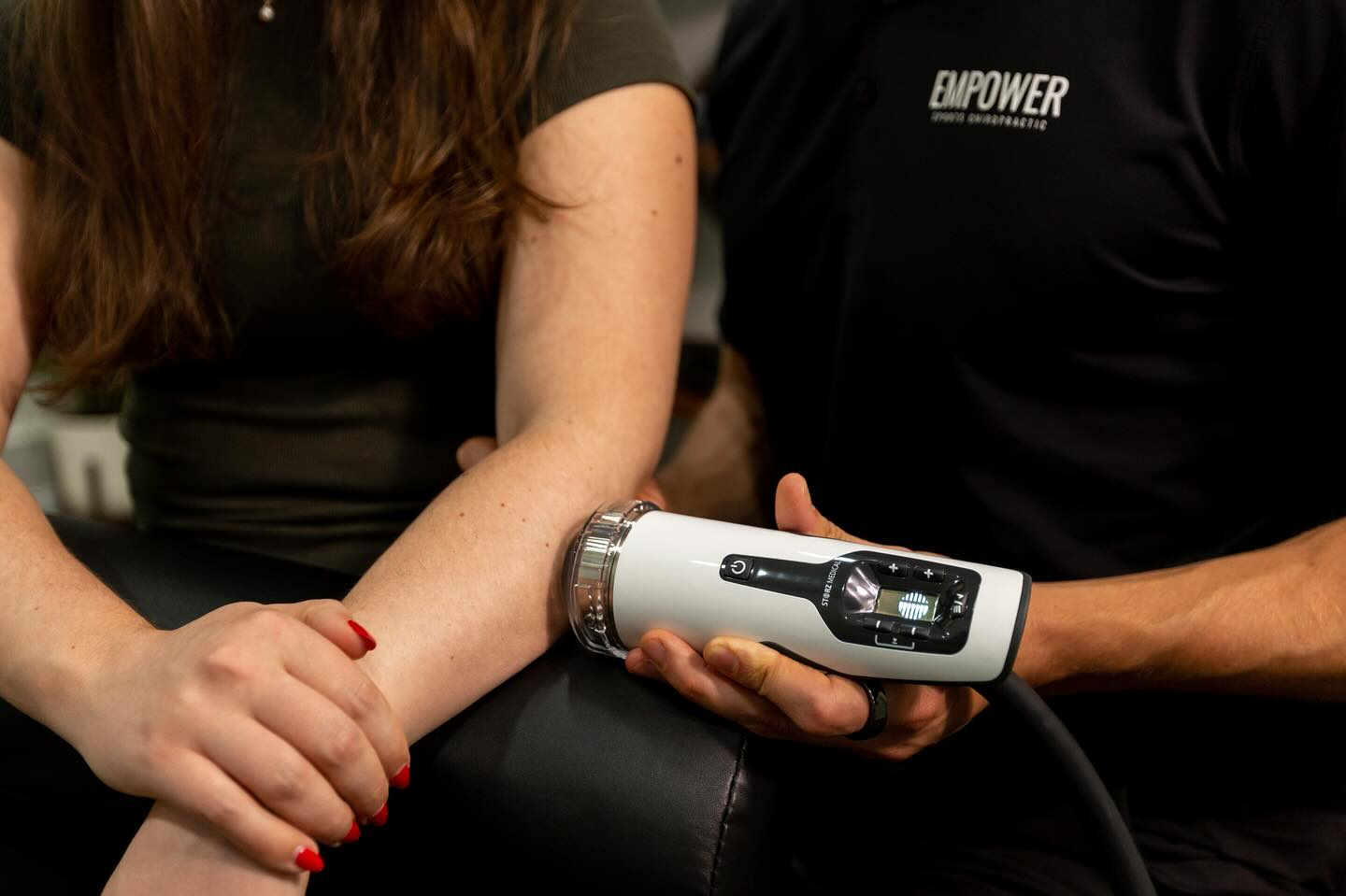
SoftWave therapy at Empower Sports Chiropractic is delivered using the Storz Duolith. We’ll select radial or focused wave mode based on the target tissue and depth required to reach it. Acoustic coupling gel is applied to the skin over the treatment area, the same gel used in diagnostic ultrasound. The applicator makes a rhythmic clicking or tapping sound during treatment. No break in the skin, no needles, nothing invasive about the setup.
What It Actually Feels Like
The sensation is a repetitive deep pressure or tapping. Not sharp, electric, or burning. The closest description most patients land on is: "Like someone drumming firmly on the area with something blunt." That sounds worse in description than it tends to feel in practice.
Intensity is adjustable throughout the session. We will start at a lower level and build based on your feedback. You're an active participant in calibrating the treatment, not a passive recipient. If something feels wrong rather than just uncomfortable, that's worth saying.
There's a meaningful difference between the two.
Where it gets genuinely uncomfortable: directly over a tendon insertion, the junction between tendon and bone, is typically the most sensitive zone. That's also where the most compromised tissue tends to live, and where the treatment is most precisely targeted. The applicator doesn't hold in one spot; it moves through the treatment zone. The more intense moments are brief.
The reaction most patients describe after their first session, unprompted, is some version of:
"I kept bracing for something worse."
That's not a universal experience. Individual pain tolerance and the specific condition both factor in. But it's the most consistent pattern. The gap between imagined and actual tends to close quickly once the session is underway.
Duration
Active pulse delivery takes 5–10 minutes per treatment area. Total appointment time, including positioning, gel application, treatment, and post-session conversation, is 15–30 minutes. No recovery room, no waiting period, no downtime protocol. You walk out the same way you walked in, possibly with a warm or mildly tender treatment site.
The 48 Hours After Your First Session
Mild soreness, warmth, and tenderness at the treated site for the first 24–48 hours are normal, expected, and part of the mechanism. SoftWave therapy deliberately triggers an inflammatory response. If you feel it afterward, the tissue is responding.
Some patients feel temporarily more symptomatic after session 1, more tender, and more aware of the area than before. This is documented in the clinical literature. It typically resolves within 48 hours and is followed by a gradual improvement in baseline symptoms as the treatment course progresses. Session 1 feeling worse than before session 1 is not a reason to stop. It's something worth mentioning to us at session 2, so it can be accounted for in the calibration going forward.
What's appropriate in the 48 hours after a session:
- Light walking and daily activity: fine
- Gentle movement of the affected area: fine
- High-impact loading (running, jumping, heavy resistance training involving the treated area): avoid for 48 hours
What to skip during the entire treatment course:
NSAIDs before sessions. Ibuprofen, naproxen, and similar anti-inflammatories directly suppress the inflammatory cascade that SoftWave therapy is designed to activate. Taking them routinely before sessions works against the treatment mechanism. If you need pain management between sessions, discuss alternatives with us rather than defaulting to over-the-counter anti-inflammatories.
The Treatment Course — Sessions, Spacing, and What Drives the Timeline
The standard protocol is 3–6 sessions spaced 5–7 days apart. Most patients land somewhere in the middle of that range.
| Factors That Tend to Shorten the | Factors That Tend to Extend It |
|---|---|
| Injury present for less than 6 months | Injury present 1–2+ years with significant degeneration |
| Good tissue quality in the surrounding area | Calcific deposits present (effective here, but course can be longer) |
| Consistent adherence to activity guidelines | Continuing to load the treated area between sessions |
| Combining SoftWave with structured rehab from the start | Metabolic or systemic factors affecting tissue healing |
Results by session:
Session 1: Minimal perceptible change for most patients. The biological process has started, but the tissue isn't showing results yet. Not a meaningful data point about whether the treatment will work.
Sessions 2–3: Most patients begin noticing a shift. Reduced baseline pain, improved movement, and decreased tenderness to direct pressure. This is where the treatment typically becomes apparent as a real change.
Sessions 4–6: Where cumulative benefit becomes clear for patients with more chronic presentations.
Weeks 6–12 post-treatment: The tissue continues remodeling long after the final session. Outcomes at 12 weeks are often meaningfully better than outcomes immediately post-treatment. The biological process SoftWave therapy initiates continues well past the last appointment.
What Affects Your Results — Beyond the Session
The treatment protocol matters. What you do around it matters just as much.
Loading management between sessions is one of the most underemphasized factors in outcome quality. Patients who continue aggressively loading the treated tendon between sessions, running through pain, training around the injury, and skipping the 48-hour post-session window, are disrupting the repair process that the treatment is trying to establish. Results suffer not because SoftWave therapy didn't work, but because the tissue never got the window it needed to respond.
Rehabilitation exercise is the other major variable that determines whether results stick. SoftWave therapy addresses tissue biology. It doesn't address the mechanical reasons the tissue was overloaded: movement patterns, strength deficits, and how training load was managed.
At Empower Sports Chiropractic,
SoftWave therapy is integrated within a comprehensive care plan that may include Active Release Technique (ART), Graston/IASTM, dry needling, chiropractic adjustments, and progressive rehabilitation exercises. This combination targets both the injured tissue and the biomechanical factors that created the overload. The
soft tissue care approach your treatment plan is built around uses SoftWave therapy as one tool within a broader clinical strategy, not the sole intervention. That's the reason outcomes here differ from standalone shockwave sessions elsewhere.
Questions Patients Actually Ask
How do I know if it's working between sessions?
Track three things: pain at rest, pain with the activity that typically aggravates it, and tenderness when you press directly on the affected area. You don't need a formal scale. You just need a consistent reference point. Reduction in any one of those between sessions is a meaningful positive indicator. Don't try to evaluate the treatment based on how you feel in the 30 minutes after a session; the post-treatment window is not representative.
What if I don't feel a difference after the first two sessions?
That's a clinical conversation worth having, not a reason to either quit or push blindly to session 6. If there's no measurable change in any of the three indicators above after two full sessions, it's worth discussing whether the treatment area is correctly targeted, whether the intensity calibration is appropriate, and whether something in the clinical picture wasn't apparent at the start. The protocol should adapt; it shouldn't run on autopilot.
Can I keep training while doing SoftWave therapy?
Generally, yes, with modification. The goal is to reduce, not eliminate, mechanical load on the treated structure during the treatment course. What that looks like in practice depends on your sport, your role, and the specific injury. This is worth discussing with us at the evaluation stage rather than making your own call.
Is the improvement permanent?
For patients who complete the full protocol and address the underlying mechanical contributors through rehabilitation, yes, results tend to be durable. For patients who treat SoftWave therapy as a standalone fix and return immediately to the training patterns that produced the injury, the risk of recurrence is real. The treatment creates a genuine structural improvement in the tissue. What you do with that improvement determines how long it holds.
Will one session be enough?
Rarely. Going in with the expectation of a single-session fix is the most reliable way to be disappointed by a treatment that otherwise works. The biological timeline doesn't compress. Patients who get the most out of SoftWave therapy tend to be the ones who commit to the full protocol and follow the activity guidelines between sessions, not the ones looking for the shortest possible route.
What You Know Now That Most Athletes Don't Before They Book
You came in not knowing what to expect. Now you have the complete picture: the equipment, the mechanism, the session itself, the post-treatment window, the realistic timeline, and the integrated care model that determines whether you return to full performance or just partial relief.
SoftWave therapy at Empower Sports Chiropractic isn't offered as a standalone quick fix. It's one part of a clinical model built around helping athletes and active individuals move well, perform at full capacity, and stay there.
If what you've read sounds like the right fit for your injury, we offer assessments at Empower Sports Chiropractic in Cumming.
Schedule your first SoftWave therapy session and take the next step toward getting back to full strength.
Move Well. Be Strong. Live Long.
Get Back in the Game, Pain-Free
Recover faster and move better with expert sports chiropractic care.
Pro Tips for Athletes & Active Lifestyles
Stay ahead with chiropractic insights, recovery strategies, and performance hacks.
Contact Us
We will get back to you as soon as possible.
Please try again later.
SHARE THIS
Latest Posts