Side Effects of Shockwave Therapy: What Athletes Should Know Before Treatment
By Dr. Jared Croskey • May 4, 2026

If you're an athlete considering shockwave therapy, you've probably searched for information about side effects. That's smart. Understanding what to expect helps you plan your training schedule and make an informed decision about treatment.
As a sports chiropractor and Team Chiropractor for Georgia Tech Football, I've treated over 600 athletes with SoftWave shockwave therapy at Empower Sports Chiropractic, for conditions ranging from plantar fasciitis to chronic tendinitis. The most common question I hear during consultations is, "What are the side effects, and will they interfere with my training?"
This guide answers that question with clinical data, and practical advice for managing side effects. You'll learn what to expect during recovery, how to minimize discomfort, and when side effects signal a problem that needs attention.
Whether you're a weekend warrior or a Division I athlete, this information will help you decide if shockwave therapy fits your recovery timeline and training goals.
TL;DR — Side Effects of Shockwave Therapy: What Athletes Should Know Before Treatment
- Most side effects are mild and temporary. Soreness, bruising, and redness typically resolve within 2-7 days.
- Athletes usually return to training within 24-48 hours with activity modifications.
- Serious complications are rare when treatment is performed by a trained provider.
- The healing response causes temporary inflammation, which is why some patients feel worse before they feel better.
Ready to learn more? Schedule a consultation to discuss your specific concerns.
Schedule a consultationShould You Be Worried About Side Effects?
The short answer: No, but you should be informed.
Shockwave therapy has a strong safety profile.
Clinical research consistently shows that serious adverse events are rare, especially when performed by trained providers. The most common side effects, like temporary soreness and bruising are mild and resolve without intervention.
Compare this to cortisone injections, which carry risks of tendon weakening, cartilage damage, and elevated blood sugar. Or consider surgery, which involves anesthesia risks, infection potential, and months of rehabilitation. Shockwave therapy sits at the conservative end of the treatment spectrum.
That said, every medical procedure carries some risk. Your body's response depends on factors like treatment intensity, the condition being treated, and your individual pain tolerance. Some patients walk out of my Cumming office feeling fine. Others experience soreness similar to a hard workout.
The key is knowing what's normal and what's not. Most side effects are part of the healing process. Your body is responding to the acoustic waves by increasing blood flow, breaking down scar tissue, and triggering cellular repair. This creates temporary inflammation, which can feel uncomfortable but signals that the treatment is working.
Understanding How Shockwave Therapy Works (And Why Side Effects Occur)
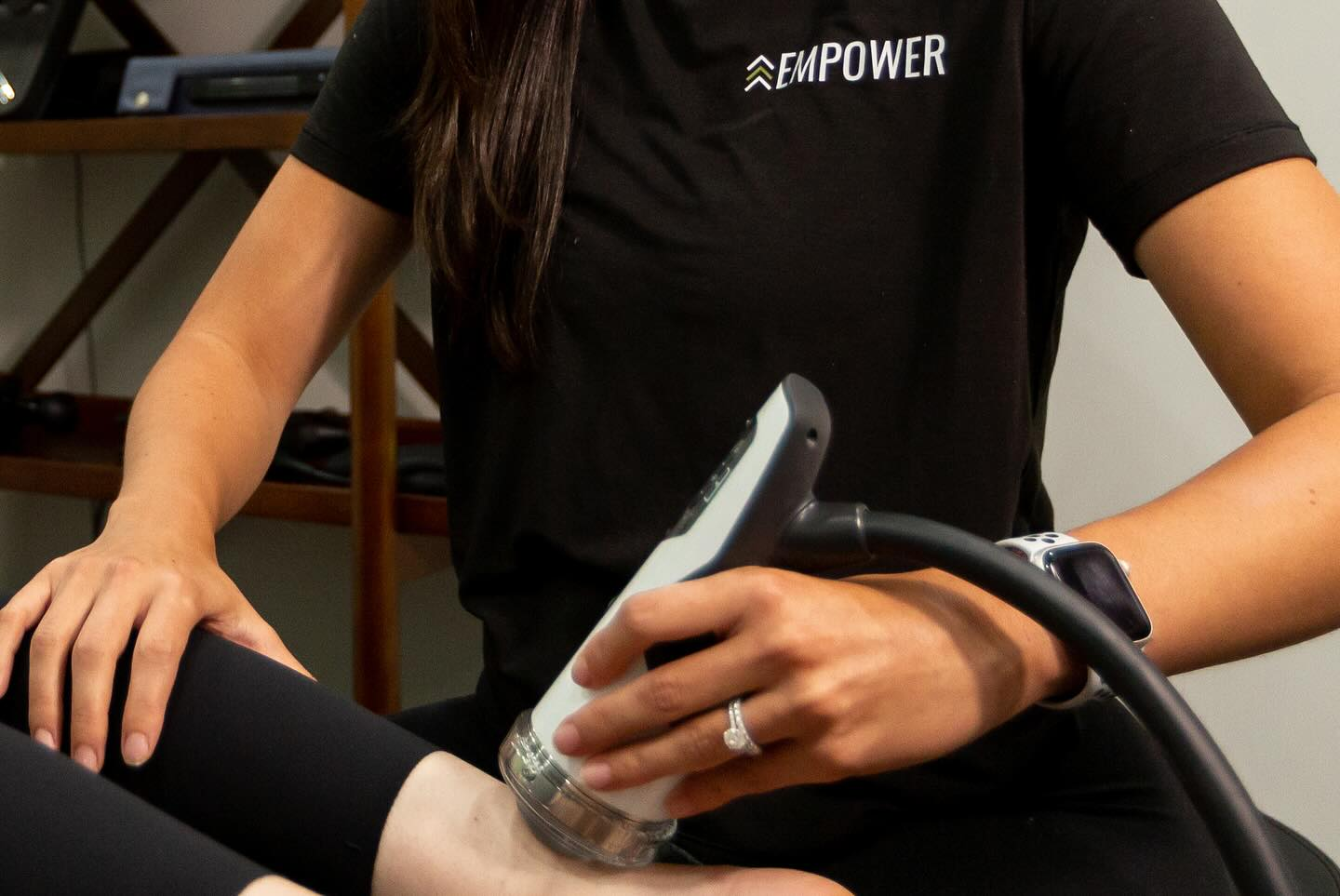
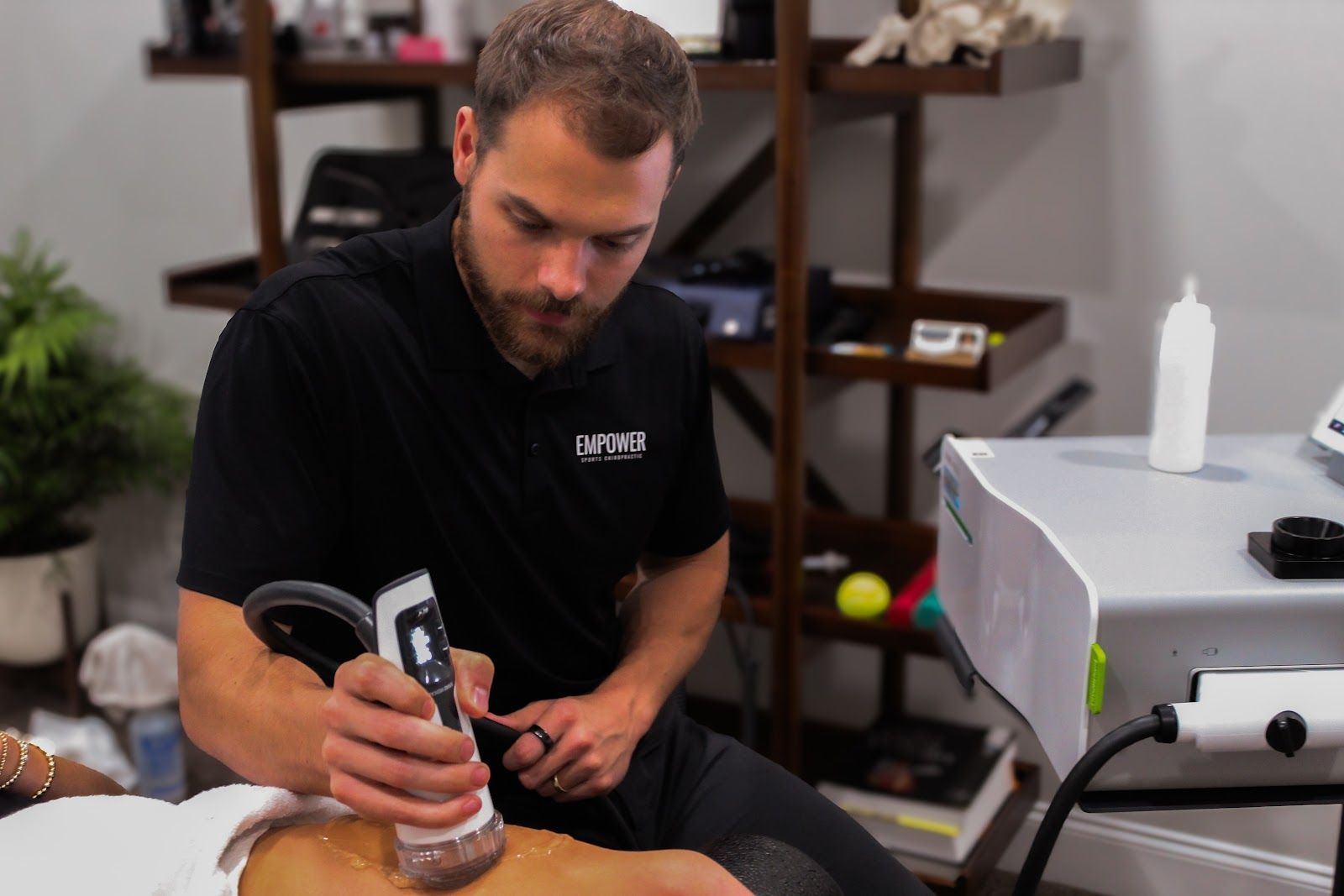
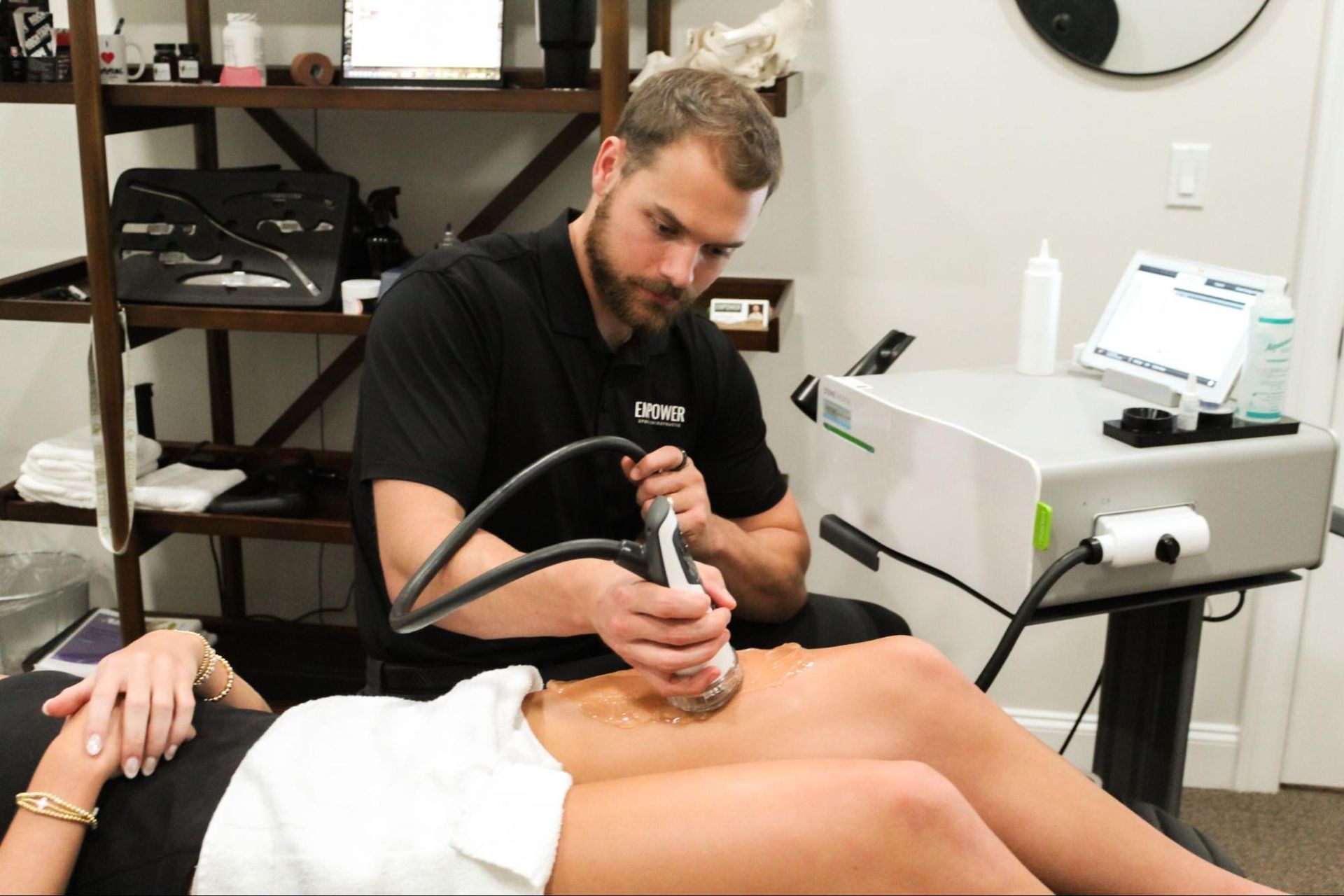
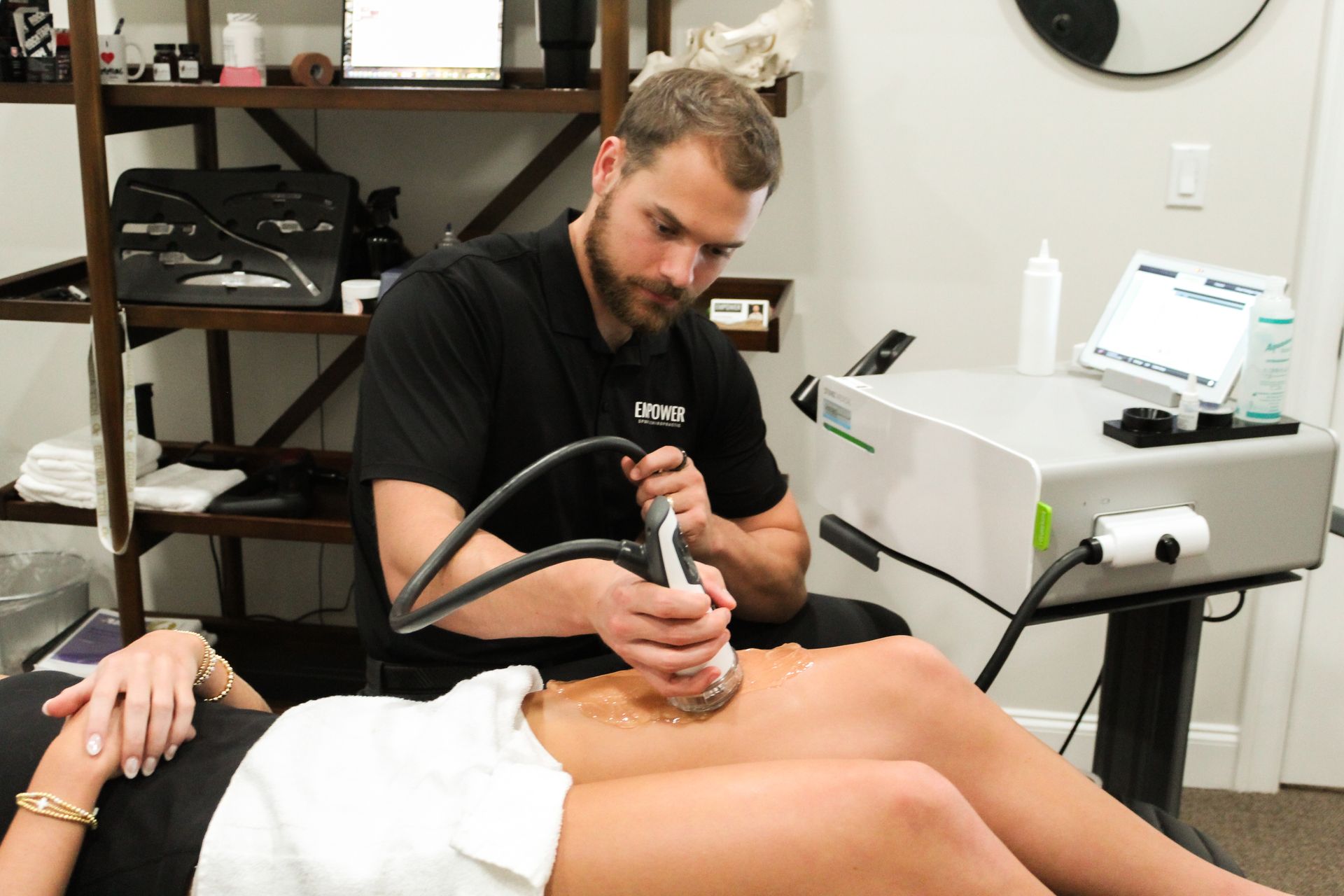
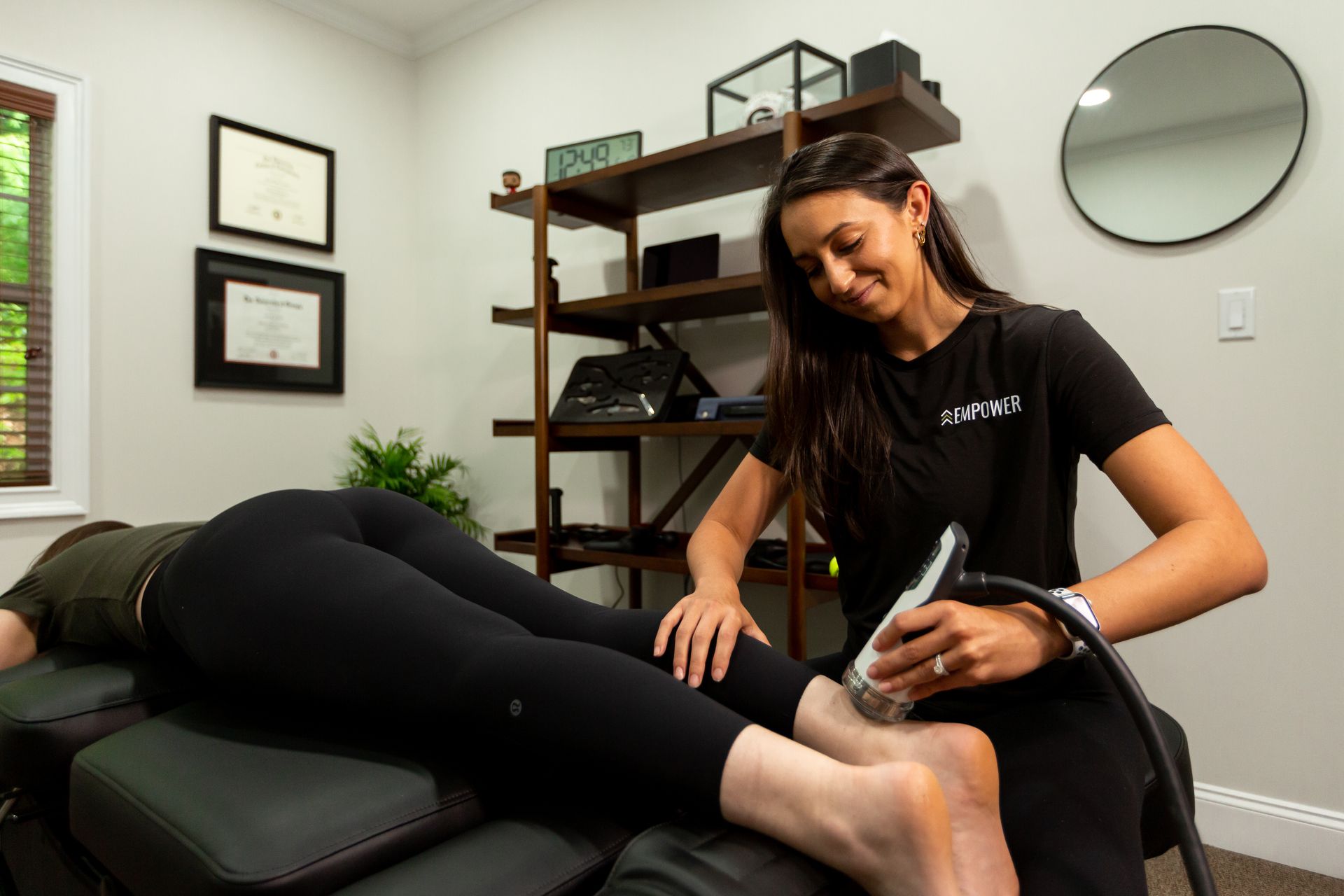
Our comprehensive shockwave therapy treatment approach uses high-energy acoustic waves to stimulate healing in injured tissue. The device delivers rapid pulses of pressure to the treatment area, creating mechanical stress at the cellular level.
This mechanical stress triggers several biological responses. First, it increases metabolic activity in the tissue, which brings more oxygen and nutrients to the area. Second, it breaks down calcifications and scar tissue that restrict movement. Third, it stimulates the release of growth factors that promote tissue regeneration.
The process also creates microtrauma—tiny, controlled damage to the tissue. This might sound counterintuitive, but microtrauma is what initiates the healing cascade. Your body responds by sending inflammatory cells to the area, which clean up damaged tissue and lay down new collagen fibers.
This inflammatory response is why side effects occur. When you increase blood flow and cellular activity in an area that's already injured, you temporarily increase sensitivity. The tissue becomes more reactive to pressure and movement. This is normal and expected.
There are two main types of shockwave therapy: radial and focused. Radial shockwaves spread energy over a larger area and penetrated 1-2 inches deep. Focused shockwaves concentrate energy at a specific depth, reaching up to 4-5 inches. Radial therapy tends to cause more surface-level soreness and bruising because the energy disperses across the skin. Focused therapy can create deeper discomfort but less visible bruising.
At our Cumming, GA practice, we use both types depending on the condition. Plantar fasciitis typically responds well to radial shockwaves. Deep tendon injuries like Achilles tendinopathy often require focused treatment. The type of device affects which side effects you're likely to experience.
Treatment intensity also matters. We measure intensity in millijoules per square millimeter (mJ/mm²). Higher intensities create stronger biological responses but also increase the likelihood of soreness. Most protocols start at lower intensities and increase gradually across sessions, which helps your body adapt and reduces side effects.
Why We Use SoftWave Technology at Empower Sports Chiropractic
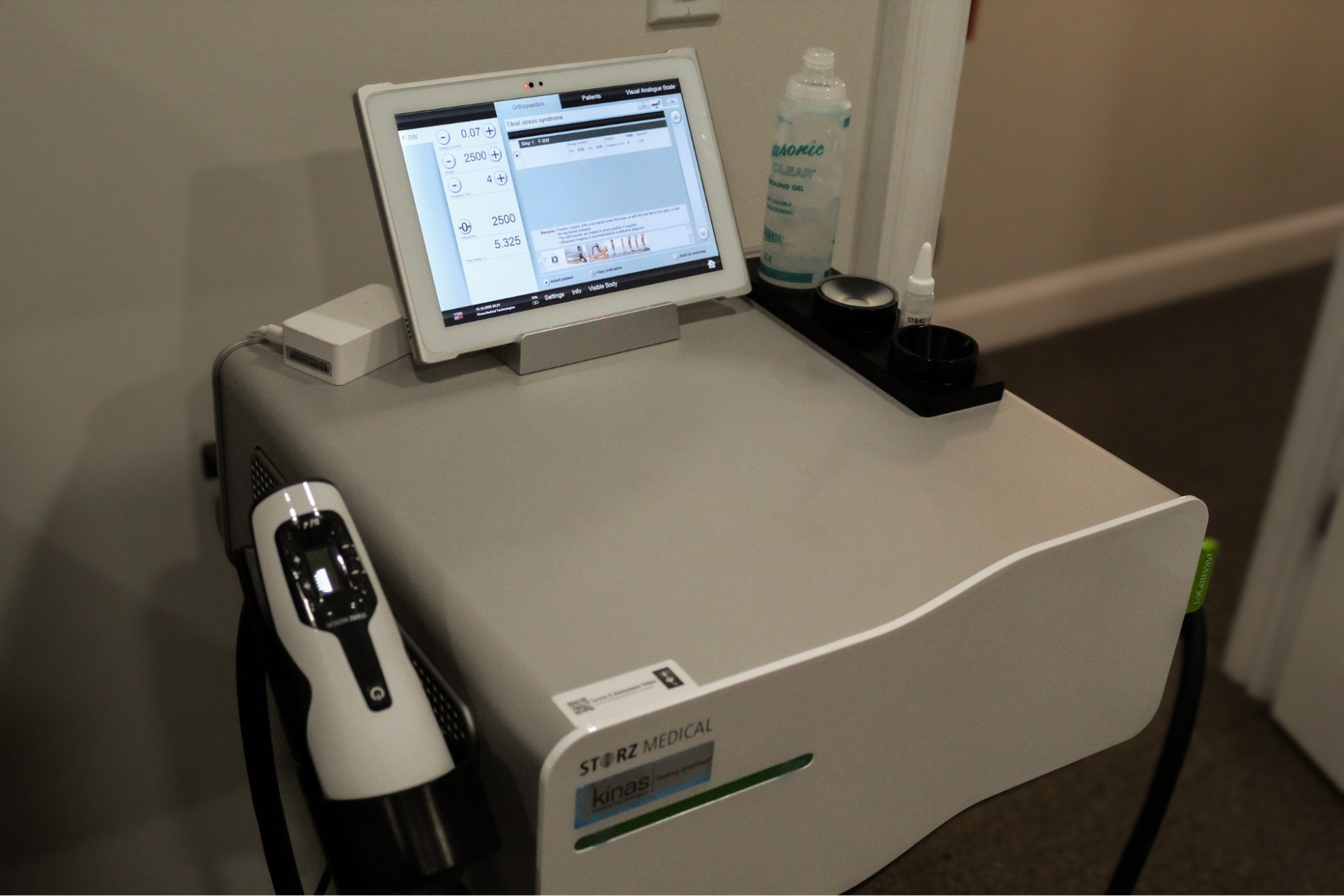
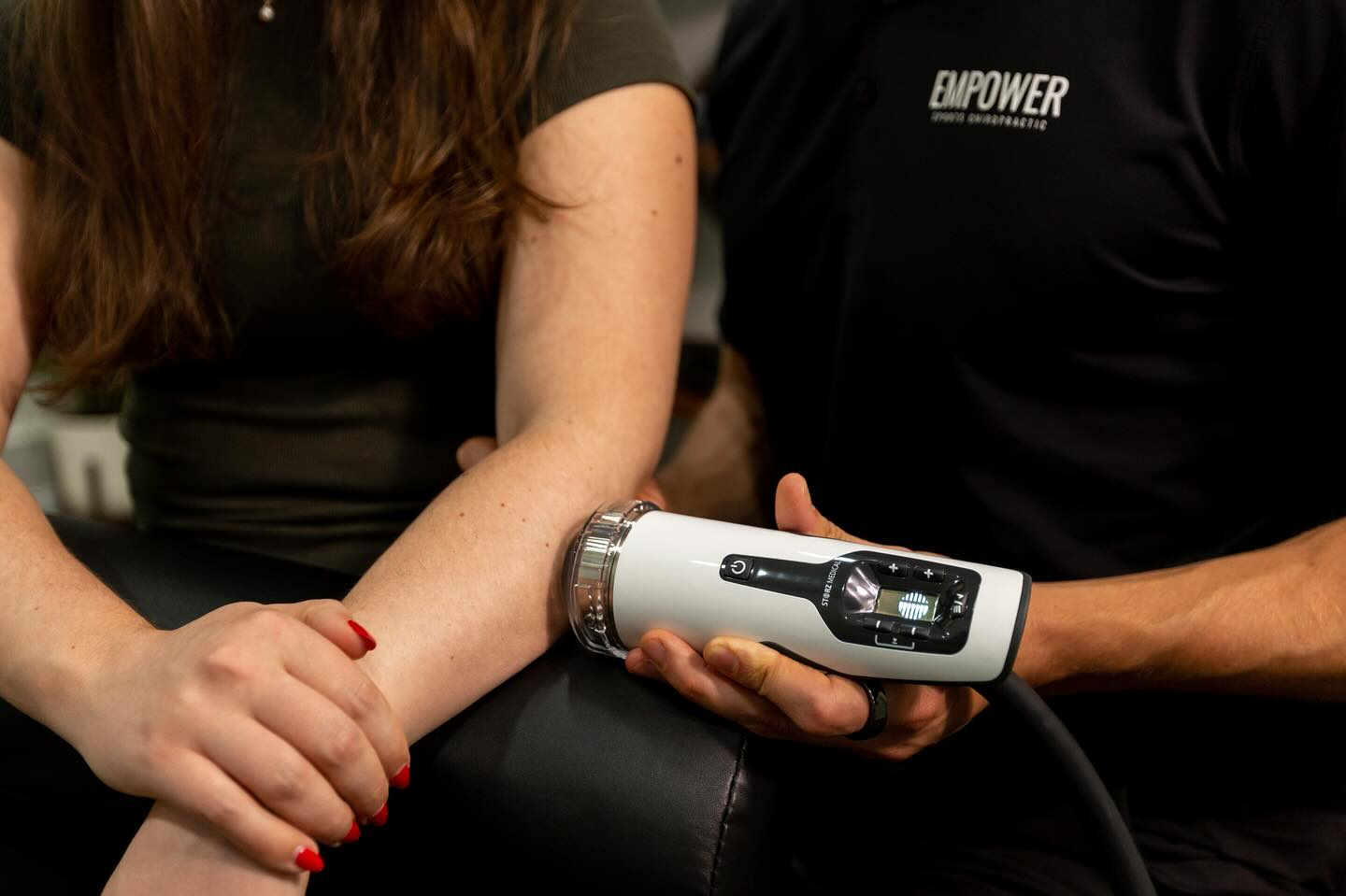
At our practice, we use SoftWave shockwave therapy, a premium, FDA-cleared technology that delivers unfocused shockwaves for deeper tissue penetration and more comfortable treatment.
Unlike traditional focused shockwave devices, SoftWave's patented technology:
- Treats larger areas in less time
- Penetrates deep into tissue without the sharp, focused pain of traditional devices
- Uses unfocused wave patterns that many patients find more tolerable
- Provides effective treatment while maintaining patient comfort
This is the same technology used by professional sports teams and Olympic athletes. We chose SoftWave because it delivers strong clinical outcomes while prioritizing patient comfort during treatment, which matters when you're trying to get back to training as quickly as possible.
The unfocused wave pattern means you're less likely to experience the intense, pinpoint discomfort that some patients report with older focused shockwave devices. Most of my athletes describe SoftWave treatment as "intense pressure" rather than "sharp pain."
The Complete List of Shockwave Therapy Side Effects
Common Side Effects (Experienced by Many Patients)
Temporary Soreness or Discomfort
This is the most frequently reported side effect. The treated area feels tender to touch, similar to muscle soreness after a hard workout. The discomfort typically peaks 24-48 hours after treatment and fades over the next 3-5 days.
Severity varies. Some patients describe it as mild achiness. Others report moderate pain that affects their ability to perform certain movements. In my experience, patients with chronic conditions (pain lasting 6+ months) tend to have milder soreness than those with acute injuries.
Management: Light movement helps more than complete rest. Walking, gentle stretching, and low-intensity activity keep blood flowing without aggravating the tissue. Avoid high-impact exercise for 48 hours.
Bruising or Redness at the Treatment Site
Bruising occurs when small blood vessels near the surface break during treatment. This is more common with radial shockwaves because the energy disperses across a wider area. The bruising looks like a typical impact bruise—purple or blue initially, then fading to yellow-green over 5-7 days.
Redness is even more common than bruising. The skin over the treatment area may appear flushed or pink for several hours after the session. This is a normal vascular response and doesn't indicate tissue damage.
Management: Bruising doesn't require treatment. It will resolve on its own. Avoid applying ice immediately after treatment, as this can interfere with the inflammatory healing response. After 24 hours, ice can help reduce discomfort if needed.
Mild Swelling
Swelling results from increased fluid accumulation in the tissue as part of the inflammatory response. It's most noticeable in areas with less muscle mass, like the heel or elbow. The swelling is typically mild. You might notice the area looks slightly puffy or feels tight.
Duration: 2-4 days in most cases. Swelling that persists beyond a week or increases over time should be evaluated.
Management: Elevation and compression can help. If you're treating a foot or ankle condition, prop your leg up when resting. Compression sleeves or wraps provide gentle pressure that reduces fluid buildup.
Less Common Side Effects
Numbness or Tingling
Some patients report temporary numbness or a "pins and needles" sensation in the treated area. This occurs when the acoustic waves temporarily affect nerve endings near the surface. The sensation usually resolves within a few hours but can occasionally persist for 1-2 days.
This is more common when treating areas with superficial nerves, like the inside of the elbow or the top of the foot.
Management: The sensation typically fades on its own. If numbness persists beyond 48 hours or spreads to areas that weren't treated, contact your provider.
Skin Sensitivity
The skin over the treatment area may feel hypersensitive for 24-48 hours. Light touch or clothing friction can feel uncomfortable. This is a temporary nerve response and doesn't indicate skin damage.
Management: Wear loose clothing over the treated area. Avoid tight compression garments for the first 24 hours.
Temporary Pain Increase
Some patients report that their original pain feels worse for 1-3 days after treatment. This is called a "flare reaction." It happens because the inflammatory response temporarily increases sensitivity in tissue that's already irritated.
This is actually a positive sign. It indicates that the treatment reached the injured tissue and triggered a biological response. Patients who experience a flare reaction often have better long-term outcomes than those who don't.
Management: Reduce activity intensity for 2-3 days. The increased pain should start improving by day 4. If it doesn't, or if the pain becomes severe, contact your provider.
Rare Complications
Infection
Infection is extremely rare because shockwave therapy is non-invasive. There are no needles or incisions. The only scenario where infection could occur is if the treatment is performed over broken skin or an open wound, which is a contraindication.
In 12 years of practice, I've never seen an infection from shockwave therapy.
Nerve Irritation
Prolonged or severe nerve irritation can occur if treatment is applied directly over a superficial nerve at high intensity. This is why proper technique and anatomical knowledge are critical. A trained provider knows where nerves run and adjusts treatment parameters accordingly.
Tissue Damage
Applying excessive energy to fragile tissue (like recently healed fractures or areas with poor circulation) can cause damage. This is why pre-treatment screening is important. We assess your medical history and perform a physical exam to identify any contraindications before starting treatment.
What the Research Says About Safety
Clinical research consistently shows that shockwave therapy is safe when performed by trained providers. Systematic reviews of published studies have found that adverse events are typically mild and self-limiting, with the vast majority being temporary soreness and bruising. Serious complications requiring medical intervention are rare.
The
FDA has cleared multiple shockwave therapy devices for use in treating musculoskeletal conditions. The clearance process requires manufacturers to demonstrate safety and effectiveness through clinical trials. Devices must meet specific performance standards before they can be marketed to healthcare providers.
Long-term safety data is also reassuring. Follow-up studies tracking patients for several years after shockwave therapy have found no delayed complications or adverse effects. Patients who respond well to treatment maintain their improvements without additional side effects.
The safety profile compares favorably to other common treatments. Cortisone injections carry a 2-5% risk of tendon rupture in weight-bearing tendons. NSAIDs (like ibuprofen) cause gastrointestinal bleeding in 1-2% of long-term users. Surgery for chronic tendinopathy has complication rates ranging from 5-15%, including infection, nerve damage, and failed healing.
Your Pre-Treatment Checklist to Reduce Side Effects
48 Hours Before Treatment:
- Hydrate well. Drink at least 64 ounces of water daily. Hydrated tissue responds better to treatment and recovers faster.
- Avoid NSAIDs. Ibuprofen, naproxen, and aspirin can interfere with the inflammatory healing response. If you need pain relief, acetaminophen (Tylenol) is a better option.
- Get adequate sleep. Your body repairs tissue during sleep. Aim for 7-8 hours the night before treatment.
Day of Treatment:
- Eat a light meal 1-2 hours before. Some patients feel lightheaded during treatment if they haven't eaten.
- Wear loose, comfortable clothing. You'll need to expose the treatment area, so dress accordingly.
- Arrive with clean skin. Avoid lotions, oils, or creams on the treatment area.
Questions to Ask Your Provider:
- What intensity will you use for my first session?
- How many sessions do you recommend for my condition?
- What activity restrictions should I follow after treatment?
- When should I schedule my next session?
At our practice, we spend 10-15 minutes before each session reviewing your current symptoms and adjusting the treatment plan. This individualized approach helps minimize side effects and optimize outcomes.
Day-by-Day: What to Expect After Treatment
Day 1 (Treatment Day):
Immediately after treatment, the area may feel tender or sensitive. Some patients notice redness or warmth. This is normal. You can resume light activities like walking or desk work. Avoid high-impact exercise, heavy lifting, or movements that stress the treated area.
Days 2-3 (Peak Discomfort Period):
Soreness typically peaks during this window. The area may feel stiff in the morning and loosen up with movement. Bruising, if it occurs, becomes visible. Some patients experience a temporary increase in their original pain (flare reaction).
Activity modifications: Continue light movement. Avoid running, jumping, or heavy resistance training. Swimming and cycling at low intensity are usually well-tolerated.
Days 4-7 (Improvement Begins):
Soreness starts to fade. Bruising begins changing color (purple to yellow-green). Most patients notice that their original pain is improving or at least no worse than before treatment. Stiffness decreases.
Activity modifications: You can gradually increase intensity. If you're a runner, start with short, easy runs. Weightlifters can return to moderate loads. Listen to your body—if an activity increases pain, back off.
Week 2+ (Significant Relief):
By the second week, most side effects have resolved. Many patients report noticeable improvement in their original symptoms after one session. This improvement continues to build over the next 4-6 weeks as tissue remodeling occurs.
Red Flags – When to Contact Your Provider:
- Pain that worsens progressively after day 3
- Swelling that increases or spreads beyond the treatment area
- Numbness or tingling that persists beyond 48 hours
- Signs of infection (fever, red streaks, warmth that increases over time)
- Inability to bear weight or perform basic movements
At our clinic, we provide patients with a post-treatment handout that includes our direct phone line. We encourage you to call with questions rather than waiting to see if symptoms resolve on their own.
How We Minimize Side Effects at Empower Sports Chiropractic
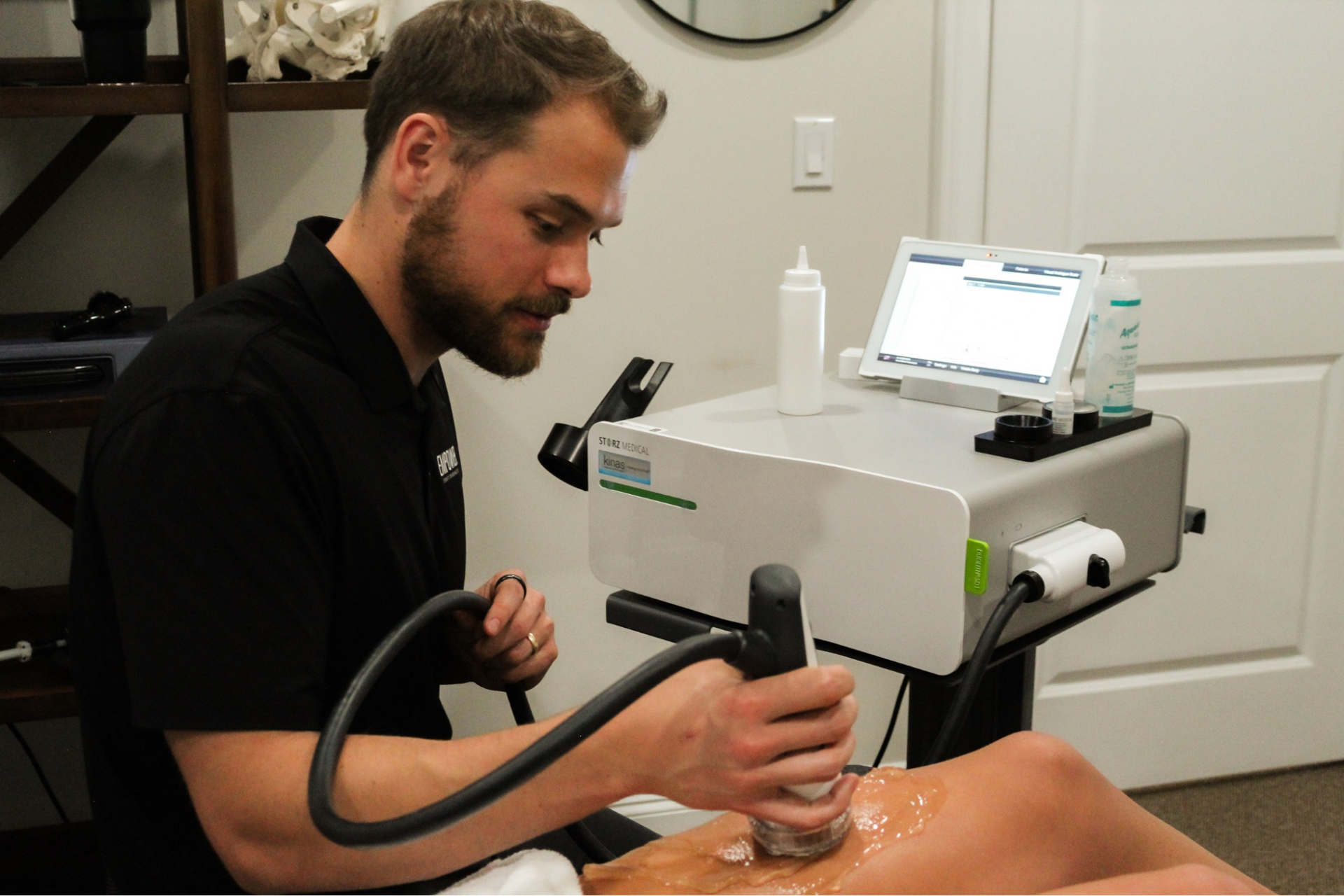
At Empower Sports Chiropractic, we take a quality-over-quantity approach to shockwave therapy. Unlike practices that rush through 10-minute appointments, we dedicate 30-45 minutes to each session. This allows us to:
- Perform a thorough assessment before each treatment
- Adjust intensity based on your real-time feedback
- Treat multiple areas if needed
- Provide post-treatment coaching and recovery guidance
This individualized attention is why our patients experience better outcomes and more comfortable treatment experiences.
Our Pre-Treatment Protocol:
- Movement Assessment — We identify compensatory patterns that may affect treatment response
- Pain Mapping — We pinpoint the exact location of tissue dysfunction
- Intensity Calibration — We start conservatively and adjust based on your tolerance
- Real-Time Communication — You tell us what you're feeling, and we adjust immediately
Our Post-Treatment Support:
- Written recovery guidelines specific to your condition
- Direct phone line for questions (no waiting for callbacks)
- Follow-up check-ins between sessions
- Activity modification recommendations tailored to your sport
This level of care is only possible because we're a cash-based practice that doesn't rush patients through assembly-line appointments. We accept HSA/FSA payments and offer transparent pricing with no surprise bills.
When Shockwave Therapy Isn't Right for You
Shockwave therapy is safe for most people, but certain conditions make it inappropriate or risky.
Absolute Contraindications (Do Not Treat):
- Pregnancy: The effects of shockwave therapy on fetal development haven't been studied. We avoid treatment during pregnancy.
- Blood clotting disorders or anticoagulant use: Patients on blood thinners (warfarin, Eliquis, Plavix) have an increased risk of bruising and bleeding.
- Active cancer in the treatment area: Shockwave therapy increases cellular activity, which could theoretically affect cancer cells.
- Pacemakers or implanted electrical devices: The acoustic waves can interfere with device function.
- Infections in the treatment area: Treatment over infected tissue can spread the infection.
Relative Contraindications (Requires Careful Evaluation):
- Recent cortisone injection (within 6 weeks): Cortisone weakens tissue temporarily. Shockwave therapy applied too soon can increase the risk of tendon rupture.
- Diabetes with neuropathy: Reduced sensation makes it harder to gauge treatment intensity, increasing the risk of tissue damage.
- Severe osteoporosis: Fragile bone may not tolerate mechanical stress.
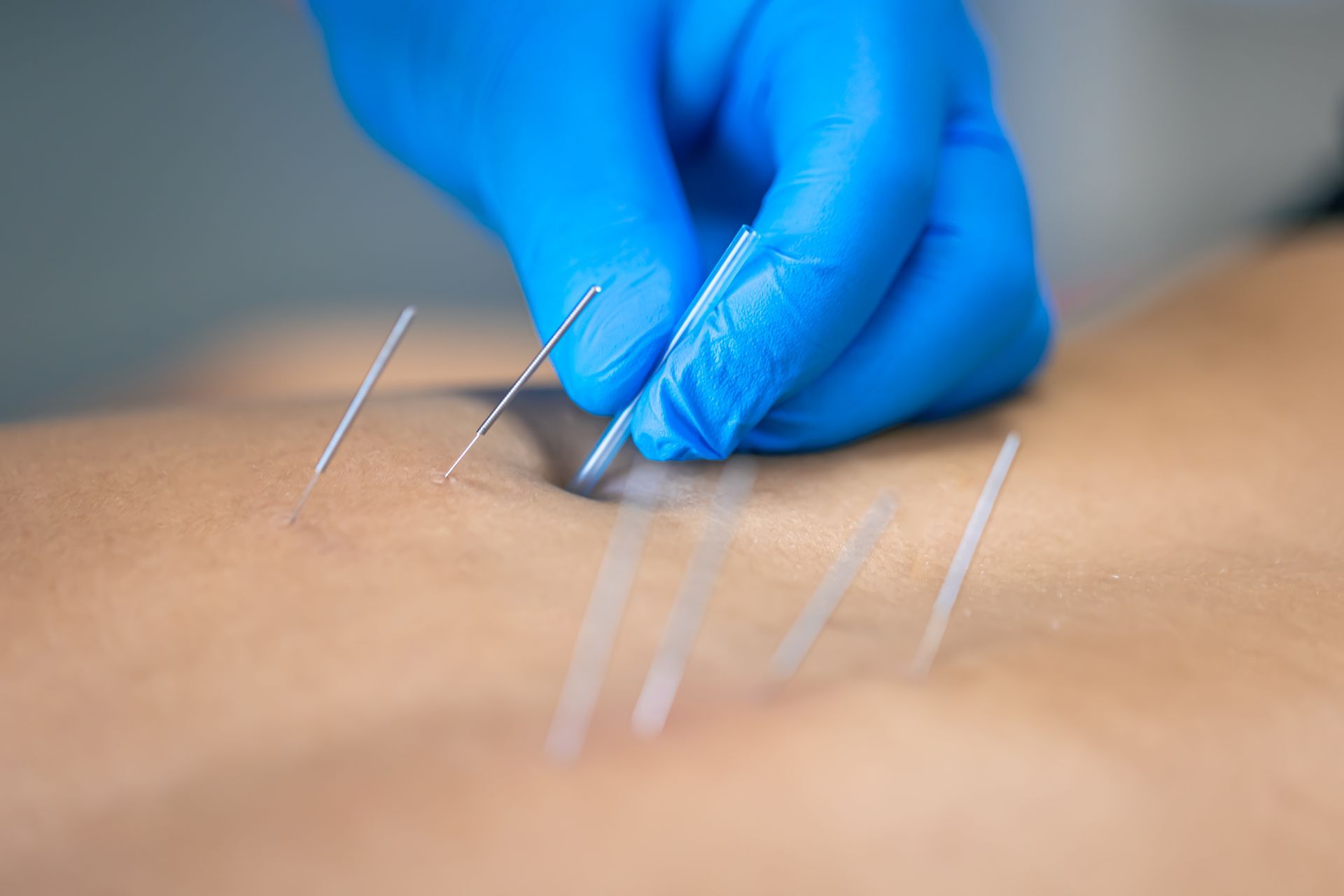
If shockwave therapy isn't appropriate for your condition, we discuss alternatives. Options include physical therapy, dry needling, platelet-rich plasma (PRP) injections, or regenerative medicine approaches. The goal is finding the treatment that matches your condition, timeline, and risk tolerance.
Frequently Asked Questions About Side Effects
Q: How long do side effects last?
A: Most side effects resolve within 3-7 days. Soreness typically peaks at 24-48 hours and fades by day 5. Bruising can last 7-10 days but doesn't affect function.
Q: Can I drive after treatment?
A: Yes, unless the treatment area is your foot or ankle and you experience significant soreness. Most patients drive themselves home without issues.
Q: Will I need pain medication?
A: Most patients don't. Over-the-counter acetaminophen (Tylenol) is sufficient for those who need it. Avoid NSAIDs for 48 hours after treatment.
Q: Can I exercise the same day?
A: Light exercise is fine. Avoid high-impact activities, heavy lifting, or movements that directly stress the treated area for 48 hours.
Q: Is the treatment itself painful?
A: It's uncomfortable but tolerable. Most patients rate it 4-6 out of 10 on a pain scale. The discomfort is brief—sessions last 5-10 minutes.
Q: Will side effects be worse with each session?
A: Usually not. Many patients find that side effects decrease with subsequent sessions as the tissue adapts.
Q: Can I ice the area after treatment?
A: Wait 24 hours before icing. Immediate icing can blunt the inflammatory response, which is part of the healing process.
Q: What if I have a competition or race coming up?
A: Schedule treatment at least 7-10 days before the event to allow side effects to resolve. Some athletes prefer to wait until after competition to start treatment.
Conclusion
Side effects from shockwave therapy are typically mild, temporary, and manageable. The most common experiences, like soreness, bruising, and temporary pain increase, are part of the healing process, not signs of harm. Serious complications are rare when treatment is performed by a trained provider who follows proper protocols.
For athletes, the benefits often outweigh the temporary discomfort. Most patients return to training within 48 hours and experience significant improvement in chronic pain that hasn't responded to other treatments. The key is setting realistic expectations, following post-treatment guidelines, and communicating with your provider about your recovery timeline.
If you're dealing with a sports injury that's limiting your performance or keeping you out of training, shockwave therapy may be worth considering. The treatment has helped hundreds of athletes in our Cumming, GA, practice return to the activities they love without surgery or long-term medication use.
Book your appointment at Empower Sports Chiropractic to discuss whether shockwave therapy is right for your condition. We'll assess your injury, explain the treatment process, and create a plan that fits your training schedule and recovery goals.
Medical Disclaimer
This article is for informational purposes only and does not constitute medical advice. The information provided is based on clinical experience and published research but should not replace consultation with a qualified healthcare provider. Individual results may vary. Always consult with a licensed healthcare professional before starting any new treatment. If you experience severe pain, swelling, or other concerning symptoms after shockwave therapy, seek immediate medical attention.
The patient experiences described in this article represent typical outcomes and are composite examples based on common treatment patterns. Individual results will vary based on condition severity, overall health, adherence to post-treatment protocols, and other factors.
About the Author
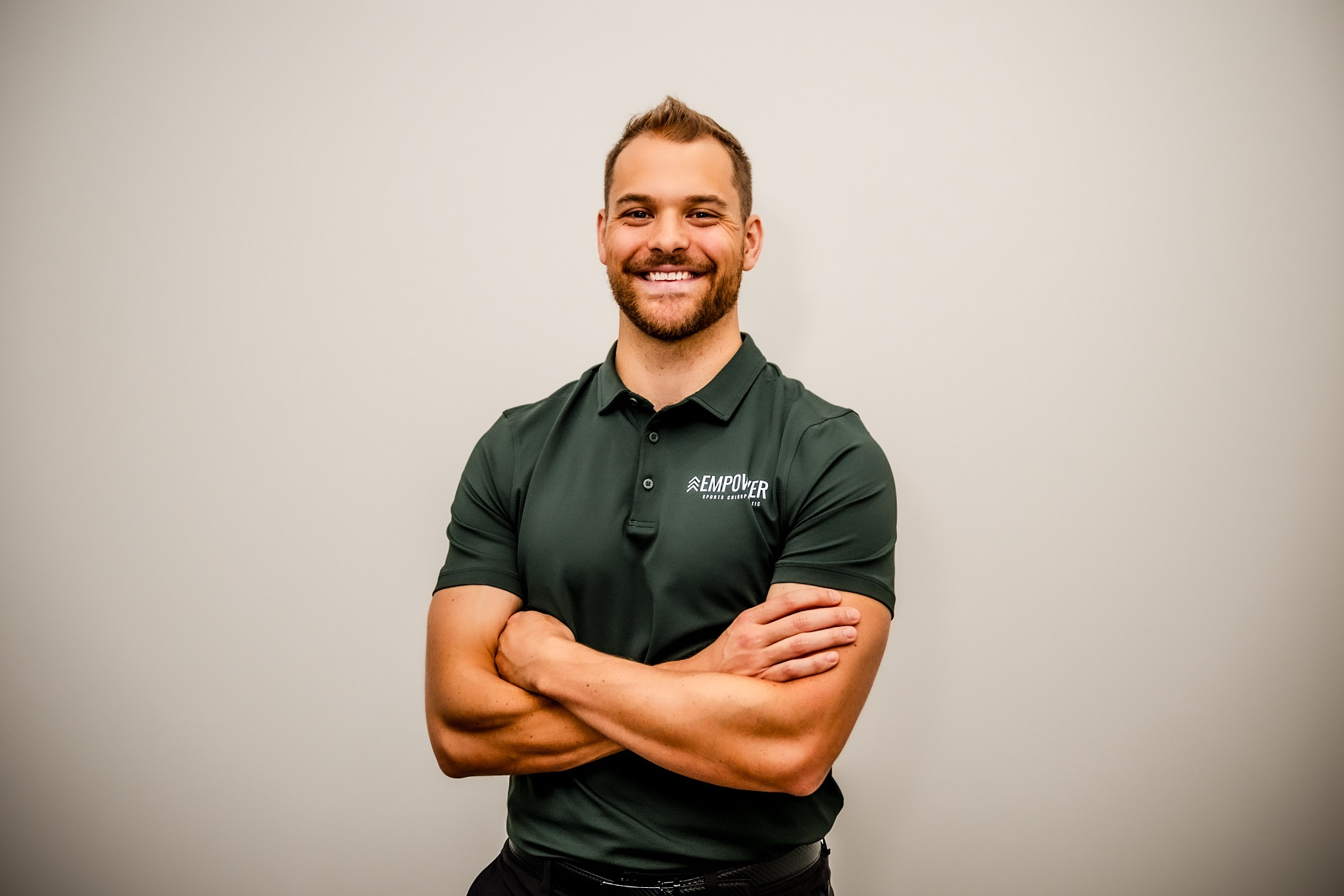
Dr. Jared Croskey, DC, ATC, GTS is a sports chiropractor and Team Chiropractor for Georgia Tech Football. As an Athletic Trainer Certified (ATC) professional with over 12 years of experience, he specializes in non-surgical treatment of sports injuries at Empower Sports Chiropractic in Cumming, GA. Dr. Croskey has treated hundreds of athletes with SoftWave shockwave therapy, helping them return to peak performance without surgery or long-term medication. His approach combines evidence-based assessment, advanced modalities (SoftWave, dry needling, ART, Graston), and performance-focused rehabilitation. Dr. Croskey's experience working with Division I athletes at Georgia Tech informs his pragmatic, results-driven approach to treating everyone from weekend warriors to elite competitors.
Connect with Dr. Croskey: Practice Website | Book Appointment
Get Back in the Game, Pain-Free
Recover faster and move better with expert sports chiropractic care.
Pro Tips for Athletes & Active Lifestyles
Stay ahead with chiropractic insights, recovery strategies, and performance hacks.
Contact Us
We will get back to you as soon as possible.
Please try again later.
SHARE THIS
Latest Posts