Why You Must Wait 4 to 6 Weeks After a Corticosteroid Injection for Shockwave Therapy
By Dr. Jared Croskey • August 3, 2026

For competitive athletes and dedicated runners, time away from training is the ultimate setback. When a severe injury threatens your season, your natural instinct is to throw every available resource at the problem to force a rapid recovery. However, pairing a standard medical pain-relief procedure with high-performance
acoustic soundwave therapy can trigger an invisible cellular tug-of-war inside your tendons. Instead of doubling your healing rate, this common sequencing error forces your body's healing mechanisms to work directly against each other.
If you want to avoid wasting weeks of training time and ensure your soft tissues actually rebuild stronger, you must master the precise biological timing that elite sports medicine programs use to sequence these powerful modalities.
TL;DR: The Quick Recovery Rule
- The Conflict: Corticosteroid injections suppress inflammation and local blood flow, while focused shockwave therapy actively stimulates inflammation and blood vessel growth to rebuild tissue.
- The Timeline: You must wait a minimum of 4 to 6 weeks after a steroid injection before starting focused shockwave therapy.
- The Risk: Administering shockwave therapy too early neutralizes the regenerative effects of the acoustic waves, wasting your clinical investment.
- The Solution: Sequence your treatments correctly to allow the steroid's suppressive effects to clear before kick-starting tissue remodeling.
Optimize Your Recovery Timeline: You can schedule a 45-minute evaluation at Empower Sports Chiropractic today to build a scientifically sequenced rehabilitation plan.
Schedule a 45-minute evaluationThe Corticosteroid Mechanism: Pressing the "Brake" on Inflammation
To understand why these two popular treatments conflict, you must first examine what happens inside your tissue during a corticosteroid injection. Clinicians frequently recommend corticosteroids for rapid pain relief in cases of severe joint pain, plantar fasciitis, or chronic tendinopathy. These injections deliver a highly concentrated dose of synthetic hormones directly to the site of injury.
Once injected, the corticosteroid performs several specific physiological actions:
- Suppresses the Inflammatory Cascade: The steroid rapidly down-regulates the production of inflammatory mediators, including prostaglandins and leukotrienes, which immediately reduces swelling and pain.
- Constricts Local Blood Vessels: It decreases local blood flow to the injured area, which helps limit the accumulation of inflammatory cells.
- Inhibits Cellular Activity: It suppresses the activity of fibroblasts, the specialized cells responsible for synthesizing collagen and repairing connective tissue.
- Halts Growth Factor Signaling: It temporarily shuts down the signaling pathways that recruit new healing cells to the injured site.
This process is highly effective for short-term pain suppression. By shutting down the inflammatory response, the steroid provides a powerful, temporary window of symptomatic relief. However, this relief comes at a biological cost: the local tissue-repair process is placed on a complete, temporary hold. Clinical studies indexed in the National Institutes of Health (NIH) database demonstrate that local corticosteroid administration significantly reduces tensile strength and delays collagen synthesis in tendons during the early recovery phases.
The Shockwave Mechanism: Pressing the "Gas" on Tissue Repair
Patients can access advanced
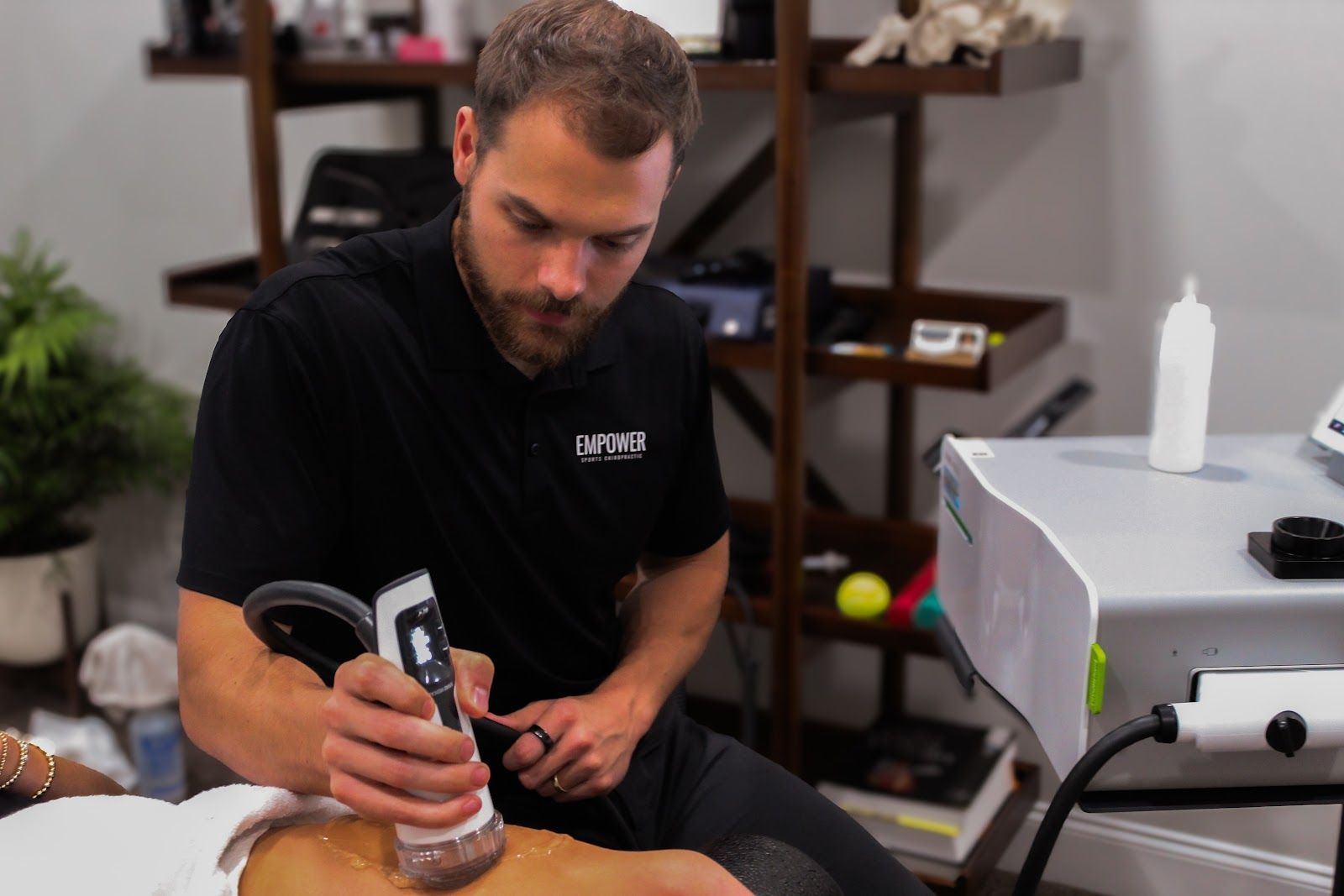
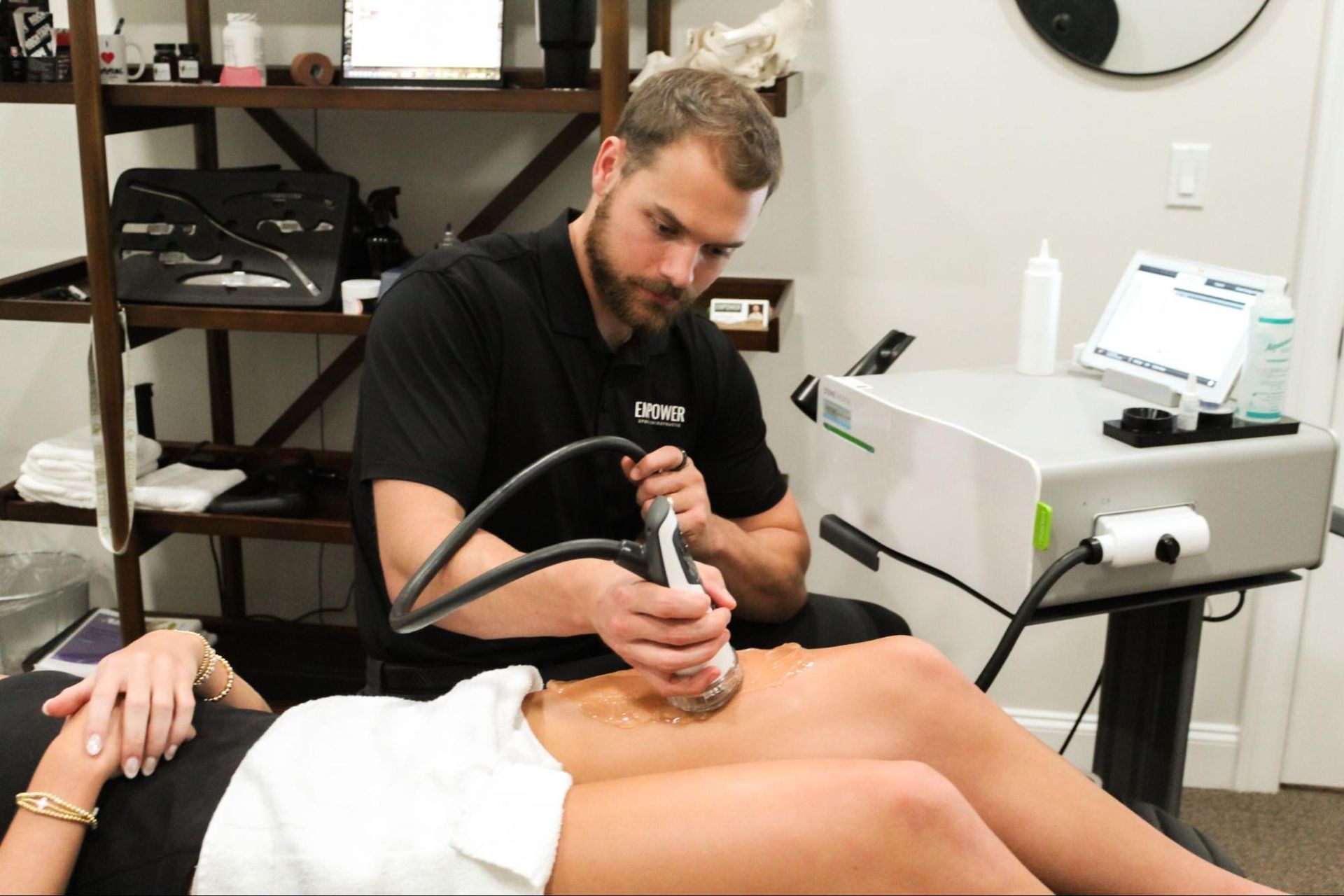
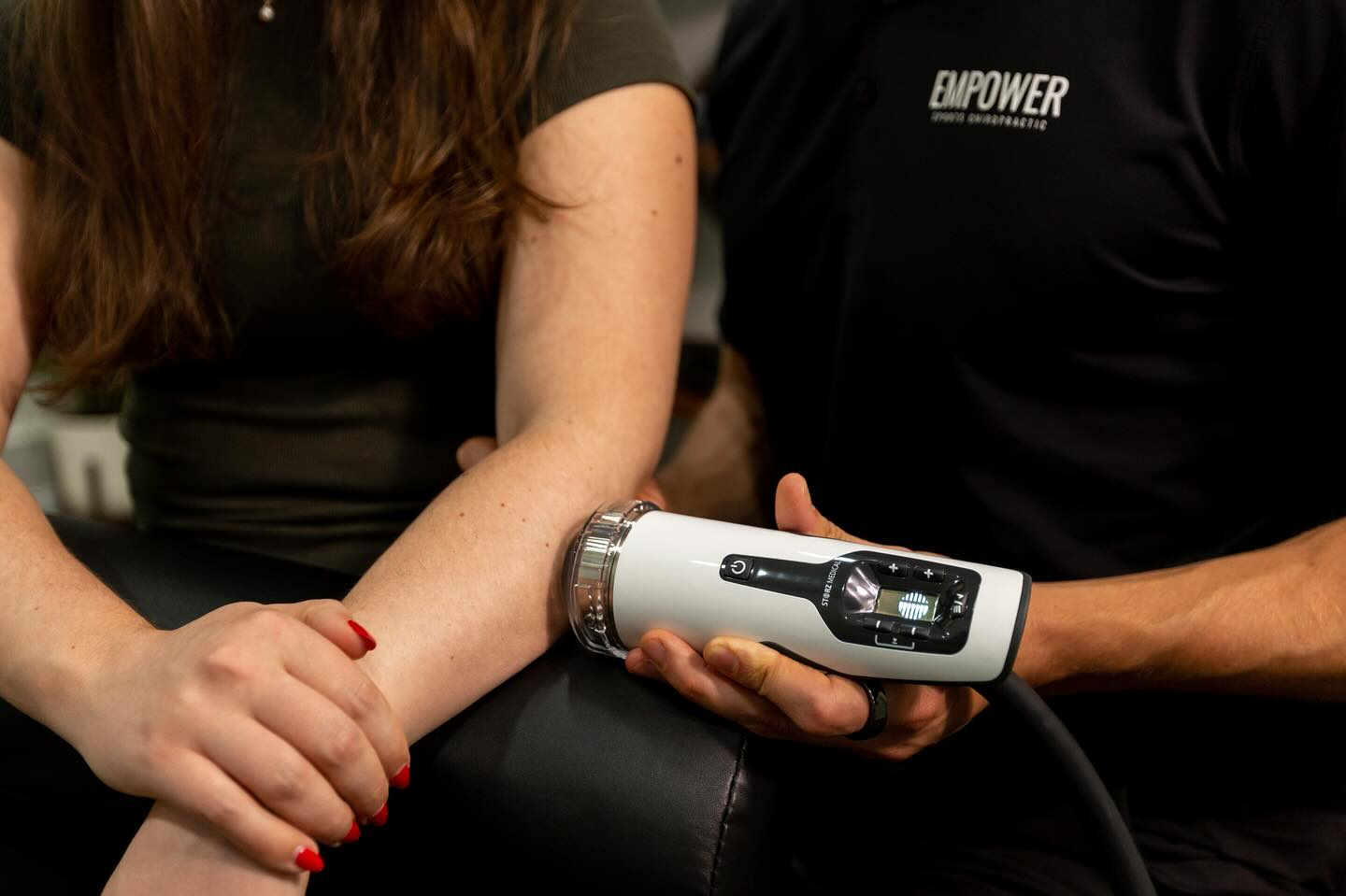
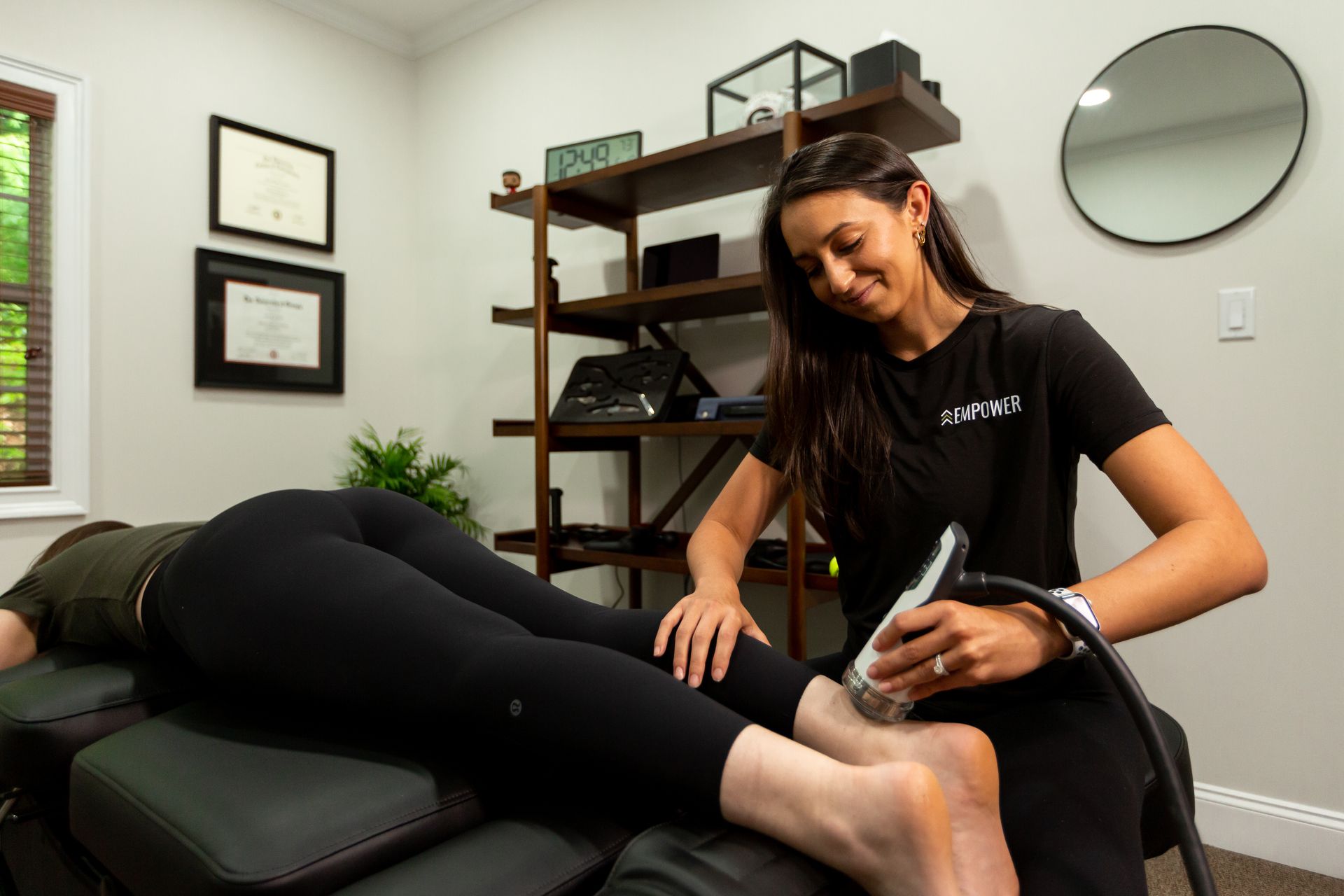
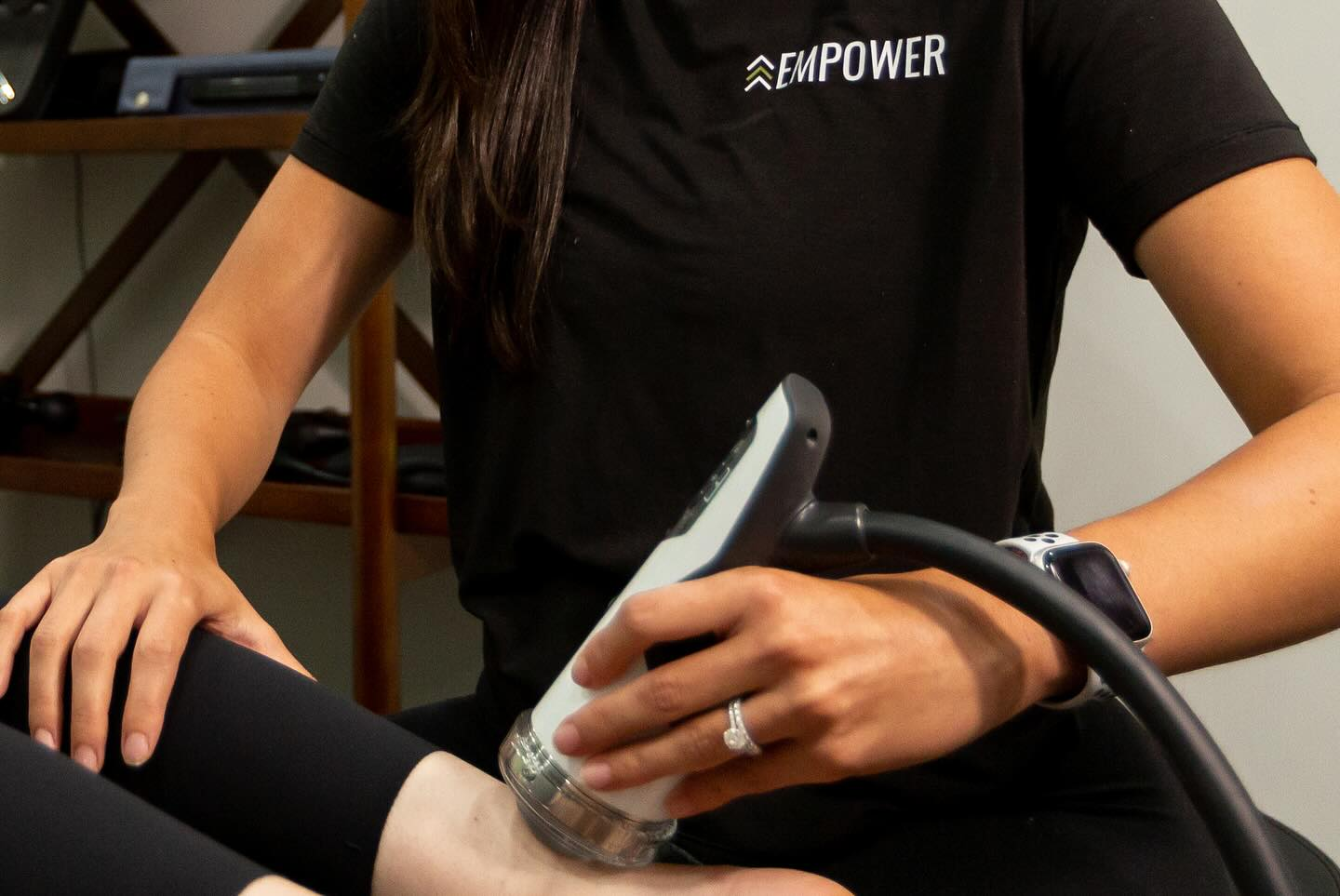
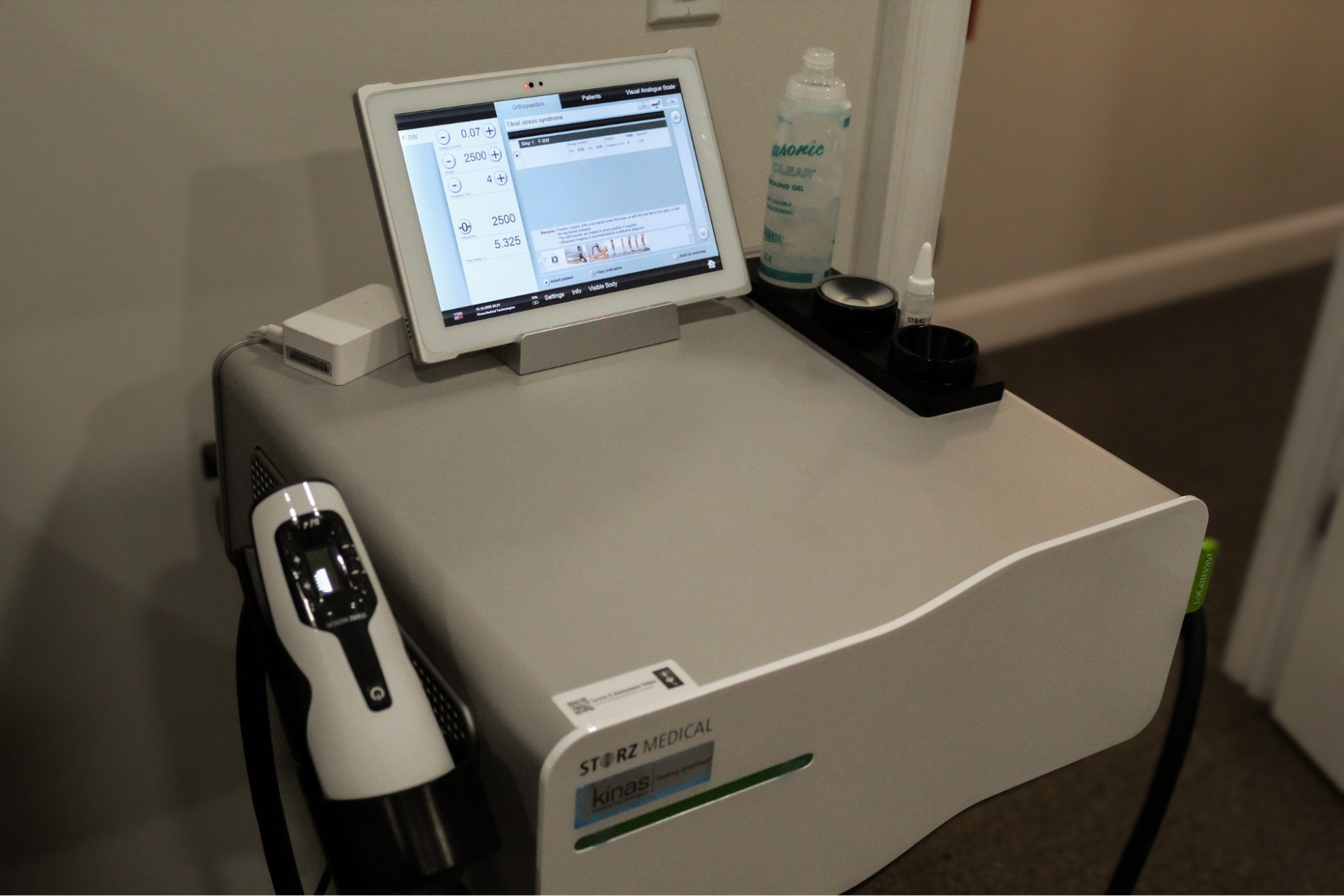
shockwave therapy at our Cumming clinic(also known as acoustic soundwave therapy) to initiate deep, non-invasive tissue repair. Instead of suppressing biological activity, this modality uses high-energy acoustic waves to deliberately restart the body's natural healing mechanisms.
When these acoustic waves penetrate damaged soft tissue, they initiate a process called mechanotransduction. This mechanical stimulation triggers a series of regenerative cellular events:
- Initiates Controlled Inflammation: The acoustic energy creates micro-trauma in the chronic, degenerated tissue, which restarts a healthy, controlled inflammatory response.
- Promotes Angiogenesis: It stimulates the expression of growth factors, such as Vascular Endothelial Growth Factor (VEGF), which commands the body to grow new blood vessels and restore blood flow to the damaged area.
- Activates Fibroblasts: It recruits and activates fibroblasts, prompting them to lay down new Type I collagen fibers to rebuild the structural integrity of tendons and ligaments.
- Releases Healing Factors: It triggers the release of nitric oxide and other essential signaling molecules that accelerate cellular repair.
According to research published in PubMed Central (PMC), focused shockwave therapy actively up-regulates transforming growth factor-beta1 (TGF-β1) and insulin-like growth factor 1 (IGF-1), which are the primary biological drivers of soft-tissue regeneration.
The Physiological Collision: Why They Cancel Each Other Out
When you look at these two modalities side-by-side, the biological conflict becomes obvious. One treatment is designed to stop inflammation, reduce blood flow, and halt cellular activity. The other treatment is designed to stimulate inflammation, increase blood flow, and accelerate cellular activity.
To illustrate this cellular tug-of-war, the table below contrasts the primary physiological effects of each treatment:
| Physiological Parameter | Corticosteroid Injections ("The Brake") | Focused Shockwave Therapy ("The Gas") |
|---|---|---|
| Primary Clinical Goal | Rapid pain suppression & symptom management | Structural tissue remodeling & long-term repair |
| Inflammatory Response | Actively suppresses the inflammatory cascade | Initiates a controlled, healthy inflammatory response |
| Local Blood Flow | Constricts blood vessels (decreases circulation) | Stimulates angiogenesis (grows new blood vessels) |
| Fibroblast Activity | Inhibits fibroblast proliferation & collagen synthesis | Recruits & activates fibroblasts to lay down collagen |
| Growth Factor Signaling | Shuts down local cellular signaling pathways | Up-regulates essential growth factors (VEGF, eNOS) |
| Tissue Impact | Temporarily weakens tendon structural integrity | Restores structural strength & tissue elasticity |
In my experience managing elite collegiate athletes at Georgia Tech, I often explain that starting focused shockwave therapy immediately after a steroid injection is like pressing the gas pedal and the brake pedal at the same time. One treatment is trying to slow down the biological healing process to suppress pain, while the other is trying to kick-start that exact same process to rebuild tissue.
If you receive shockwave therapy while the corticosteroid is still active in your tissue, the steroid's powerful anti-inflammatory signaling will completely block the regenerative commands of the acoustic waves. The acoustic waves will still penetrate the tissue, but the suppressed fibroblasts will be unable to respond, and the constricted blood vessels will be unable to deliver the necessary healing factors.
Ultimately, administering these treatments simultaneously neutralizes the benefits of the acoustic waves. You are essentially paying for two highly effective therapies that are actively working to cancel each other out, stalling your physical recovery and wasting your clinical investment.
The 4-to-6-Week Sweet Spot: When to Transition to Regenerative Care
To maximize your recovery and protect your tissue, you must allow the local concentration of the corticosteroid to decline before introducing regenerative modalities. In my clinical practice, and during my tenure managing collegiate athletes at Georgia Tech, I observe a strict waiting period of 4 to 6 weeks after a steroid injection before initiating focused shockwave therapy.
This 4-to-6-week window is determined by the biological clearance rate of the steroid. During this time, several critical transitions occur:
- Steroid Clearance: The synthetic hormones gradually clear from the local tissue, allowing the natural cellular environment to normalize.
- Restoration of Cellular Responsiveness: Fibroblasts and local stem cells regain their ability to respond to mechanical signaling and growth factor commands.
- Vascular Normalization: Local blood vessels recover their natural dilatory capacity, preparing the area to receive increased blood flow.
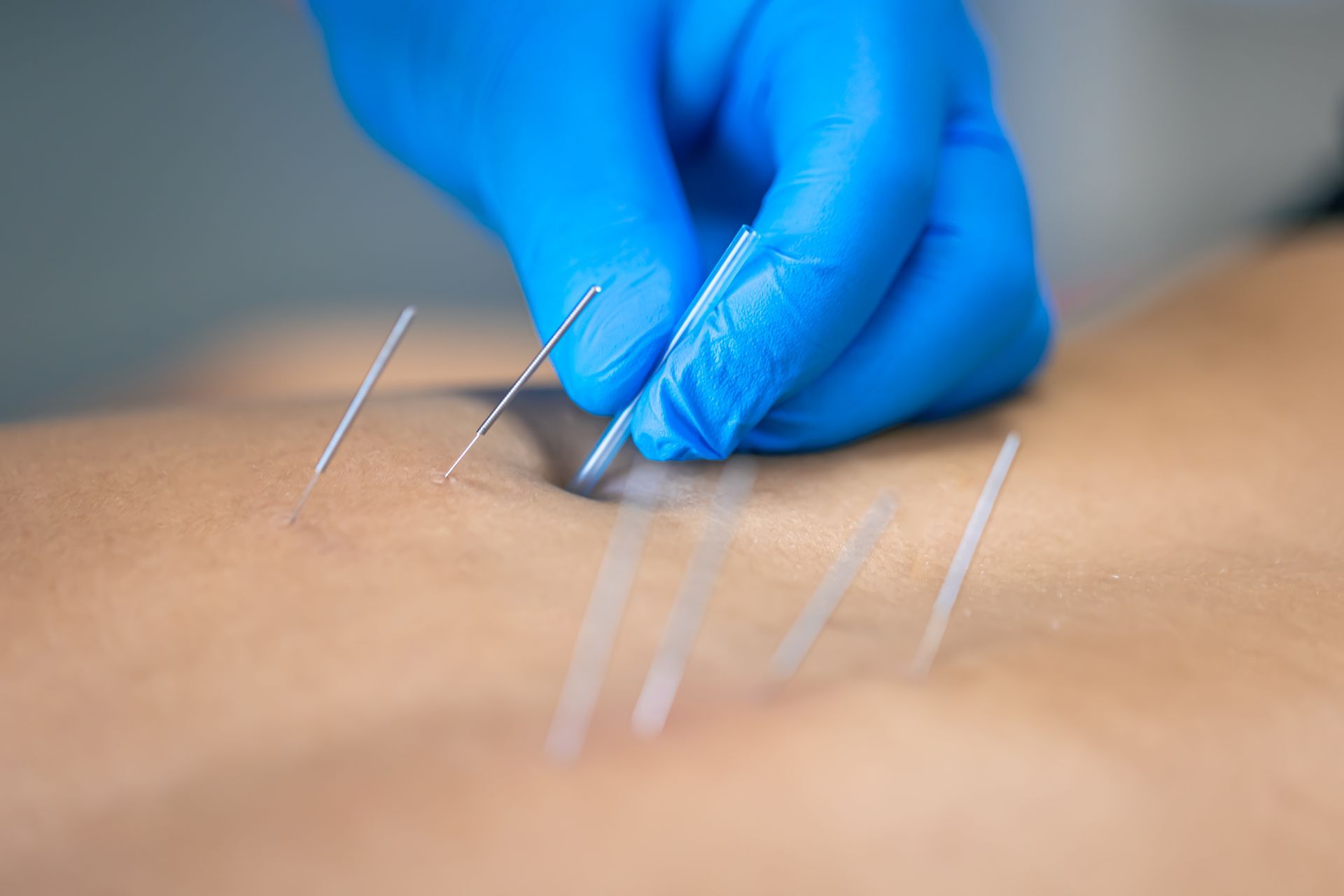
During this waiting period, you do not have to halt your rehabilitation entirely. We utilize safe, complementary therapies that manage pain and maintain mobility without interfering with the steroid's activity. For example, incorporating
targeted dry needling therapy allows us to release protective muscle guarding and manage neuromuscular tension in the surrounding tissues safely.
Once the 4-to-6-week window closes, we can safely introduce focused shockwave therapy to initiate deep, structural tissue remodeling. This sequenced approach ensures that your body is biologically primed to respond to the acoustic waves, leading to faster, more resilient healing.
Building a Smarter, Evidence-First Recovery Plan
At Empower Sports Chiropractic, we believe in playing the long game when it comes to your physical health. Temporary pain masking has its place in acute management, but true athletic longevity requires restoring the structural integrity of your joints, muscles, and tendons.
By understanding the delicate cellular timeline of soft-tissue healing, we can design a highly customized, sequenced rehabilitation program that respects your biology. In addition to advanced modalities like shockwave and dry needling, we often integrate
precise chiropractic adjustments to optimize joint mechanics and reduce abnormal stress on your recovering tissues. This comprehensive, evidence-first approach ensures that every treatment you receive builds directly upon the last, moving you steadily toward pain-free, high-performance living.
Ready to Perform Without Pain?
Do not let a simple scheduling mistake stall your recovery. Whether you are a competitive athlete training in North Georgia or an active resident here in Cumming, our team is here to help you navigate your rehabilitation with scientific precision.
Take Control of Your Recovery: You can
schedule a 45-minute evaluation at Empower Sports Chiropractic today to build a smarter, biologically optimized recovery plan.
About the Author
Dr. Jared Croskey, DC is the founder and Clinical Director of Empower Sports Chiropractic in Cumming, Georgia. He earned his Doctor of Chiropractic degree with a specialization in sports rehabilitation and soft-tissue therapies. Dr. Croskey previously served as the Team Chiropractor for Georgia Tech Football, where he managed elite collegiate athletes and developed sequenced recovery protocols for complex soft-tissue injuries. He specializes in combining joint adjustments, focused shockwave therapy, dry needling, and corrective exercise to help active individuals perform without pain.
Get Back in the Game, Pain-Free
Recover faster and move better with expert sports chiropractic care.
Pro Tips for Athletes & Active Lifestyles
Stay ahead with chiropractic insights, recovery strategies, and performance hacks.
Contact Us
We will get back to you as soon as possible.
Please try again later.
SHARE THIS