
Shockwave Therapy Uses: Conditions You Can Improve Today


By Dr. Jared Croskey February 12, 2026

Shockwave therapy offers a non‑surgical solution for many musculoskeletal problems.


It's a targeted way to reduce pain and help tissues heal.


This guide explores conditions that respond well to shockwave treatment.  You'll learn how the treatment works, when it's a good choice, and what outcomes to expect.


We'll walk you through the process to help you decide if it's right for you

How Shockwave Therapy Helps Musculoskeletal Conditions

Shockwave therapy delivers controlled acoustic waves to injured areas. This encourages the body’s natural repair processes. The waves boost local blood flow and stimulate collagen formation.


They can also break down scar tissue or small calcifications.


By creating a brief, controlled micro‑injury, the body reactivates its natural healing processes. This reduces pain and restores function.


For many chronic overuse and degenerative conditions, this non-invasive approach offers measurable improvements without surgery

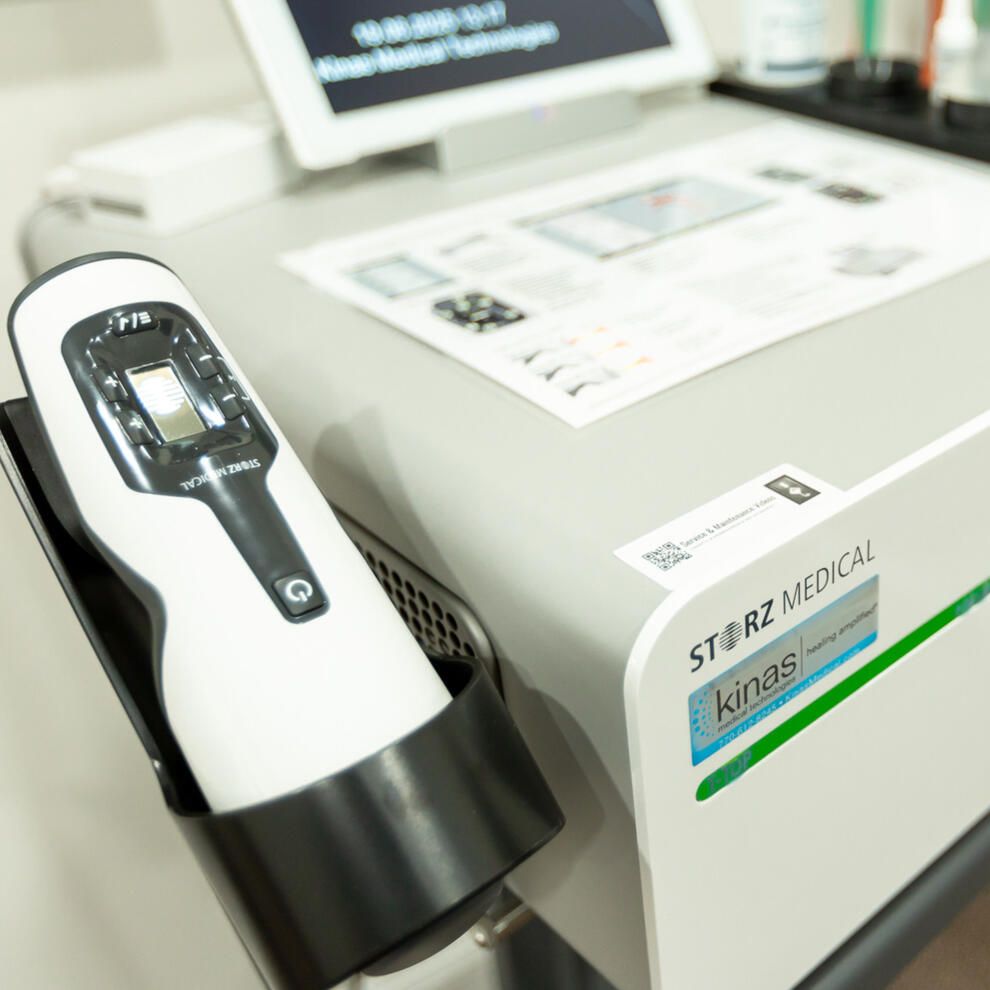
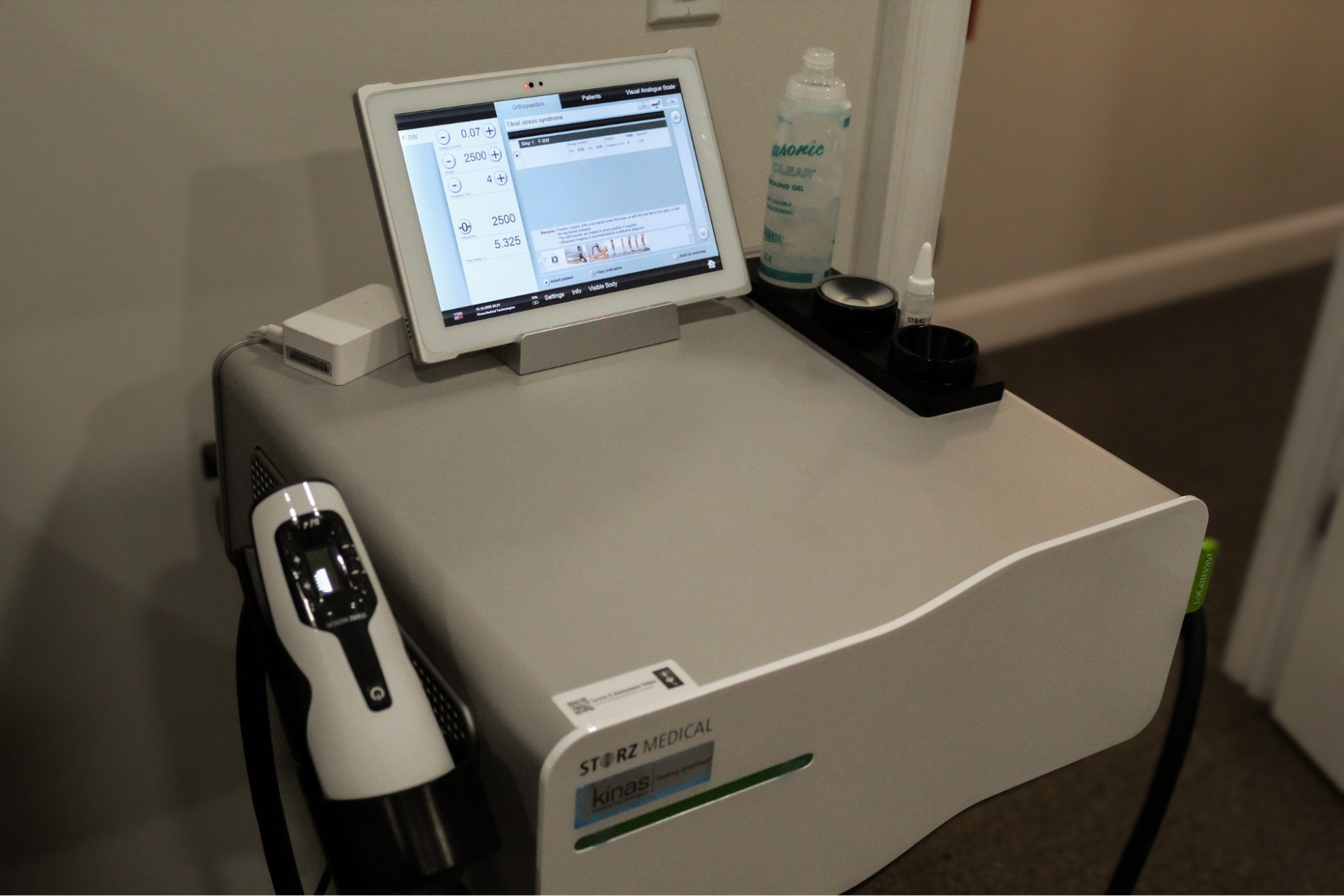
A white and black medical device on a stand, possibly for a clinic, with a tablet in the background.

What Is Shockwave Therapy and Its Types? - Definition and Overview

Shockwave therapy is also known as extracorporeal shockwave therapy (ESWT).

It comes in two main forms: focused and radial.


Focused shockwaves concentrate energy at a precise depth. This is ideal for deeper tendon or joint issues.


Radial shockwaves spread energy over a wider, more superficial area. They are often used for surface tendinopathies and muscle trigger points.


Both formats aim to kick‑start healing and reduce pain. The choice of device and settings depends on your specific condition and treatment goals.

What Is the Mechanism of Action Behind Shockwave Therapy?

The treatment works by provoking a short, controlled biological response in the injured tissue.


Shockwaves create controlled microtrauma, a process often referred to as "rebooting" the healing process. 


Over time, this process boosts collagen remodeling and reduces chronic inflammation. It can also fragment small calcium deposits or scar tissue.


Patients usually experience progressive pain relief and improved mobility as the treated tissues recover.

Which Foot and Ankle Conditions Benefit from Shockwave Therapy?

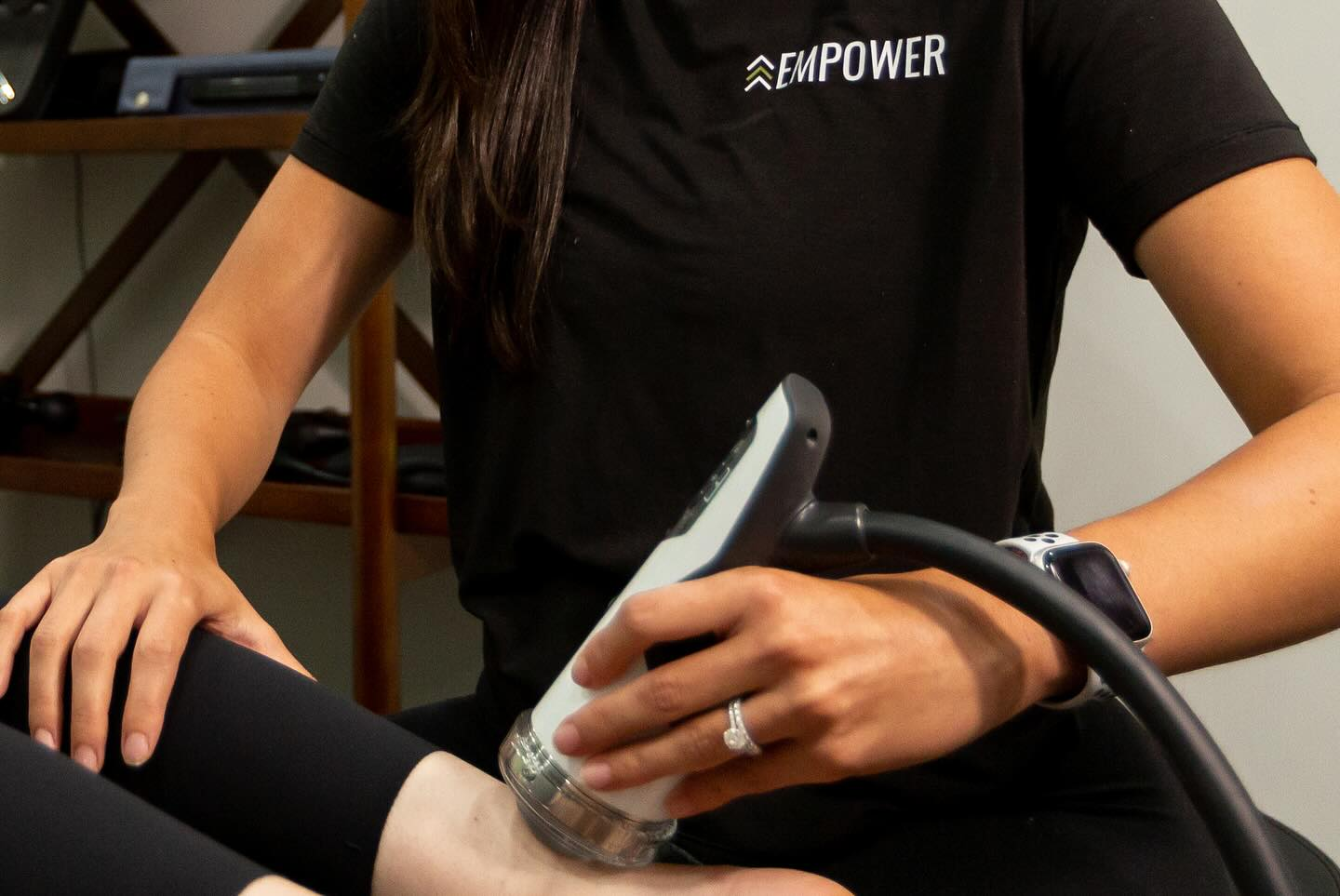
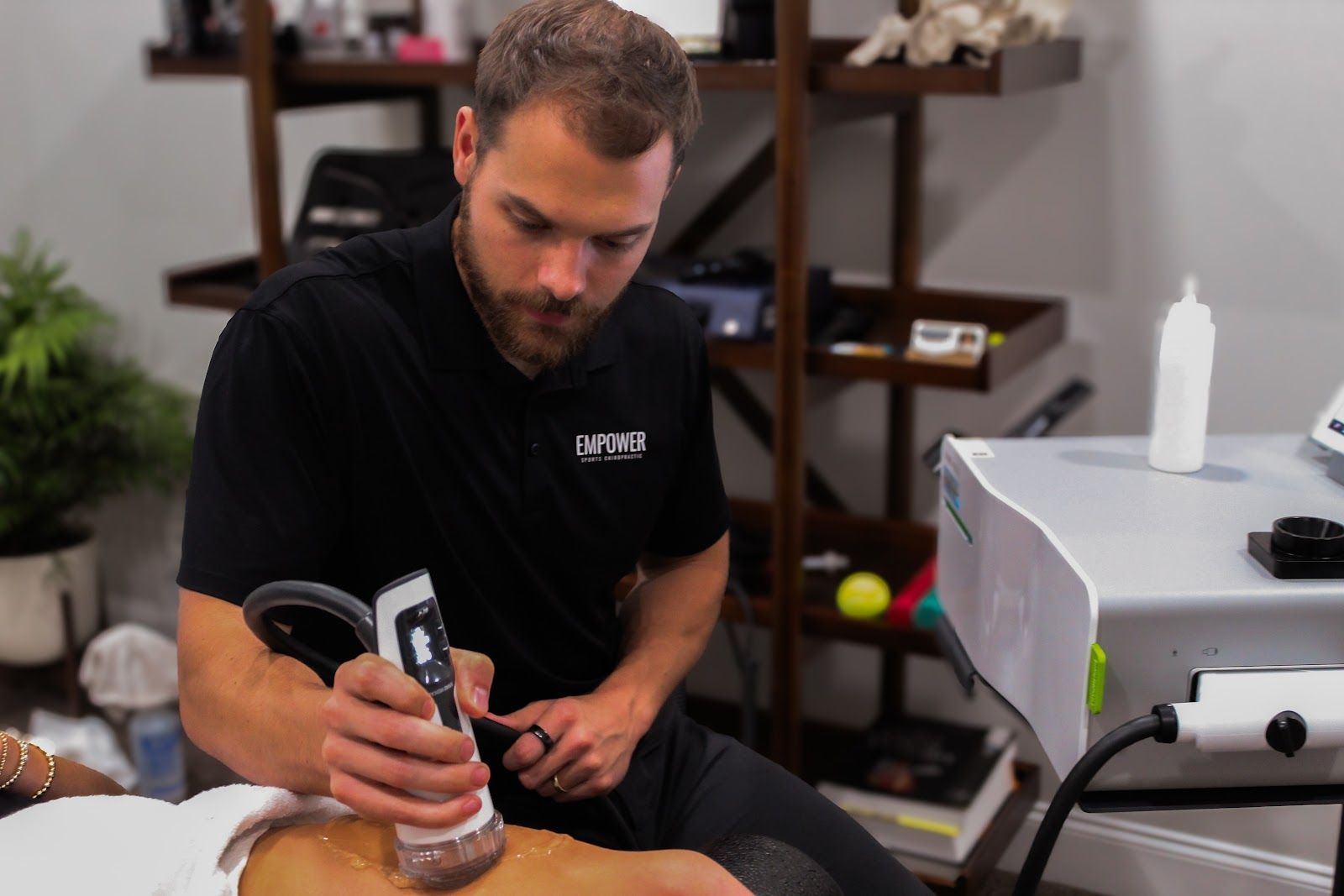
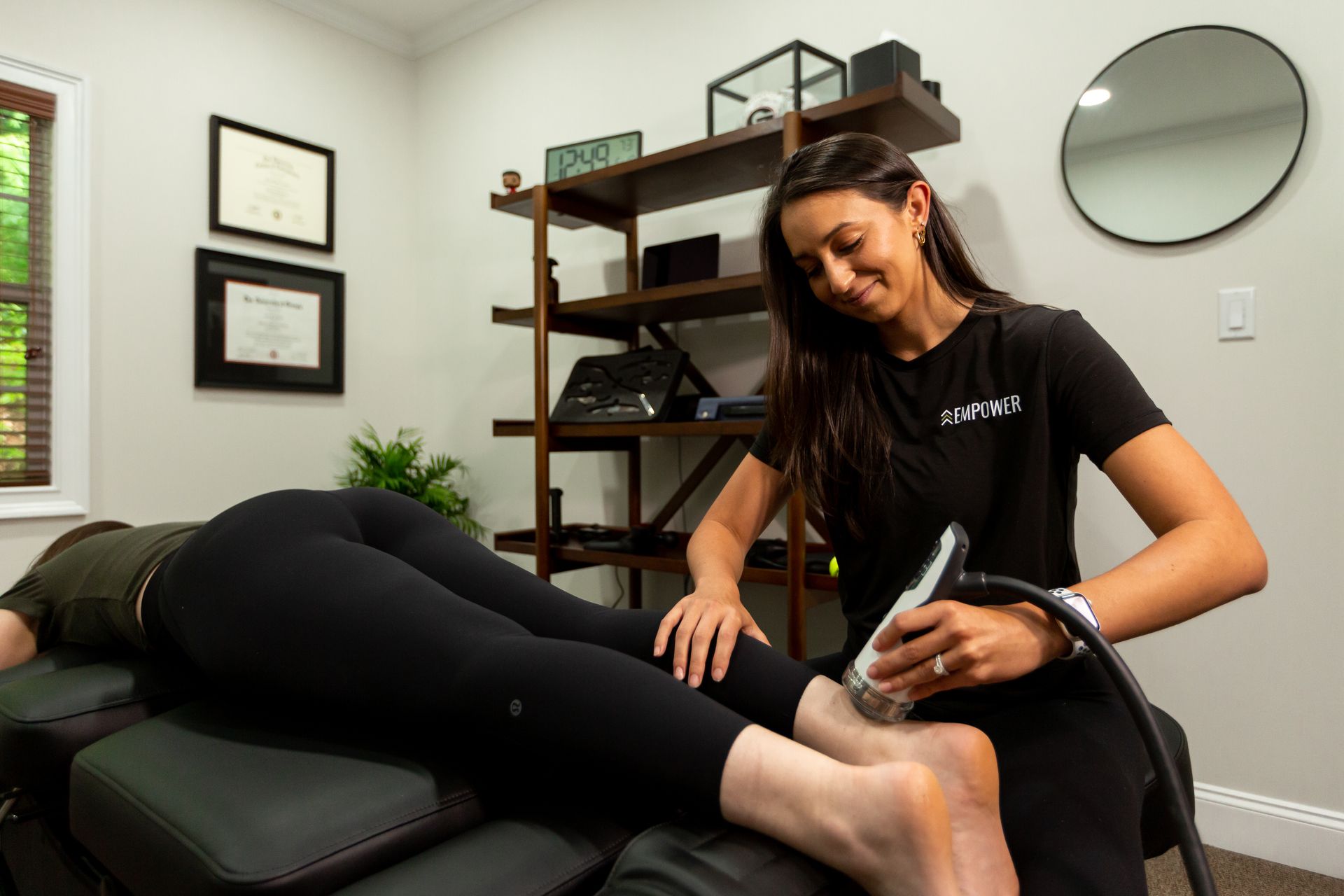
Person holding a device over a foot. They are wearing a black shirt, and a ring is visible.

Shockwave therapy is commonly used for foot and ankle conditions.


These often stem from overuse or tissue degeneration. Such problems frequently cause persistent pain, limiting walking, work, or sport.


When combined with a focused rehab plan, shockwave therapy can reduce pain and improve function. It helps speed a return to normal activity.

How Does Shockwave Therapy Treat Plantar Fasciitis?

Plantar fasciitis involves inflammation and degeneration of the plantar fascia.


It's one of the most common conditions we treat with shockwave therapy.


The acoustic waves encourage blood flow and collagen repair at the heel. This helps reduce pain and stiffness.


Many patients notice steady improvement after a short series of treatments. They can return to walking and exercise with less discomfort.


Clinical studies support shockwave therapy as an effective option for plantar fasciitis, Achilles tendinopathy, and patellar tendinopathy. It is most effective when used as part of a comprehensive care plan.

What Are the Effects of Shockwave Therapy on Achilles Tendinopathy?

Achilles tendinopathy involves tendon degeneration, pain, and reduced load tolerance.


Shockwave therapy increases local circulation and stimulates the repair response in the tendon. This can reduce pain and improve function.


With a structured rehab progression, many patients regain mobility. They return to activity with less pain after completing their treatment course.

What Knee and Leg Injuries Are Effectively Treated with Shockwave Therapy?

Overuse injuries in the knee and lower leg are common, especially in athletes and active people. Shockwave therapy offers a non‑invasive way to speed tissue recovery and relieve chronic pain. When combined with strengthening and movement retraining, it helps restore function and reduce recurrence.

How Does Shockwave Therapy Help Patellar Tendinopathy?

Patellar tendinopathy, also known as jumper’s knee, causes pain at the patellar tendon.

This pain results from repetitive loading.


Shockwave treatment stimulates collagen remodeling and local blood flow in the tendon. This helps reduce pain and improve tensile strength.


Many athletes experience reduced symptoms. They can progress back to sport after a course of therapy plus a tailored rehab program.

Can Shockwave Therapy Alleviate Shin Splints?

Shin splints (medial tibial stress syndrome) cause diffuse pain along the shin.  They are common in runners.


Shockwave therapy can assist healing in the affected muscles and connective tissue. It does this by increasing circulation and lowering chronic inflammation. It's often most effective when paired with gait analysis and load‑management strategies.

Which Shoulder and Elbow Conditions Respond to Shockwave Therapy?

Shoulder and elbow tendinopathies can impair daily tasks and sporting movements.


Shockwave therapy is used to reduce pain, dissolve small calcifications, and support tissue repair in these areas.


Treatment is typically one component of a broader recovery plan. This plan includes exercise and manual therapy.

How Is Shockwave Therapy Used for Calcific Tendonitis?

Calcific tendonitis occurs when calcium deposits build up in the rotator cuff tendons. This causes pain and limited motion.


Focused shockwave therapy can help fragment these deposits. It also stimulates healing in the surrounding tissue, easing pain and improving range of motion.


For many patients, ESWT is an effective, minimally invasive alternative to surgery. This is especially true when conservative care hasn’t resolved symptoms.


The role, mechanisms, and outcomes of ESWT for calcific tendonitis have been examined in the literature and reviewed by clinical experts.

What Are the Benefits of Shockwave Therapy for Tennis Elbow and Golfer's Elbow?

Tennis elbow and golfer’s elbow cause pain where the forearm tendons attach at the elbow.


Shockwave therapy promotes local healing, increases blood flow, and encourages collagen repair in the injured tendons.


Patients commonly report reduced pain and improved grip strength. This makes it easier to return to the activities they enjoy.

What Other Musculoskeletal Conditions Can Shockwave Therapy Treat?

Beyond the conditions already listed, shockwave therapy may help a range of chronic tendon and muscle problems.


Its versatility means it can be part of treatment for trigger points, chronic strains, and some bursitis or rotator cuff issues. This is always used alongside rehabilitation.

How Does Shockwave Therapy Address Chronic Muscle Strains and Trigger Points?

Chronic strains and myofascial trigger points produce persistent localized pain and stiffness.


Shockwave therapy reduces pain by increasing circulation and stimulating tissue repair in the affected muscles.


Many patients experience decreased sensitivity and improved muscle function. This occurs after a short course of therapy combined with stretching and strengthening work.

Can Shockwave Therapy Help with Hip Bursitis and Rotator Cuff Injuries?

Hip bursitis and rotator cuff injuries respond well to multi‑modal care. This care can include shockwave therapy.


The treatment supports reduced inflammation, better blood flow, and tissue remodeling. This often translates into less pain and improved movement when paired with targeted exercises and manual therapy.

What Should Patients Expect During Their Shockwave Therapy Treatment Journey?

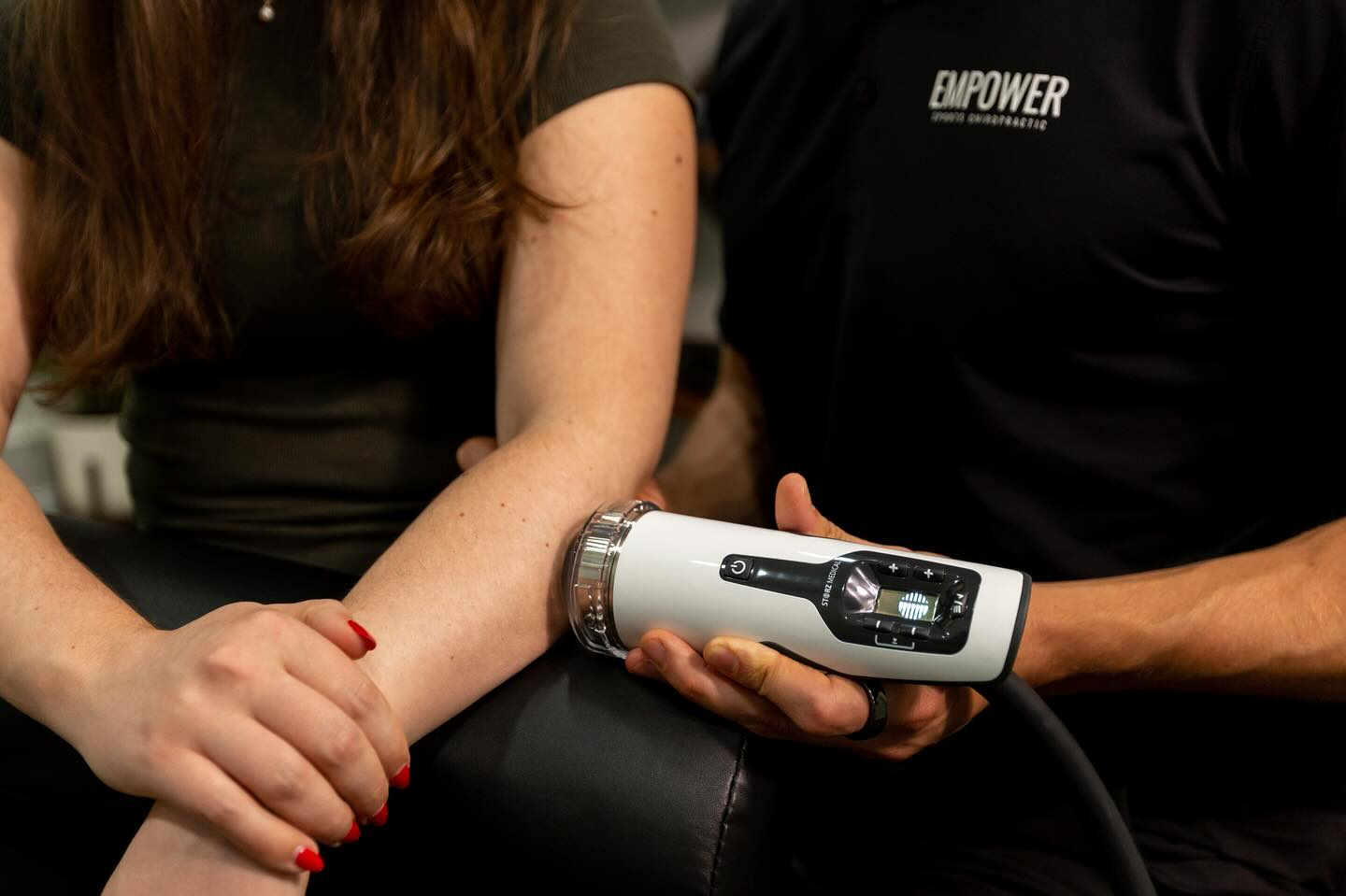
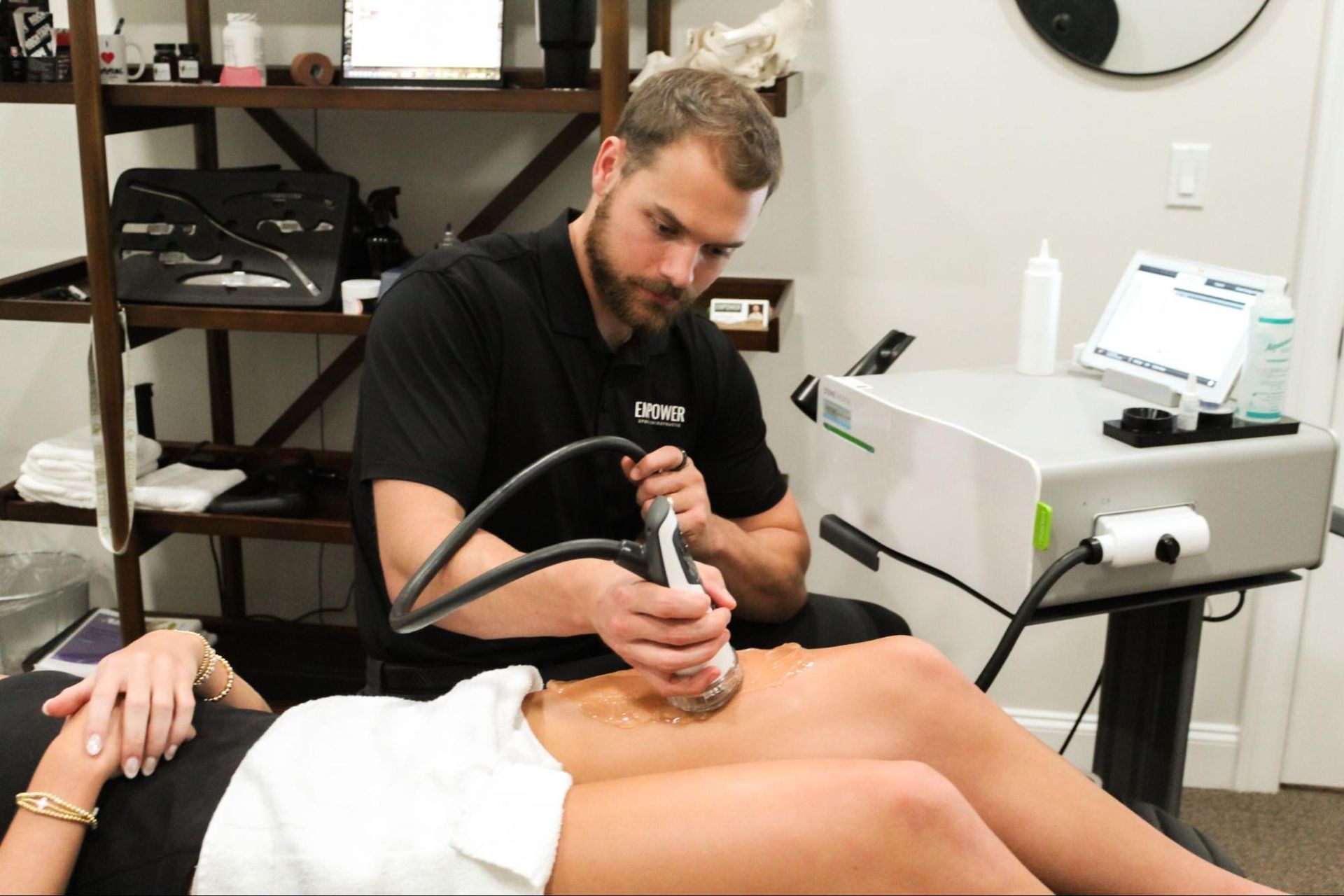
Person holding a device near another person's arm, likely for a health or wellness treatment.

Understanding the visit structure and typical recovery helps set realistic expectations.  Shockwave therapy is usually quick, outpatient care. It complements a larger rehabilitation plan. Your clinician will assess and adapt the approach to meet your specific needs.

What Is the Initial Assessment Process for Shockwave Therapy?

Before starting treatment, we perform a focused assessment. This may include a physical exam, movement testing, and a review of your medical history. Imaging (like an ultrasound or X‑ray) is used when needed to confirm the diagnosis.


Based on this evaluation, we’ll discuss whether shockwave therapy is appropriate. We will also outline expected outcomes and the rehab plan.

How Are Shockwave Therapy Sessions Conducted and What Is the Recovery Like?

Sessions typically last 15–30 minutes.


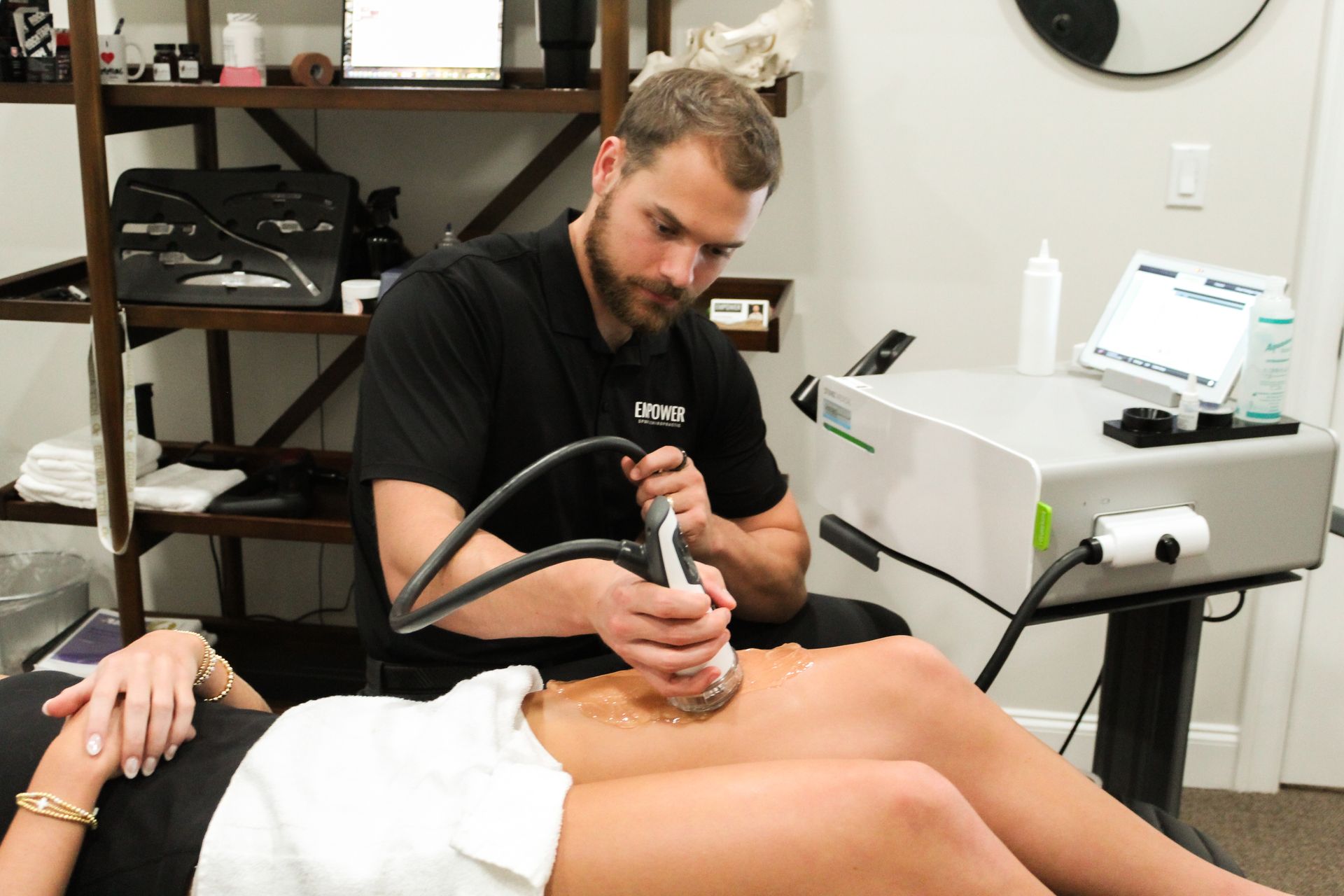
During treatment, a clinician applies the shockwave device to the problem area. You may feel brief discomfort, but most patients tolerate the procedure well.


After a session, you can usually return to normal activities. Mild soreness for 24–72 hours is common.


Many people notice improvements after a few sessions. Best results are often seen after completing the full recommended series combined with guided rehabilitation.


Different conditions treated with shockwave therapy can be compared based on their treatment methods and expected outcomes.

Condition Treatment Method Expected Outcome
Plantar Fasciitis Shockwave therapy sessions Reduced heel pain and improved walking ability
Achilles Tendinopathy Focused shockwave therapy Improved tendon healing and pain relief
Patellar Tendinopathy Radial shockwave therapy Less pain and restored knee function
Calcific Tendonitis Focused shockwave therapy Breakdown of calcifications and reduced shoulder pain
Tennis Elbow Radial shockwave therapy Improved tendon health and reduced pain

This overview shows how shockwave therapy in Cumming can be applied across conditions.


Patients typically seek less pain, better function, and a faster, non‑surgical path back to activity.

Conclusion

Shockwave therapy is a safe, non‑invasive tool. It supports healing for a variety of tendon and soft‑tissue problems. 


By increasing circulation, encouraging collagen repair, and helping resolve small calcifications, it eases pain and restores function. This applies to conditions like plantar fasciitis, Achilles tendinopathy, and calcific tendinosis.


If you’d like to know whether shockwave therapy is a good fit for your situation, explore our services or schedule an assessment to discuss a tailored plan.

 Get Back in the Game, Pain-Free

Recover faster and move better with expert sports chiropractic care.


Pro Tips for Athletes & Active Lifestyles

Stay ahead with chiropractic insights, recovery strategies, and performance hacks.

Contact Us

SHARE THIS

Latest Posts

Two seated people, one holding a white handheld device with a screen, against a plain background
By Dr. Jared Croskey August 3, 2026
Learn why you must wait 4 to 6 weeks after a corticosteroid injection before shockwave therapy, and how proper sequencing accelerates your recovery.
White medical device with touchscreen and handheld wand in a hallway, with a bottle on top.
By Dr. Jared Croskey July 2, 2026
Discover how shockwave therapy works to heal chronic pain. Learn about the acoustic soundwave process, what to expect during your session, and recovery timelines.
Man using an electric clipper on a client’s back during a treatment in a clinic room
By Jared Croskey June 22, 2026
Unlock effective recovery from sports injuries with advanced shockwave therapy. This innovative treatment enhances healing and alleviates pain for athletes.

Two people seated, holding a white handheld device with a screen and buttons
By Dr. Jared Croskey May 4, 2026
Learn about shockwave therapy side effects from a sports chiropractor in Cumming, GA. Honest answers about risks, recovery, and what to expect before your first treatment.
A practitioner uses a handheld ultrasound device on a patient's upper thigh in a clinical treatment room.
By Jared Croskey April 13, 2026
Uncover the truth about shockwave therapy sessions and how they can help alleviate pain. Experience effective results with softwave therapy in Cumming, GA.
Person holds device to another's arm; both are indoors. The device is white with black accents and a clear end.
By Dr. Jared Croskey March 9, 2026
Unlock the power of shockwave therapy for athletes! Learn about 7 key benefits that enhance performance, accelerate recovery, and boost overall health today.
Three smiling people in athletic wear: two standing and one seated against a light wall.
By Dr. Jared Croskey February 5, 2026
Empower Sports Chiropractic wins Best of Forsyth in Therapy-Specialty. Our shockwave therapy excellence earned community trust for sports injuries & pain relief.
Woman examining a patient's foot with a medical device in an office.
By Dr. Jared Croskey January 19, 2026
Experience relief from plantar fasciitis with effective shockwave therapy. Find trusted solutions to reduce pain and enhance your mobility with expert care.
Blue-gloved hand doing dry needling into a person's back.
By Dr. Jared Croskey December 9, 2025
Experience effective pain relief with dry needling. Learn the top benefits that can help you regain mobility and improve your quality of life today!

Show More